Home | Recipes

Collection: Pork Recipes

Pork takes to just about any flavor you give it, from sweet and sticky glazes to ginger, garlic, and chile heat. These recipes cover the whole range: ribs and pulled...
Smoked Pork Ribs

Featured Recipes

Smoked Pork Ribs

Products Cue Glue Salt & Pepper Tableside Seasoning Highwayman Rib Rub +1

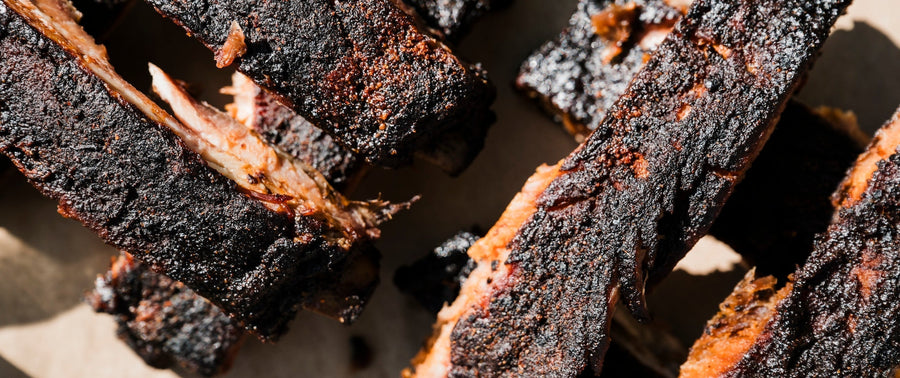
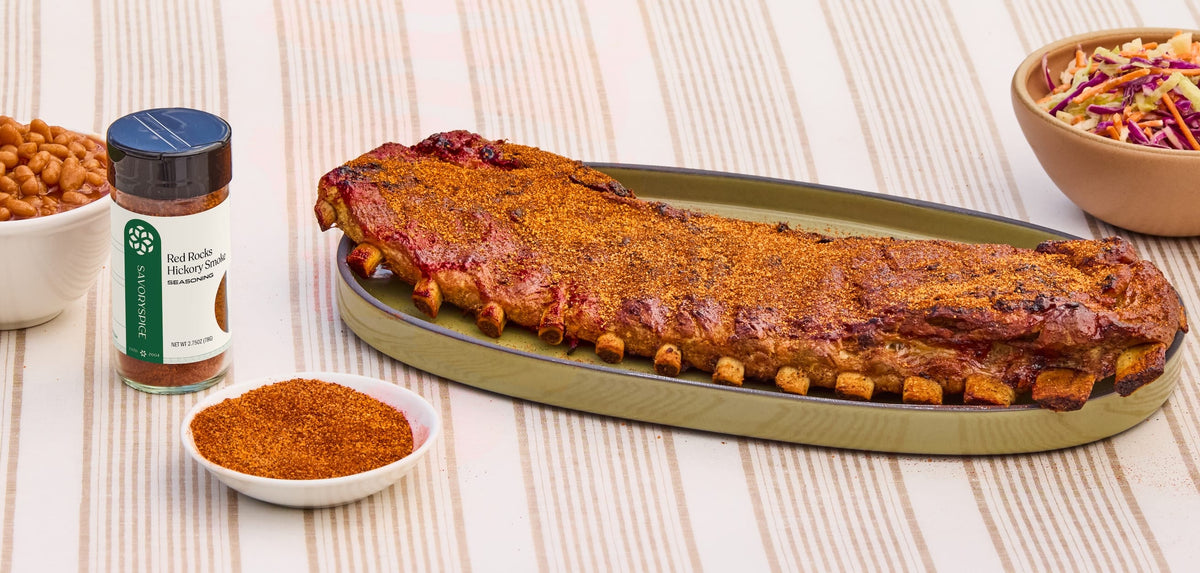
Build a rich, smoky bark while achieving tender, juicy ribs with just the right bite. With expert tips for every stage of the cook...
Best BBQ Rubs for Grilling & Smoking Ribs: Seasonings, Technique & Style

Featured Article

Best BBQ Rubs for Grilling & Smoking Ribs: Seasonings, Technique & Style

Ribs are a commitment. Low and slow, the smell of smoke, the moment you finally pick up the rack and it bends—that's not an accident. It's hours of good decisions that started before the fire was e...

Frequently Asked Questions

What temperature should pork be cooked to?

Chops, tenderloin, and roasts are safe at 145°F followed by a 3-minute rest, and a little pink in the center is fine. Ground pork should reach 160°F. Cuts meant for pulling, like pork shoulder, need to go much further, to about 195–205°F, so the connective tissue breaks down and the meat shreds easily.

What's the best cut for pulled pork?

Pork shoulder, sold as Boston butt or picnic shoulder. Its fat and connective tissue melt during long, slow cooking, which is what makes pulled pork tender and juicy. Leaner cuts like loin and tenderloin dry out before they ever reach that pull-apart stage.

What's the difference between baby back ribs and spare ribs?

Baby back ribs come from the top of the rib cage near the backbone. They're smaller, leaner, and more tender, and they cook faster. Spare ribs come from the lower belly side, so they're bigger, meatier, and fattier, and they need more time. St. Louis-style ribs are spare ribs trimmed into a neat rectangle, and the trimmings are the rib tips used in recipes like Memphis-Style Smoked Rib Tips.

Should I remove the membrane from ribs?

Yes. The thin, papery membrane on the bone side of the rack keeps rub from soaking in and turns tough and chewy as it cooks. Slide a butter knife under it at one end to loosen a corner, then grip it with a paper towel and peel it off in one piece.

What's the difference between wet and dry ribs?

It's a Memphis tradition. Dry ribs are seasoned with a rub only, often with an extra dusting right before serving, so the spices form the crust. Wet ribs get mopped or glazed with sauce near the end of cooking. Both start with a good rub, so it's worth choosing one that fits the style you're after. For ideas, see Best BBQ Rubs for Grilling & Smoking Ribs.

Can I cook ribs in the oven?

Yes. Season the ribs, wrap them tightly in foil, and bake at 275 to 300°F until tender, about 2½ hours for baby backs and up to 3½ hours for spare ribs. Then unwrap, brush on sauce if you like, and finish under the broiler or on a hot grill for a few minutes to set the glaze.

How do I keep pork chops from drying out?

Choose thicker chops, ideally bone-in, and salt them at least 40 minutes ahead or the night before so they hold on to moisture. Cook over medium-high heat, pull them at 145°F, and let them rest a few minutes before slicing. Overcooking is the most common cause of dry pork chops.

What's the difference between pork loin and pork tenderloin?

Tenderloin is a small, lean, quick-cooking cut, usually 1 to 1½ pounds, that roasts or grills in about 20 to 30 minutes. Pork loin is a larger, wider roast, often with a fat cap, and takes considerably longer. They aren't interchangeable in a recipe without adjusting the cooking time.

How do I glaze a ham?

Most store-bought hams are already fully cooked (check the label), so you're really reheating. Bake it covered at around 325°F until the center reaches 140°F, then uncover and brush on the glaze during the last 15 to 20 minutes so it caramelizes without burning.