Featured Recipes
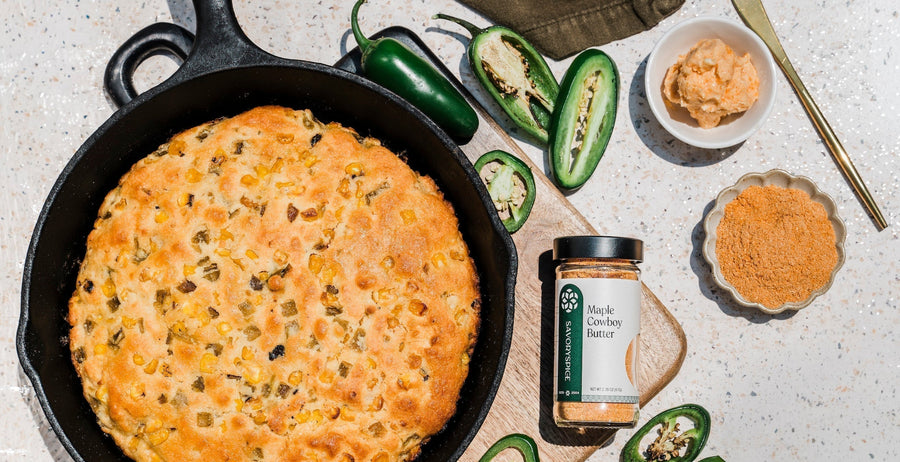
Maple Cowboy Cornbread
This isn't your everyday skillet cornbread. Buttermilk keeps the crumb tender and moist, while smoky, maple-flavored Maple Cowboy Butter...
Featured Recipes
This isn't your everyday skillet cornbread. Buttermilk keeps the crumb tender and moist, while smoky, maple-flavored Maple Cowboy Butter...

Featured Article
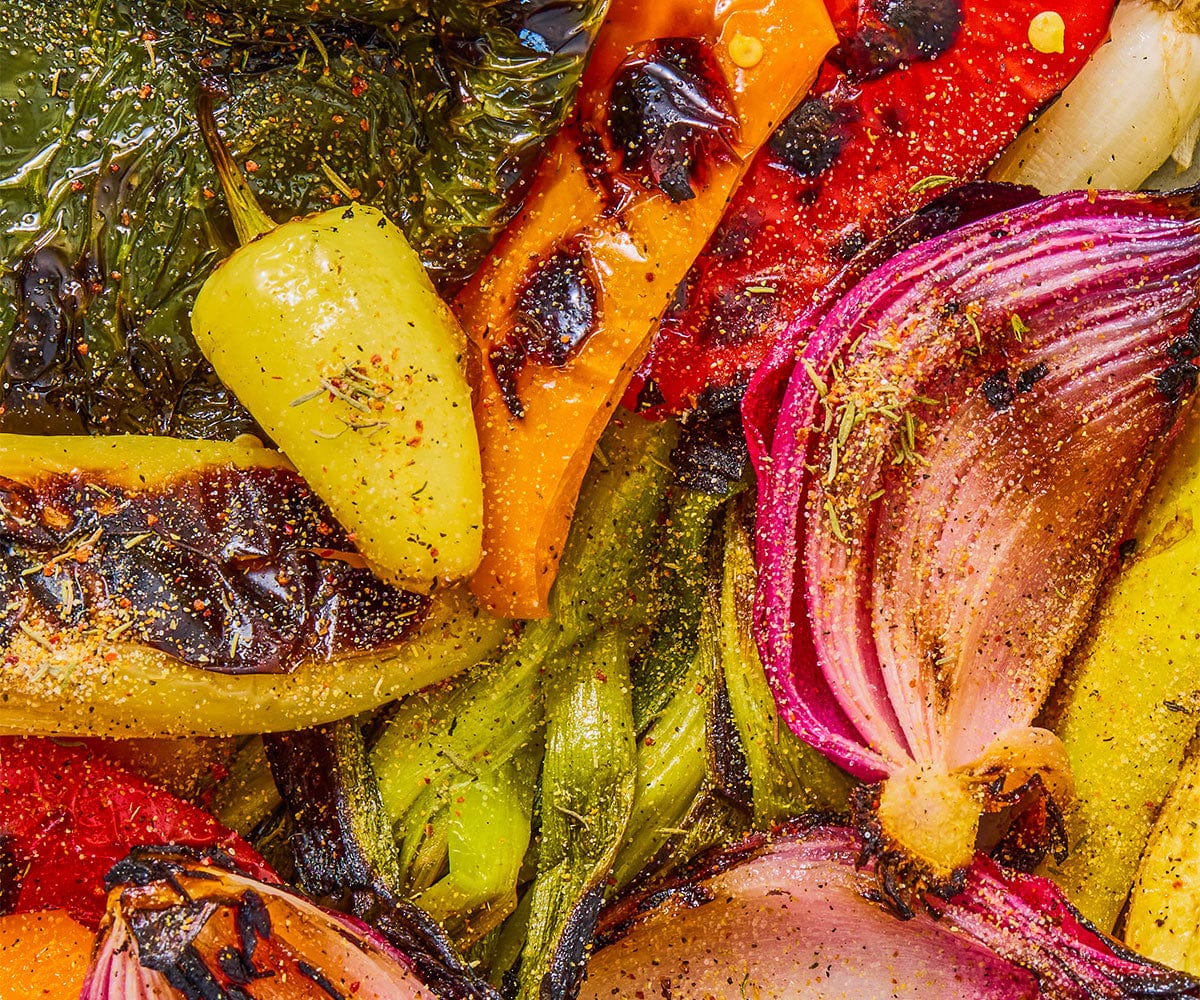
Vegetables are the most underrated thing you can put on a grill. Meat gets the attention, but high, dry heat does something to a summer vegetable that no other method matches: it drives off water, ...
Use high heat, around 425 to 450°F, and make sure the vegetables are dry before tossing them with oil and seasoning. Spread them in a single layer with space between pieces; crowded pans steam instead of roast. Flip once halfway through, and add delicate herbs or citrus after they come out of the oven.
Use starchy potatoes like Yukon Golds or russets, and start them in cold, salted water so they cook evenly. Drain well, mash by hand or with a ricer rather than a blender or food processor, and fold in warm butter and milk or cream. Overworking the potatoes releases starch and makes them gummy.
Cabbage releases water as it sits in dressing, so for the crunchiest slaw, dress it shortly before serving. To make it ahead, toss the shredded cabbage with a little salt, let it sit for about an hour, then squeeze out the liquid before dressing. Vinegar-based slaws also hold up longer than creamy ones.
Casseroles, gratins, and stuffing can usually be assembled a day ahead, refrigerated, and baked before serving. Mashed and whipped potatoes reheat well with an extra splash of cream or butter. Dressings and sauces keep for several days. Roasted vegetables taste best fresh, but you can wash and cut them a day early to save time.