Vegetables are the most underrated thing you can put on a grill.
Meat gets the attention, but high, dry heat does something to a summer vegetable that no other method matches: it drives off water, concentrates sugars, and lays down char that reads as deeply savory rather than merely cooked.
The catch is that vegetables carry no fat and build no fond, so nothing is quietly adding flavor in the background the way it does with a steak. Whatever you season them with is what they will taste like. That makes the spice choice the whole game, and it is why the right blend for zucchini is not the right blend for mushrooms.
So here is the prep and the timing first, then a vegetable-by-vegetable guide to what we actually reach for, with the recipes that put each one to work.
How Do You Prep Vegetables for the Grill?
Nearly every grilled vegetable failure traces back to prep, not cooking. Three things solve most of it.
Cut for the grate, not for the plate. Anything that can fall through the bars will. Slice zucchini and squash lengthwise into planks rather than coins. Cut onions into thick rounds or wedges and run a skewer through them so the layers stay put. Quarter bell peppers into flat panels and leave asparagus whole. Small or loose things like green beans, broccoli florets, and mushrooms belong in a grill basket or on heavy-duty foil.
Oil the vegetable, not the grate. Toss cut vegetables in just enough oil to coat. That prevents sticking and gives seasoning something to hold onto. Oil poured on hot grates mostly burns off before it helps.
Par-cook the dense ones. Hard vegetables cannot go from raw to tender in the time their surfaces need to char. Carrots, beets, potatoes, and thick broccoli stems all want a few minutes in boiling water first.
Grill Basket Tip: A grill basket is the best twenty dollars you can spend on vegetables. It lets green beans, mushrooms, broccoli, and chopped mixes cook over direct heat with real char and no casualties. Heavy-duty foil with the edges folded up works nearly as well if you punch a few holes to let smoke through.
How Long Do You Grill Each Vegetable?
Times assume a preheated, well-oiled grill at medium-high heat and vegetables cut as described above. Turn everything at least once, and pull vegetables when they are tender with visible char rather than when a timer says so, since thickness changes everything.
Corn is its own project with three legitimate methods, so it has a guide of its own: how to grill corn on the cob, husk on, husk off, or par-boiled first.
Timing Tip: Vegetables do not finish together, so stop trying to make them. Start the dense ones first (onions, par-boiled carrots and potatoes), add the medium ones a few minutes later (zucchini, squash, asparagus, mushrooms), and throw delicate things like romaine on at the very end. A platter built in waves beats everything hitting the grate at once and half of it burning.
Three Rules for Seasoning Grilled Vegetables
Before the specifics, three principles that apply to everything below.
Salt more than feels natural. Salt seasons past the surface, draws out water so vegetables brown instead of steam, and counteracts the slight bitterness in eggplant and broccoli. Whatever amount seems right, add a bit more. A generously salted grilled zucchini tastes like a side dish. An under-salted one tastes like a diet.
On watery vegetables, season and then wait. Zucchini, squash, and eggplant are mostly water, and water is what prevents char. Season them, then let them sit ten minutes on a paper towel. The salt pulls moisture to the surface, the towel takes it away, and the slices turn pliable and ready to brown. Same principle as salting tomatoes before they go on a sandwich.
Dry seasoning early, anything sweet at the end. Rubs and salt go on before the vegetables hit heat. Barbecue sauce, honey glaze, or a sugar-based blend waits until the final minute or two, because sugar scorches long before a vegetable is tender.
Season Twice Tip: Season once before the vegetables go on, so the salt has time to work, and again the second they come off, while the surface is hot and slightly oily and will grab a finishing pinch. That second round is the difference between vegetables that taste seasoned through and vegetables that just taste cooked.
Can You Grill Everything at Once?
Yes, and there are three good ways. For a full spread, our Moroccan Grilled Vegetable Platter is less a recipe than a system: pick from eggplant, red bell peppers, tomatoes, carrots, yellow squash, zucchini, sweet onions, asparagus, and string beans, brush everything with a glaze of melted butter and Tan-Tan Moroccan Seasoning, grill five to ten minutes depending on the vegetable, then pile it up and drizzle the rest of the glaze over the top. It serves six to eight, and one glaze on everything is what makes a mixed platter taste composed instead of scattered.
For dinner with no cleanup, our Family Foil Dinners divides sliced sausage, quartered red potatoes, corn rounds, zucchini, bell pepper, and onion among four sheets of heavy-duty foil, then grills them sealed for fifteen to twenty minutes with the lid closed, turning every five. Everything roasts and steams in its own packet and there is nothing to wash. For a plant-based version, Vegan Sausage Foil Dinner follows the same method with vegan sausage and tater tots.
Sealed packets concentrate whatever you put in them, so the blend matters more than usual. Longs Peak Pork Chop Spice is what to reach for when there is sausage or pork in the packet, with a sweet, herby profile that carries into the potatoes. And Black Dust Coffee & Spice Barbecue Sauce is the dark, roasty option for anything that wants a sauce at the end.
And to turn a pile of grilled vegetables into a full meal, Grilled Veggie BBQ Pizza is the most fun thing here. Portobello, three colors of bell pepper, red onion, zucchini, and yellow squash get grilled two to three minutes per side, then the dough goes straight on the grate, gets flipped, and the cooked side takes barbecue sauce, the vegetables, cheese, and artichoke hearts before the lid closes to melt it all.
Grilled Veggie BBQ Pizza
Recipe by Savory Spice Test Kitchen
Is it possible to make pizza even better? Add barbecue sauce, a little char, and some smoky flavor and the answer is...
Zucchini is mild, watery, and slightly sweet, so it wants a bright, herbal, lemony blend rather than anything heavy or smoky. Smoke tends to bury it.
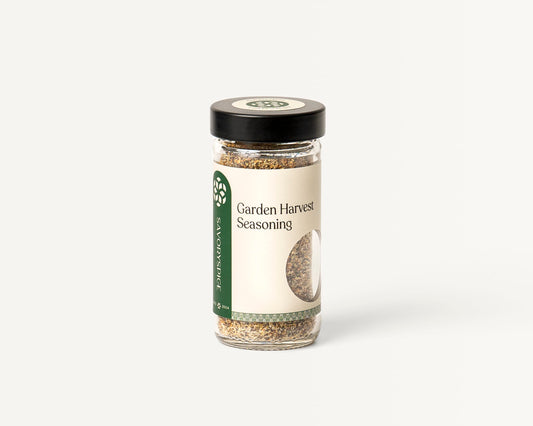
Garden Harvest Seasoning is our first choice and was built for vegetables specifically, with lemony garlic, onion, and thyme that cut through zucchini's blandness without overwhelming it. Capitol Hill Seasoning is the other pick, sea salt and cracked pepper with onion and herbs, so it salts and seasons in one step, which matters here because zucchini needs a lot of salt.
Both go to work in our Garden Harvest Grilled Summer Squash with Burrata recipe. Squash gets sliced into thin lengthwise ribbons, seasoned, and rested so it releases its water and turns pliable, then threaded onto skewers and grilled three to four minutes per side. It comes off draped and charred, gets piled onto a platter with torn burrata and roasted pepitas, and finishes with one more shake of seasoning. Any long summer squash works, including striped zucchini, straightneck yellow, or tatuma.
Garden Harvest Grilled Summer Squash with Burrata
Recipe by Savory Spice Test Kitchen
Put your summer squash haul to work. Grill on skewers until tender and top with creamy burrata for a side dish that...
What Is the Best Seasoning for Grilled Bell Peppers?
Peppers turn noticeably sweeter and silkier over fire as their sugars caramelize and their skins blister, so they want savory depth or a little heat pushing back rather than anything sweet. Black Garlic Salt is our favorite here, one of our best sellers, deeply savory with a mellow black garlic umami that makes a charred pepper taste almost meaty. For heat, Crushed Red Pepper Flakes added right at the end gives a clean, bright burn that suits peppers better than a heavy chile powder would.
Onions are the sleeper pick of the whole grill. Fire turns their raw sharpness into deep caramel sweetness, and they are cheap enough that you should always make more than you need. The trick is structural: cut them into thick rounds or wedges, then run a skewer horizontally through each one so the rings cannot separate and fall through the grate. They need longer than most vegetables, eight to twelve minutes, so start them early.
Because grilling already makes them sweet, onions want savory and toasty rather than more sugar. Mt. Hood Toasted Onion Rub is the obvious and genuinely best answer, doubling the roasted-onion flavor rather than fighting it. Mt. Elbert All-Purpose Seasoning is the versatile choice if the onions are headed for burgers, sandwiches, or a mixed platter.
You can, and it is one of the most surprising things on this list. Cut a head into quarters or thick wedges with the core left intact so the leaves hold together, brush the cut faces with oil, and grill them two to three minutes per side. The outer leaves char and crisp while the inside stays crunchy and turns sweet. It holds its shape far better than you would expect.
Cabbage takes smoke and heat beautifully, and it needs them, since char plus sweetness alone is one-dimensional. Chipotle Chile Powder (Morita) is the ideal partner, with smoke and moderate heat that reinforce what the grill is already doing. Black River Creole takes it somewhere spicier and more Southern, which suits cabbage's cabbage-ness.
Grilled Confetti Slaw is the best argument for the whole idea. Quartered red and green cabbage and mini sweet peppers char for two to three minutes per side, then get sliced thin and tossed with shredded carrot, scallion, and cilantro in a cumin, coriander, and chipotle vinaigrette. An hour in the refrigerator and you have a smoky coleslaw that holds up on a table all afternoon.
Asparagus is the easiest vegetable on the grill and needs the least done to it. Leave the spears whole, trim the woody ends, toss with oil, and lay them perpendicular to the grates so they do not fall through. Five to eight minutes over medium-high heat is plenty, and thinner spears go faster. It has enough of its own grassy, mineral flavor that heavy rubs work against it.
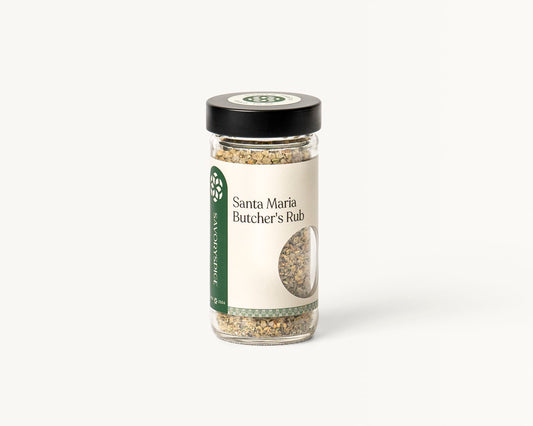
Keep the seasoning simple and savory. Pikes Peak Butcher's Rub is our pick because it is salt-free and herb-forward, so you control the salt yourself, which matters on something that cooks in five minutes and can go from seasoned to over-salted fast. Santa Maria Butcher's Rub is the move when there is steak on the grill too, with a garlicky, peppery California barbecue profile that ties the plate together.
Green beans are made for a grill basket. Trim them, toss with oil and seasoning, spread them in a basket, and char for five to ten minutes, turning every few minutes. They come off blistered and smoky in spots but still with snap, which is exactly the contrast that makes them disappear off a table faster than any other vegetable side.
They can take more assertive seasoning than most green vegetables. Red Rocks Hickory Smoke Seasoning doubles down on the char and makes them taste like they came off a smoker. Jamaican Jerk Seasoning is the bolder option, with real scotch bonnet heat and warm allspice that turn a simple side into the most interesting thing on the plate.
Our Grilled Green Beans recipe is about as simple as cooking gets, and it lets you pick from either of those or from Pikes Peak and Santa Maria. One pound of beans, olive oil, a tablespoon of seasoning, and ten minutes.
Raw florets will char on the outside and stay tough in the stem, so blanch them for two to three minutes in boiling water, shock them in ice water, and dry them thoroughly before they go anywhere near heat. Then five to eight minutes in a grill basket gets you crisp, nutty, slightly blackened edges that are genuinely better than roasted.
Broccoli has a faint bitterness that salt and garlic counteract, so lean on the same brightness that works for zucchini. Garden Harvest Seasoning is excellent here, and Black Garlic Salt is even better if you want the char to read savory rather than green. A squeeze of lemon at the end does more than any additional spice would.
What Is the Best Seasoning for Grilled Mushrooms?
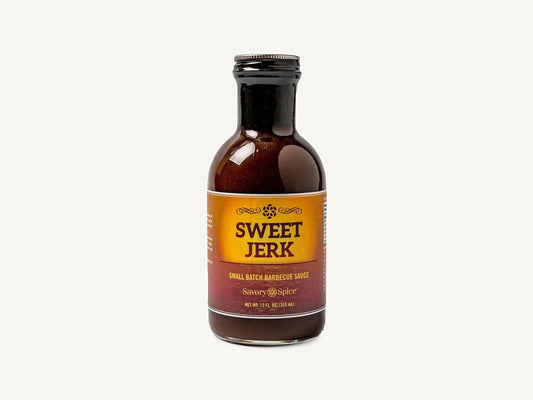
Mushrooms are already savory and meaty, so the goal is amplifying that rather than adding brightness. Smoke and umami are the right levers, and because mushrooms hold marinade like a sponge, a sauce works as well as a rub. Midwestern Sweet Barbecue Sauce is thick and tomato-forward and mushrooms drink it up. Sweet Jerk Barbecue Sauce takes them somewhere tropical and gently spicy instead.
That first sauce is the base of our recipe for Midwestern Sweet Portobello Burgers, which marinates portobello caps in barbecue sauce, red wine vinegar, oil, and garlic for anywhere from thirty minutes to overnight, then cooks them until they flatten and turn juicy. The recipe uses a skillet, but the caps grill beautifully over medium-high heat for three to four minutes per side, and the grill adds char a pan cannot. Just remember the sugar rule and brush extra sauce on at the end.
Midwestern Sweet Portobello Burgers
Recipe by Ashlee Redger, Savory Spice Test Kitchen
Super flavorful marinated mushrooms, served burger-style.
How Do You Grill Eggplant Without It Turning Bitter?
Eggplant is the vegetable most people give up on, and the fix is salt plus time. Slice it into inch-thick rounds or planks, salt both sides generously, and lay the slices on a rack or paper towels for thirty to forty-five minutes. Beads of liquid will come to the surface, and that liquid is carrying the bitterness with it. Pat the slices completely dry before they go anywhere near heat. The salt has also collapsed the spongy structure, so the eggplant grills creamy rather than squeaky, and it browns instead of steaming.
This is the same principle as the watery-vegetable rule above, just with a longer wait, because eggplant holds more water than anything else on the grill. Skip it and you get a bitter, rubbery slice. Do it and eggplant becomes the most transformed vegetable of the whole cookout.
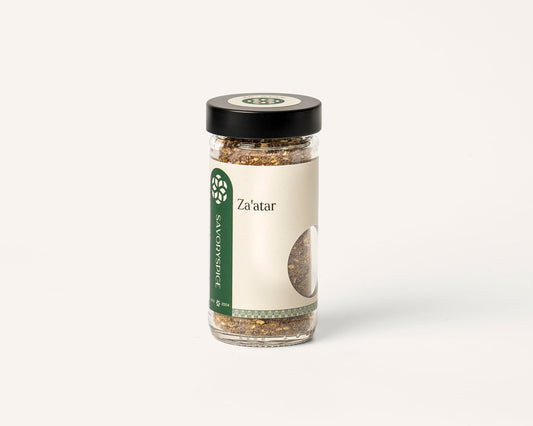
Once it is salted and dry, eggplant wants the flavors of its home turf. Za'atar is our favorite thing to put on it, blending sumac and toasted sesame with thyme, marjoram, and oregano, and that tart sumac cuts the richness that grilled eggplant develops. Crushed Urfa Chiles are the other pick, smoky and raisin-sweet with a slow, mild heat that reinforces the char rather than competing with it.
For a way to make eggplant the main event, Eggplant Crunch-Burgers with Dijon Dill Sauce is the best thing we make with it. Cubed eggplant gets cooked down until very soft, mashed, then mixed with shallots, mozzarella, Parmesan, Santa Maria Butcher's Rub, and panko and formed into patties. They chill thirty minutes to firm up, then cook four to five minutes per side. The finish is what sells it: a Dijon dill spread, fresh dill on the bun, and salt and vinegar potato chips tucked inside for crunch.
Eggplant Crunch-Burgers with Dijon Dill Sauce
Recipe by Savory Spice Test Kitchen
Taster feedback on this recipe ranges from, “It’s so good I didn’t realize it was a veggie burger,” to “This is the...
The recipe uses a skillet, but the patties work on a grill too. Chill them the full thirty minutes so they hold together, cook them on a well-oiled grill grate or a griddle plate over medium heat, and handle them gently on the flip. The grill adds a smokiness the pan cannot, which suits eggplant especially well.
How Do You Grill Beets?
Beets cannot go on raw. Slice them and par-boil for ten to fifteen minutes until just tender, then grill them for color and smoke rather than for cooking. Done this way they pick up char without turning leathery, and grilling adds a savory edge that roasting alone never quite gets.
Beets are the sweetest thing you can put on a grill, so they want earthy warmth to balance them rather than more sweetness. Ground Cumin Seeds is the classic pairing for exactly that reason. Coarse Black Malabar Pepper gives a coarse, fruity bite that stands up to all that sugar.
Our recipe for a Grilled Beet Salad uses both: par-boiled beets get grilled, then tossed with preserved lemon, cumin, cracked pepper, and rice wine vinegar before resting an hour and going over greens with crumbled feta.
Carrots are worth the extra step. Halve them lengthwise, par-boil five to seven minutes so they are tender but not soft, then grill five to eight minutes until they take on stripes. Fire concentrates their sugar dramatically, and a grilled carrot tastes about twice as sweet as a roasted one.
That sweetness is exactly why they suit warm, aromatic spice rather than smoke. Tan-Tan Moroccan Seasoning is the best thing we make for carrots, with cumin, coriander, and warm spice that turn them into something closer to a tagine side. Ground Coriander Seeds on its own is the simpler play, citrusy and faintly sweet, and it brightens carrots without competing with them.
The short version: cut them big enough not to fall through, oil them, salt them before and after, par-boil anything dense, and pull them when they are charred and tender rather than when the clock says to. Then match the blend to the vegetable. Bright and lemony for zucchini, savory umami for peppers and mushrooms, toasty for onions, smoke and heat for cabbage, simple and salt-free for asparagus, and warm earthy spice for beets and carrots.
Late summer is the moment to lean on all of it. Zucchini and squash are relentless right now, peppers and onions are cheap, and the beans and eggplant are as good as they will get all year. Fire up the grill for a full platter rather than a side dish, and make more than you need. Grilled vegetables are better cold the next day than almost anything else, folded into grain bowls, piled on sandwiches, or chopped into a salad.
And when the grill finally goes quiet, none of these blends stop working. Garden Harvest and Capitol Hill move indoors onto roasted vegetables all winter, Tan-Tan turns into a tagine, and smoke tastes even better in December than it does in August. Use them until the jars are empty, then refill. Spices are meant to be used up.