Home | Recipes

Collection: Smoker Recipes

Low heat, hardwood smoke, and a few patient hours turn brisket, ribs, and pork shoulder into the kind of barbecue people plan their weekends around. These smoked meat recipes cover...
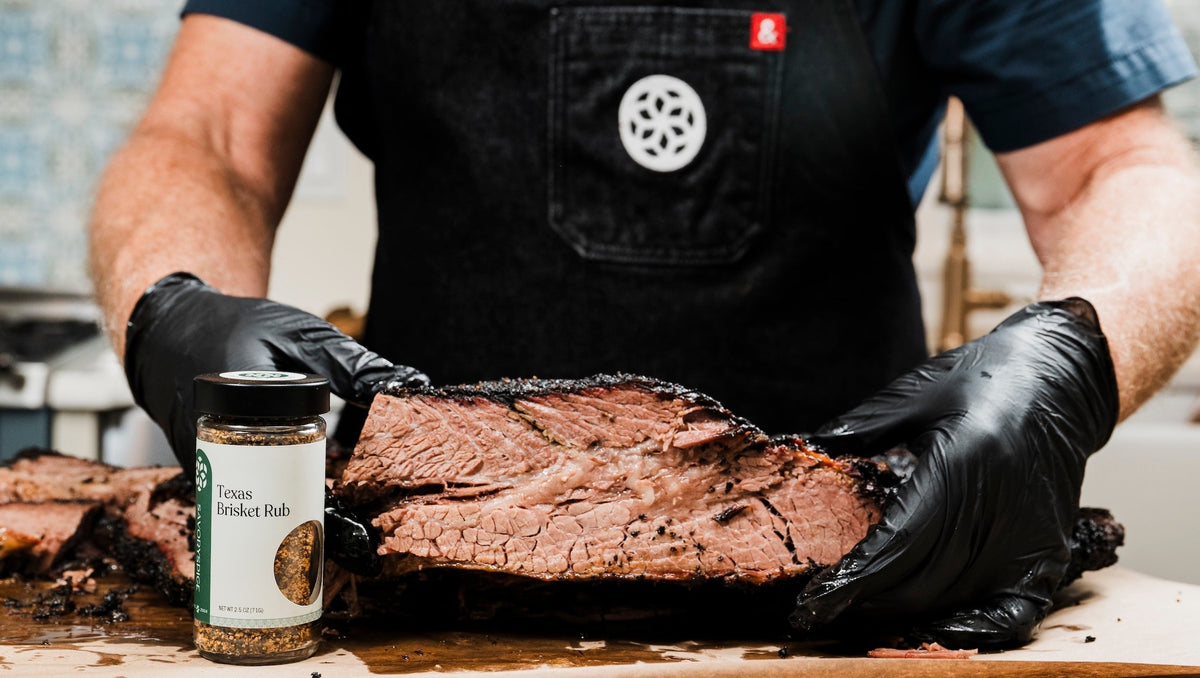
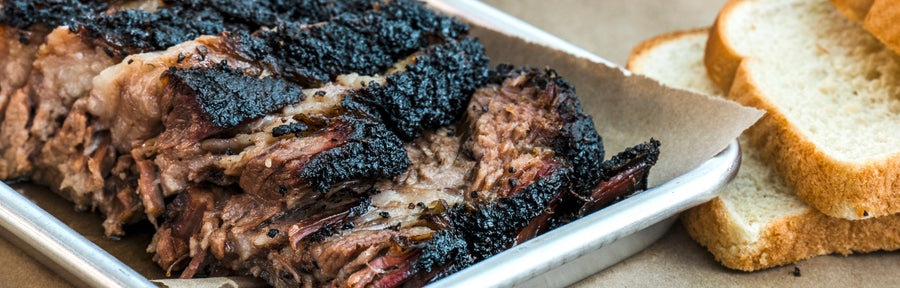
Smoked Texas Brisket

Featured Recipes

Smoked Texas Brisket

Products Cue Glue Texas Brisket Rub Extra Coarse Black Malabar Pepper +1

Texas brisket is practically a thing of legend. When done right, using a salt and pepper-based seasoning...

Smoked Mutton Shoulder

View Recipe for Smoked Mutton Shoulder

Outside Brown Pork Shoulder

View Recipe for Outside Brown Pork Shoulder

Carolina Whole Hog BBQ

View Recipe for Carolina Whole Hog BBQ

Smoked Chicken

View Recipe for Smoked Chicken

Big Bad Beef Ribs

View Recipe for Big Bad Beef Ribs
The Savory Spice Journal: The Art of Smoked Brisket

Featured Article

The Savory Spice Journal: The Art of Smoked Brisket

Back in 2015, I wanted to see how the best in the business were using spices in the real world…specifically, barbecue pitmasters across the country who have built their reputation on doing one thin...

Frequently Asked Questions

What wood should I use for smoking?

Match the wood to the meat. Fruitwoods like apple and cherry are mild and sweet, great for poultry and pork. Hickory and pecan are stronger and classic with pork ribs and shoulder. Oak is the go-to for brisket and beef ribs. Mesquite is the most intense, so use it sparingly or for shorter cooks.

What temperature should I run my smoker at?

Most recipes here smoke between 225 and 275°F, low enough to break down brisket and pork shoulder without drying them out. Poultry can go hotter, around 275 to 325°F, which helps render fat and crisp the skin. A thermometer that tracks both the smoker and the meat takes the guesswork out.

Do I need to soak wood chips?

No. Soaked wood mostly steams until the water cooks off, which delays clean smoke and can cool the fire. Dry chunks on charcoal or dry chips in a smoker box work well. Add wood early in the cook, when the meat takes on smoke flavor most readily.

What is the stall, and how do I get past it?

Large cuts like brisket and pork shoulder often stop rising around 150 to 170°F, sometimes for hours, as evaporating moisture cools the surface. You can wait it out, or wrap the meat tightly in butcher paper or foil to push through faster. Either way, cook to temperature, not time.

What is the 3-2-1 method for ribs?

It's three stages: 3 hours of smoke unwrapped, 2 hours wrapped in foil with a little liquid to tenderize, then 1 hour unwrapped to firm up the bark and set any sauce. Several of our rib recipes use it, finishing in the oven and on the grill. Smaller baby back ribs often do better with a shorter 2-2-1.

How long does it take to smoke a brisket?

Plan on roughly 1 to 1½ hours per pound at 225 to 250°F, plus at least an hour to rest, but treat that as an estimate. Brisket is done at about 200 to 205°F, when a probe slides in with almost no resistance. For a deeper dive, read The Art of Smoked Brisket.

Can I make these recipes on a pellet grill?

Yes. Set the pellet grill to the temperature the recipe calls for, and it will hold it steadily for long cooks. Pellet grills make the most smoke at lower temperatures, so starting low for the first hour or two, or adding a smoke tube, gives you deeper smoke flavor. You can then turn up the heat at the end to crisp skin or firm up bark.