Featured Recipes
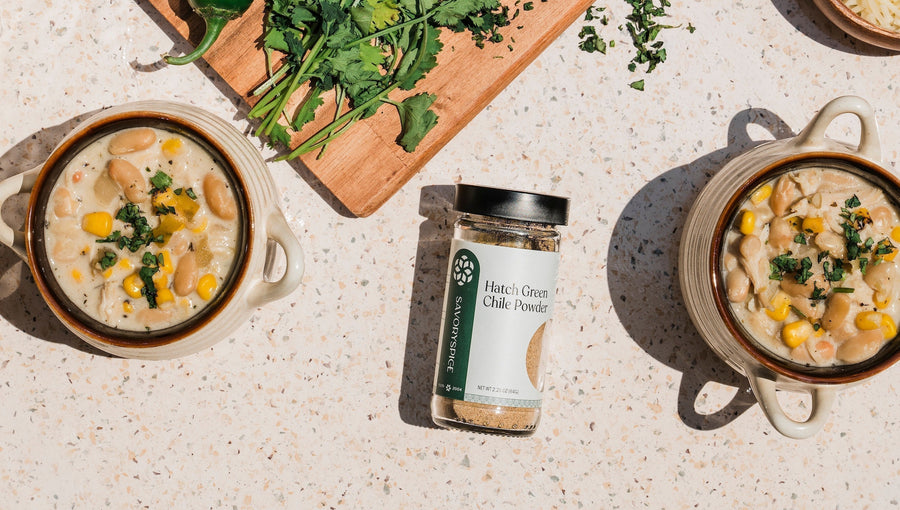
Hatch White Chicken Chili
Made fast with rotisserie chicken, green chiles, fire-roasted corn, and white beans for a hearty chili (that doesn't skimp on flavor) you...

Featured Recipes
Made fast with rotisserie chicken, green chiles, fire-roasted corn, and white beans for a hearty chili (that doesn't skimp on flavor) you...

Featured Article
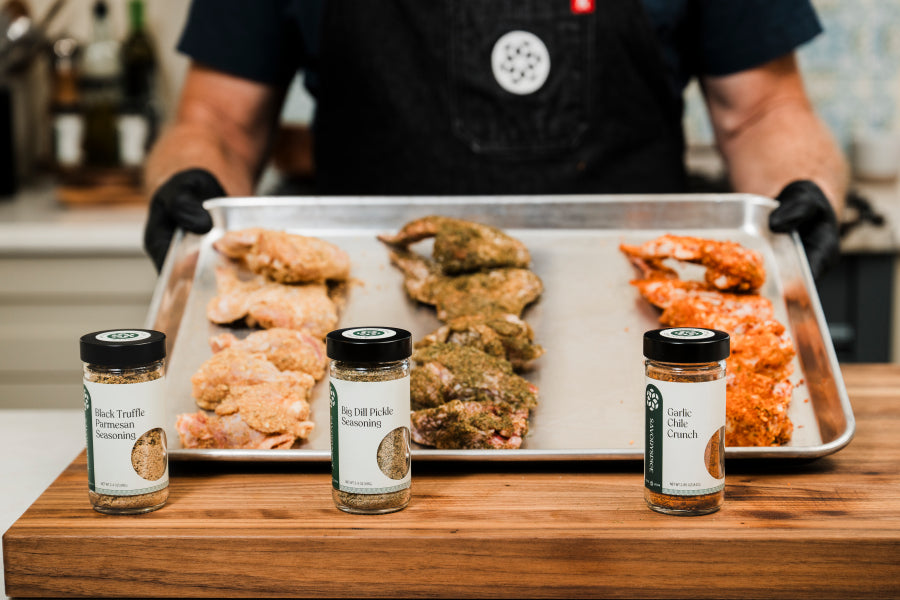
The best chicken wings start with seasoning that sticks, a technique that builds crispy skin, and a flavor that earns repeat requests. Whether you're grilling, smoking, air frying, or deep frying, ...
Cook all chicken and poultry, including ground poultry, to 165°F, measured in the thickest part without touching bone. Breasts are best pulled right at 165°F so they stay juicy. Thighs and drumsticks are safe at 165°F too, but many cooks take them to 175°F or higher, where the connective tissue softens and the meat turns more tender.
Start with dry skin. Pat the chicken dry, salt it, and let it rest uncovered in the fridge for a few hours or overnight. For wings, a light toss in baking powder (not baking soda) along with the salt helps the skin blister and crisp. Then cook on a rack over high heat so the fat can render and drip away.
Both work, and many of our wing recipes use the two together. A dry rub goes on before cooking and gives the crispiest skin. Sauces and glazes go on at the end: toss hot wings in warm sauce right before serving, or brush on a sticky glaze during the last few minutes of cooking so the sugar caramelizes without burning.
In a 425°F oven, plan on about 40 to 50 minutes, flipping halfway. An air fryer at 380 to 400°F takes about 20 to 25 minutes, and a grill over medium indirect heat takes about 30 to 40 minutes. Wings are safe at 165°F, but they turn more tender, with better-rendered skin, at 175°F or higher, so don't pull them early.
Brining helps poultry stay juicy, especially lean chicken breasts and whole birds like turkey. A wet brine soaks the meat in salted water, while a dry brine is simply salt or a salt-based blend rubbed on ahead of time and left to rest in the fridge, from a few hours for chicken pieces to 1 to 3 days for a whole turkey. Dry brining is easier and gives crispier skin. If your seasoning already contains salt, skip adding extra. For a side-by-side comparison, see Turkey Time: Liquid Brine vs. Dry Brine.
Roasted at 325°F, an unstuffed 12- to 14-pound turkey takes about 3 to 3¾ hours, and a 20- to 24-pound bird about 4½ to 5 hours. Spatchcocking cuts that time significantly, while smoking at 225 to 250°F takes roughly 30 minutes per pound. Go by temperature, not time: it's done at 165°F in the thickest part of the breast and the innermost part of the thigh. Our guide, How to Make the Perfect Roast Turkey, walks through it step by step.
In the refrigerator, allow about 24 hours for every 4 to 5 pounds, so a 15-pound turkey needs 3 to 4 days. If you're short on time, submerge it in its wrapper in cold water and change the water every 30 minutes; that takes about 30 minutes per pound. Never thaw a turkey on the counter.
Usually, yes. Boneless thighs are more forgiving and stay juicy even when cooked a little longer, so they're an easy swap in curries, tacos, and sheet pan dinners. If you're using breasts instead of thighs, watch the time closely and pull them at 165°F. Pounding breasts to an even thickness helps them cook evenly.
For marinades with citrus juice or vinegar, 30 minutes to a few hours is plenty; longer can make the texture mushy. Yogurt- and oil-based marinades and dry rubs can go overnight. Always marinate in the refrigerator, and don't reuse marinade that touched raw chicken unless you bring it to a boil first.