Home | Recipes

Collection: Soup & Chili Recipes

A big batch of soup or chili can feed a crowd, stock the freezer, or make a Tuesday feel like the weekend. Find award-winning chili and white chicken chili, classic...
Award-Winning Chili

Featured Recipes

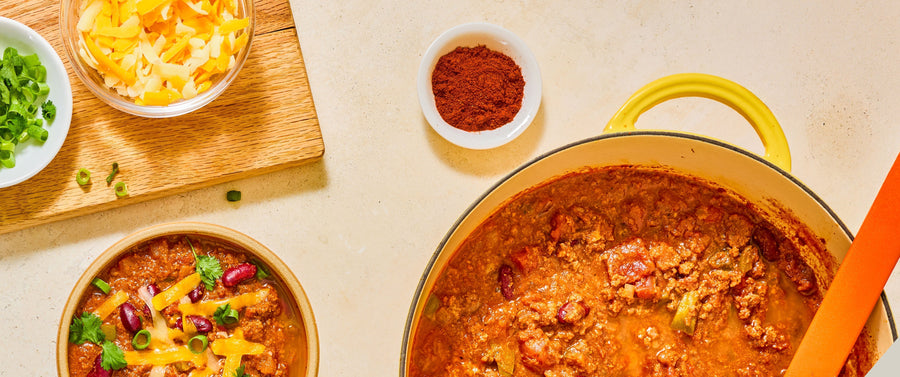
Award-Winning Chili

Products Kosher Salt Roasted Granulated Garlic Granulated Toasted Onion +1

Win first place with this Award-Winning Chili recipe featuring 7 bold spices and our top-rated Mild Chili Powder....

Zanzibar Sweet Potato Bisque

View Recipe for Zanzibar Sweet Potato Bisque

Hatch White Chicken Chili

View Recipe for Hatch White Chicken Chili

Miso Coconut Corn Chowder

View Recipe for Miso Coconut Corn Chowder

Pho-Spiced French Onion Soup

View Recipe for Pho-Spiced French Onion Soup

Classic Vegetable Soup with Summit County

View Recipe for Classic Vegetable Soup with Summit County

Classic Chicken Noodle Soup with Poultry Seasoning

View Recipe for Classic Chicken Noodle Soup with Poultry Seasoning

Vegan Corn & Mushroom Chowder

View Recipe for Vegan Corn & Mushroom Chowder
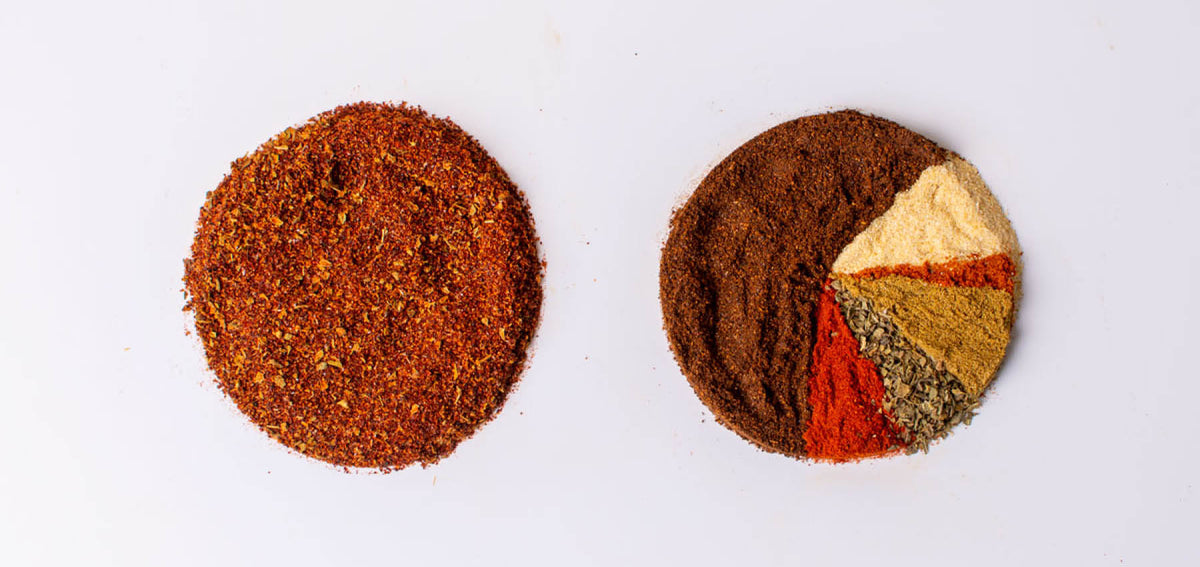
Circle of Chili Powder on left. Pie chart of chili powder ingredients on right.

Featured Article

Behind the Seasoning: Chili Powder

Chili powder does more than make chili. Explore the full lineup, from mild and ancho to earthy Hatch green, with cook-off-winning recipes and everything you need to know about the blend.

Frequently Asked Questions

What's the difference between soup, stew, and chili?

It mostly comes down to how much liquid there is. Soup is the brothiest, made to be eaten with a spoon. Stew has less liquid and bigger pieces, simmered slowly until everything is tender. Chili is a stew built around chiles and chili powder, usually with ground or cubed meat, beans, or both.

How do I thicken soup or chili?

Let it simmer uncovered for 15 to 30 minutes to reduce, or mash some of the beans or potatoes right in the pot. For chili, a tablespoon or two of masa harina stirred in near the end thickens it and adds a subtle corn flavor. For brothy soups, a cornstarch slurry works well: 1 tablespoon cornstarch whisked into 2 tablespoons cold water.

When should I add spices to soup or chili?

Add ground spices and chili powder early, stirring them into the hot oil with your onions and garlic for about a minute before adding liquid. That quick bloom brings out their flavor. Add dried herbs with the liquid, and save fresh herbs, citrus, and a final pinch of salt for the end, since flavors concentrate as the pot simmers.

Why does chili taste better the next day?

As it rests, the spices keep softening and blending with the meat, beans, and broth, and the texture thickens slightly. If you can, make chili a day ahead: cool it quickly, refrigerate it overnight, and reheat it gently before serving.

How long does homemade soup keep?

Soup, stew, and chili keep for 3 to 4 days in the refrigerator in an airtight container, and are best within 2 to 3 months in the freezer. Leave room at the top of the container for expansion. Soups with cream, potatoes, or pasta can change texture when frozen, so add dairy after reheating and cook noodles fresh.

How do I keep noodles from getting soggy in soup?

Cook the noodles separately and add them to each bowl right before serving, instead of simmering them in the pot. That keeps them from soaking up the broth, which matters most for leftovers. It's how pho and khao soi are traditionally served, too.

Can a curry be a soup?

Yes. Brothy curries like Thai coconut curry soup and khao soi start with coconut milk and broth and are eaten from a bowl with a spoon, often over noodles. Thicker, saucier curries like butter chicken and tikka masala are usually served over rice instead. For either style, fry the curry blend in a little oil first to bring out its flavor before adding any liquid.