Featured Recipes
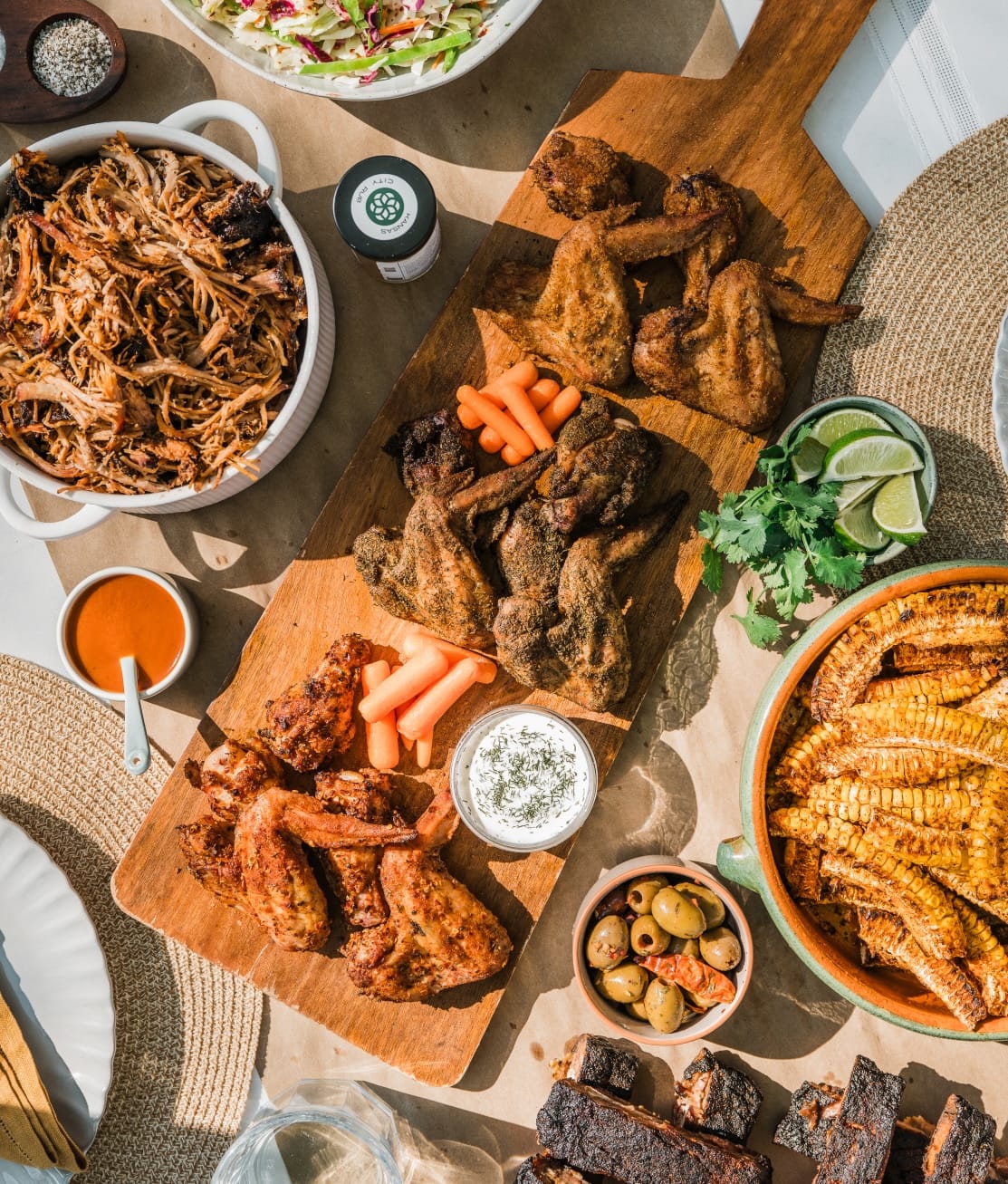
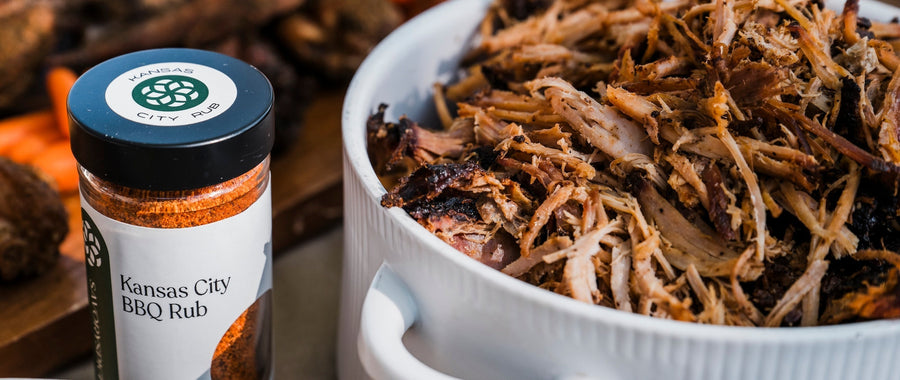
Smoked Pulled Pork
Products
Cue Glue
Kansas City BBQ Rub
Western Carolina BBQ Rub
+1
Pulled pork is a classic American barbecue staple throughout the South and Midwest, traditionally smoked low and slow...

Products
Palisade Peach Spice
Georgia Boys BBQ Rub
Woody’s Peach BBQ Sauce
View Recipe for Woody’s Peach BBQ Sauce
Products
Vindaloo
Freeze Dried Shallots
Medium Chili Powder (Salt-Free)
+1
Vindaloo Burgers with Cucumber Raita and Pickled Onions
View Recipe for Vindaloo Burgers with Cucumber Raita and Pickled Onions
Products
Palisade Peach Spice
Maldon Sea Salt
Grilled Spiced Peaches
View Recipe for Grilled Spiced Peaches
Products
Tan-Tan Moroccan Seasoning
Maldon Sea Salt
Moroccan Lamb Skewers
View Recipe for Moroccan Lamb Skewers
Products
California Citrus Rub (Salt-Free)
Citrus Pepper Seasoning (Salt-Free)
Pyramid Peak Lemon Pepper
+1
Citrus-Marinated Shrimp Skewers
View Recipe for Citrus-Marinated Shrimp Skewers
Products
Hidden Cove Lemon Garlic Blend
Pyramid Peak Lemon Pepper
Ground Ginger
+1
Hidden Cove Grilled Trout
View Recipe for Hidden Cove Grilled Trout
Products
Minced Garlic
Buffalo Wing Seasoning
Buffalo Style Mexican Street Corn
View Recipe for Buffalo Style Mexican Street Corn
Products
Red Thai Curry
Minced Garlic
Black Sesame Seeds
+1
Grilled Thai Beef Salad
View Recipe for Grilled Thai Beef Salad
Products
Vanilla Bean Sugar
Mt. Baker Chai Seasoning
Onion & Garlic Everyday Seasoning
+1
Grilled Chai Pork Chops & Gravy
View Recipe for Grilled Chai Pork Chops & Gravy
Products
Pomegranate Molasses
Great Plains Coffee Rub
Great Plains Coffee Protein Marinade
View Recipe for Great Plains Coffee Protein Marinade
Products
Cuban Island Spice
Mexican Street Corn Seasoning
Juicy Cuban Island Marinade
View Recipe for Juicy Cuban Island Marinade
Products
Salt & Pepper Tableside Seasoning
Chilean Merquen Seasoning
Granulated Garlic
+1