Home | Recipes

Collection: BBQ & Grilling Recipes

Charcoal or gas, backyard or parking lot: these recipes take you from the first warm weekend to the last tailgate and beyond (for the pitmaster who never covers the grill)....
Smoked Pulled Pork

Featured Recipes

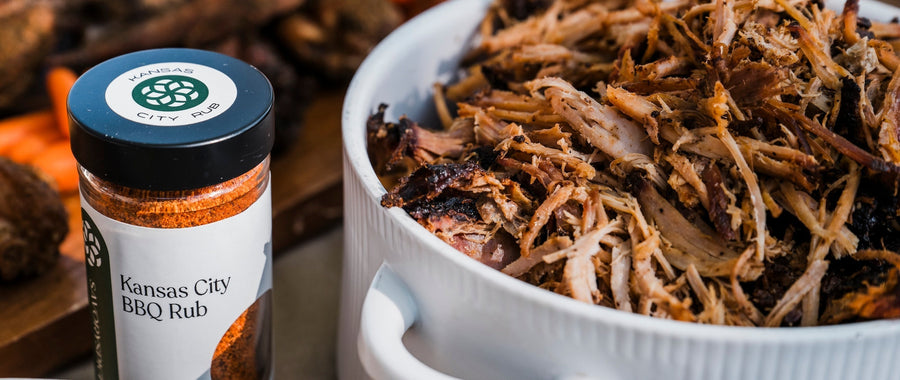
Smoked Pulled Pork

Products Cue Glue Kansas City BBQ Rub Western Carolina BBQ Rub +1

Pulled pork is a classic American barbecue staple throughout the South and Midwest, traditionally smoked low and slow...

Maple Mustard Glaze

View Recipe for Maple Mustard Glaze

Longs Peak White BBQ Sauce

View Recipe for Longs Peak White BBQ Sauce

Caribbean-Style All-Purpose Glaze

View Recipe for Caribbean-Style All-Purpose Glaze

Peanut Butter BBQ Sauce

View Recipe for Peanut Butter BBQ Sauce

Classic Creamy Coleslaw

View Recipe for Classic Creamy Coleslaw

Tandoori-Marinated Grilled Chicken and Sauce

View Recipe for Tandoori-Marinated Grilled Chicken and Sauce

Red Wine Grilled Pork and Apples

View Recipe for Red Wine Grilled Pork and Apples

Peruvian Turkey Burgers

View Recipe for Peruvian Turkey Burgers
Game Day Recipes & Tailgate Food Ideas to Have Ready by Kickoff

Featured Article

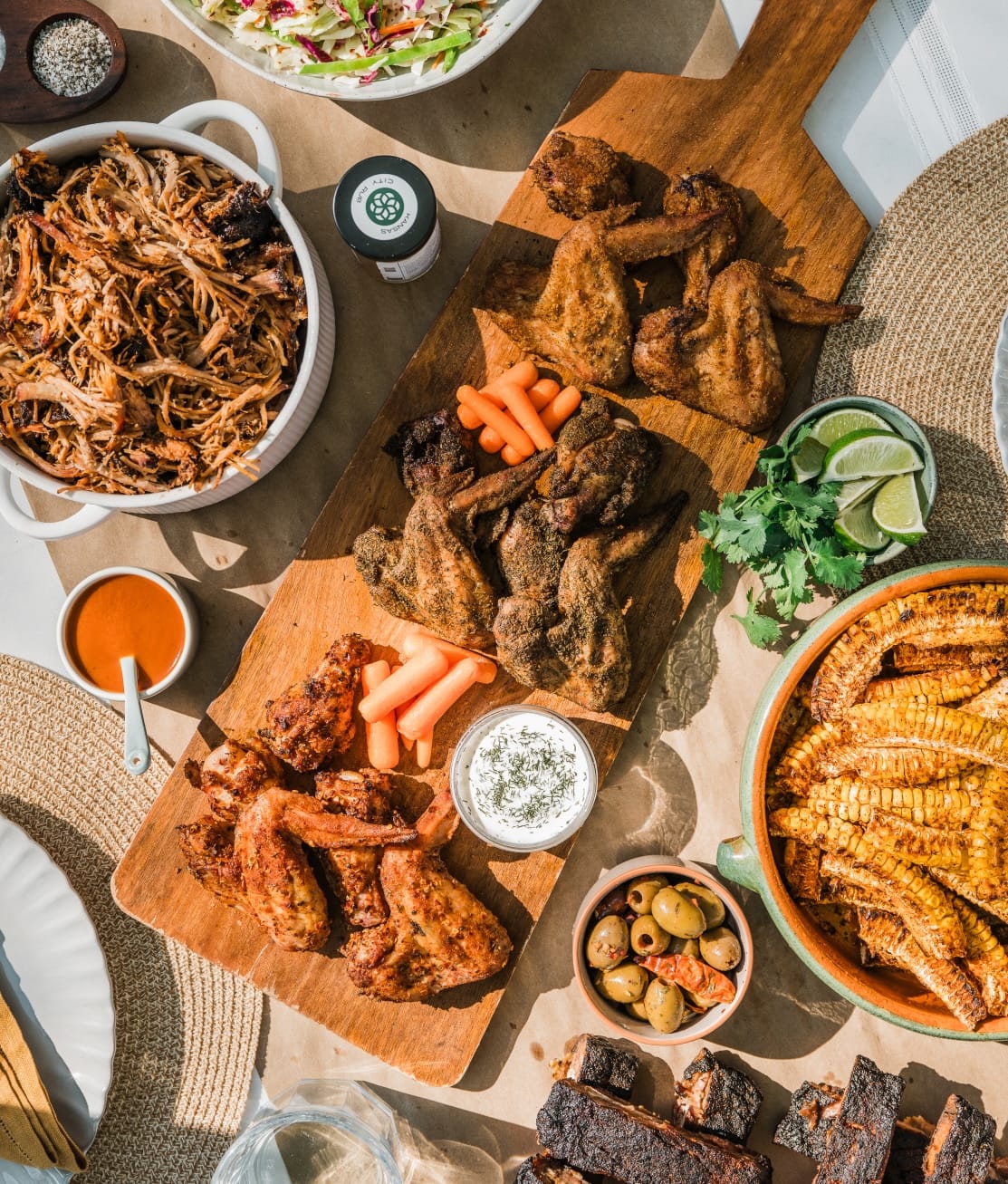
Game Day Recipes & Tailgate Food Ideas to Have Ready by Kickoff

Football season runs about five months, and you are going to feed people for most of them. Early on it is a folding table and a grill in warm weather. By January it is a thermos and whatever holds ...

Frequently Asked Questions

What's the difference between grilling and barbecue?

Grilling is hot, direct heat and fast cooking, ideal for steaks, burgers, kebabs, and vegetables. Barbecue is low, indirect heat (usually around 225-275°F) plus smoke over several hours, which breaks down tough cuts like brisket, pork shoulder, and ribs. Many recipes here use both: smoke low and slow, then finish over direct heat to crisp or caramelize.

How long should a dry rub sit before grilling or smoking?

For quick-cooking cuts like chicken pieces, chops, and shrimp, 30 minutes to a few hours is plenty. For large cuts like brisket, pork shoulder, or a whole turkey, apply the rub the night before and refrigerate. That gives the salt time to work its way in like a dry brine. Salt-free blends can go on just before cooking.

How much rub should I use?

A good starting point is about 1 tablespoon per pound of meat. You want an even coat where you can still see the meat underneath. Use a little less of saltier blends, and on big cuts, a thin layer of mustard or oil helps the rub stick.

What temperature is BBQ done?

USDA minimums are 165°F for poultry, 160°F for ground beef and pork, and 145°F plus a 3-minute rest for whole cuts of beef, pork, and lamb. Tough BBQ cuts need to go well past safe to get tender: brisket and pulled pork are ready around 195–205°F, when a probe slides in like butter. Ribs land around 195–203°F, or when they bend and crack on the surface when lifted.

Can I make these recipes without a smoker?

Yes. Most smoked recipes adapt to a charcoal or gas grill set up for indirect heat with a wood-chip packet, or to a low oven. Smoked spices like smoked paprika, Red Rocks Hickory Smoke Seasoning, or Black Label Smoked Salt & Pepper bring that flavor indoors. For more indoor BBQ recipe ideas, check out our guide on How to Make BBQ Without a Grill.

When should I add BBQ sauce or a sweet glaze?

Add it during the last 10–20 minutes of cooking. Sugar burns quickly over high heat, so saucing too early leaves you with a bitter, blackened crust. The same goes for rubs heavy in brown sugar: cook over indirect heat and save direct heat for a quick final sear.