
Ground Ginger is one of those spices that lives simultaneously in the baking cabinet, the medicine cabinet, and the spice drawer–and gets used in all three. The same rhizome that gives gingerbread its bite also belongs in a stir-fry marinade, a morning smoothie, and a cup of chai. But fresh ginger, ground ginger, and crystallized ginger behave differently in the kitchen, and knowing which form to reach for changes how a dish turns out.
Behind the Seasoning: Ginger
Test Kitchen |

What Is Ground Ginger and How Is It Different from Fresh?
Ground ginger is dried ginger root ground to a fine powder. It comes from the same rhizome (the knobby underground stem), but the drying process changes its flavor meaningfully.
Fresh ginger is bright and sharp, with a clean zingy heat that hits fast and fades. Ground ginger is more pungent and concentrated, with a deeper, earthier warmth that integrates into a dish slowly and lingers. They're not necessarily interchangeable, and most recipes call for one or the other for a reason.
Fresh-to-ground conversion: 1 tablespoon of fresh grated ginger equals approximately ¼ teaspoon of ground ginger. The difference in volume will reflect how much moisture fresh ginger contains and how concentrated the dried version becomes.
Ground Ginger belongs in baking: gingerbread, ginger snaps, pumpkin pie, spice cakes, and cookies where you want the warmth woven throughout rather than any single sharp bite. It also goes into dry rubs, curry pastes, marinades, and spice blends–really anywhere ginger flavor needs to distribute evenly without adding moisture. In baking it pairs with cardamom, cloves, nutmeg, and cinnamon; in savory cooking it works naturally alongside garlic, black pepper, and paprika.

Two ginger recipes worth knowing: Gingerbread Cookies and Sweet & Spicy Chile Glazed Shrimp with Pineapple Ginger Salsa.
These cookies are a standard holiday classic made with a twist of cardamom alongside the ginger and Saigon cinnamon.
Gingerbread Cookies
Recipe by Miranda Barnett, Savory Spice Test Kitchen
Classic holiday gingerbread cookies get a Savory Spice twist with a hint of cardamom for a cookie that's perfectly...
 All-Purpose Cooking
 Baking
Yields
About 30 cookies
Prep Time
15 minutes
Cook Time
10 minutes

And on the savory ginger side, this chile-glazed shrimp and salsa recipe is a Founders' creation that uses ground ginger twice, in the chile glaze and in the pineapple salsa, and makes the strongest possible case for keeping it on the savory side of your spice rack.

Sweet & Spicy Chile Glazed Shrimp with Pineapple Ginger Salsa
Yields
4 servings
Prep Time
15 minutes
Cook Time
10 minutes
What Can You Do With Crystallized Ginger?
Crystallized ginger, also called candied ginger, starts with young, fiberless ginger root steeped in cane sugar syrup and coated in sugar crystals. The result is chewy and intensely gingery: the sharp heat you expect from ginger, balanced but not eliminated by sweetness. It's not just a snack or a garnish. It's a legitimate baking ingredient and a reliable way to get fresh ginger intensity into a recipe without any prep work.
We carry two different cuts, and the difference matters beyond size.
Sliced Crystallized Ginger is cut into thin rounds, which means more surface area, more sugar coating per piece, and a slightly sweeter bite relative to the ginger heat. Use it in baked goods where you want ginger threaded throughout, such as stirring into scone or muffin batter, folding into cookie dough, or layering into a tart. It also works well as a cake garnish or alongside a cheese course where its brightness cuts through rich dairy. When chopping, rub a little oil on your knife first to keep the sugar from sticking.
Cubed Crystallized Ginger is chunkier, which means more ginger per bite and a more pronounced, chewy heat. It's the form to reach for as a standalone snack, mixed into trail mix, added to a charcuterie board alongside strong cheeses, or used as a cocktail and mocktail garnish. In cooking, the cubes work well in salsas, teriyaki glazes, and sweet-and-sour marinades–really anywhere a visible, chewy piece of ginger is a feature rather than a seasoning.


Featured recipe for both: Crystallized Ginger Shortbread Cookies. It's a simple butter shortbread recipe with finely chopped cubed crystallized ginger folded into the dough and rolled in brown sugar before baking. Quick, elegant, and three variations from one base recipe.
Crystallized Ginger or Candied Citrus Shortbread Cookies
Recipe by Elizabeth Bannas, daughter of Savory Spice Shop—Sellwood/Portland, OR owners Jim & Anne Brown
You won't find these at your typical cookie exchange! This is a quick recipe, so it's easy to make all three...
Baking
 30-Minute Meals
Yields
1 dozen
Prep Time
15 minutes
Cook Time
18 minutes

Chocolate Dipped Ginger takes it one step further: each piece of crystallized ginger hand-dipped in bittersweet chocolate by a Denver chocolatier. The combination works because both ingredients are assertive enough to hold their own. The dark chocolate adds richness and slight bitterness, and the candied ginger cuts through with warmth and heat. Serve alongside tea as an after-dinner treat or digestive aid, put it on a dessert board, or gift it to anyone who claims they don't like ginger. Note: it's not available during summer, as the chocolate melts in transit in warm weather, so it's in-stock fall through spring only.

Ginger and Its Role in Drinks & Smoothies
Ginger is one of the most naturally drink-friendly spices. It's warming in hot beverages, bright and refreshing in cold ones. Several of our products are built specifically around ginger's role in what you're sipping.
Chai Spices are a whole-spice, masala-influenced chai blend: crystallized ginger nibs, Saigon cinnamon chips, green cardamom pods, star anise, cloves, black peppercorns, and bay leaves. One ounce makes up to eight cups of chai tea.


To brew: steep the whole spices in simmering milk or water for 10–15 minutes, strain, sweeten to taste, and add black tea if desired.
The whole-spice version delivers a warmth and complexity that pre-ground blends can't replicate. Beyond tea, try steeping the blend into squash or sweet potato soup, or using it to infuse cream for ice cream and dessert sauces.
Golden Milk Chai Spice is a pre-ground blend designed for the golden milk latte, or "haldi doodh" in Hindi, that's rooted in Ayurvedic medicine. The ingredients: turmeric, cinnamon, ginger, cardamom, black pepper, star anise, allspice, and bay leaves.

The formula couldn't be simpler: stir 1½ teaspoons into a cup of milk of your choice, and warm until steaming. Sweeten with honey, maple syrup, or vanilla sugar. It can be served hot or iced. For a coffee shop–style turmeric latte, add a shot of espresso. The ginger and black pepper bring warmth and are understood in Ayurvedic tradition to help activate the turmeric's beneficial compounds.

Golden Milk Chai Latte
Yields
2 servings
Prep Time
1 minute
Cook Time
4 minutes
Ground ginger also pulls its weight in cold drinks and smoothies. Adding a teaspoon in our Green Peach Ginger Smoothie recipe, with spinach, frozen peaches, almond milk, and Greek yogurt, adds warmth and a subtle anti-inflammatory kick without making the smoothie taste medicinal.
Green Peach Ginger Smoothie
Recipe by Savory Spice Test Kitchen
Green smoothies don't have to taste like kale. Sweeten them up with seasonal fruits and these flavor-boosting...
 Healthy Cooking
 Drinks
Yields
1 serving

For something more substantial, the Tropical Turmeric Smoothie combines ground ginger with Golden Milk Chai Spice, mango, coconut milk, mandarin, and citrus. It's a bright, immunity-forward drink that works as a meal replacement or a post-workout reset.

Tropical Turmeric Smoothie
Yields
2 servings
Prep Time
5 minutes
What Spice Blends Feature Ginger?
Ginger is a prominent flavor in popular Spice & Easy mixes, and a supporting player in tropical and Caribbean blends. It's worth knowing about if you're trying to build a ginger-forward weeknight rotation.
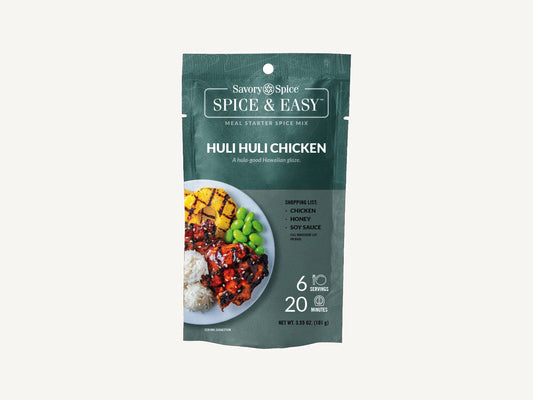
Huli Huli Chicken is a Hawaiian-style sticky glaze where ginger is one of the three flavor pillars alongside pineapple and sesame. The mix comes together with just water, honey, and soy sauce; the ginger brings the citrusy warmth that keeps the sweet glaze from reading as flat. (For more on the recipe, see Behind the Seasoning: Huli Huli Chicken.)
Korean BBQ Pork is a seasoning packet built around ginger and sun-dried gochugaru chiles: the two ingredients that are the source of its smoky sweetness and heat. The blend also includes roasted garlic, brown sugar, sesame, and green onion. Reduce the sauce until it glazes and thickens, then serve over rice or build into a bibimbap bowl.

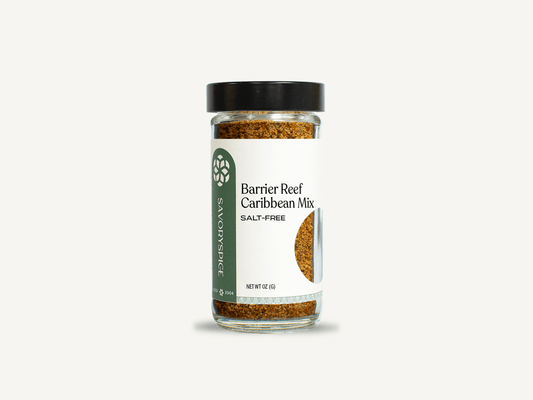
Barrier Reef Caribbean Mix is a salt-free citrus seasoning built around brown sugar, orange and lemon peel, chiles, ginger, nutmeg, mace, cloves, and makrut lime leaves. These flavors of Caribbean cooking, where sugar cane sweetness, warm spice, and citrus work as a single flavor idea. The coarse blend rehydrates and blooms as it hits heat, making it particularly good on chicken and fish.
Caribe Citrus Poultry Spice is a sugar-based dry rub where ginger works alongside black pepper, allspice, coriander, annatto, and citrus peel. The sugar caramelizes during roasting or smoking and builds a crispy, flavorful crust. Use it on chicken, turkey, duck, pork tenderloin, or seafood. Rub generously under and over the skin and let it rest before cooking.

How Do You Cook With Ginger?
Add ground ginger early in fat for depth. Bloomed in butter or oil at the start of cooking, it becomes integrated, earthy, and part of the dish's foundation. Added late, it reads as a brighter, more distinct spice note. Both are valid; the timing depends on the effect you want.
Use the right form for the application. Ground ginger for baking and dry rubs, where moisture would be a problem and you want flavor distributed evenly. Fresh ginger for stir-fries, sauces, and quick-cooking savory dishes where you want the bright, zingy heat. Crystallized for recipes or situations where you want the texture and sweetness of candied ginger as part of the finished dish.
For crystallized ginger: Look for pieces with bend (sliced) or slight give (cubed). Brittle or dried-out pieces have lost their chew and much of their potency. Oil your knife before chopping to keep the sugar from sticking.
What Can You Substitute for Ginger?
In baking: Allspice, Cardamom, or Nutmeg can stand in for ground ginger when you want warmth without the distinctive heat. None replicates ginger's citrusy, peppery edge exactly, but they work when ginger is a supporting spice rather than the point of the recipe.
In savory cooking: Galangal root, which is a botanical relative, is the closest substitute, with similar heat and a slightly more piney character. Turmeric root also works in curry-style applications and adds warmth, though it's earthier and less sharp than ginger.
Fresh to ground conversion: 1 tablespoon fresh grated ginger = ¼ teaspoon ground ginger.
For crystallized ginger: There's no good texture equivalent. In a pinch, use fresh or ground ginger plus a small amount of sugar to approximate the flavor, but the chew of crystallized ginger is its own thing and doesn't substitute cleanly.


Previous article
Previous Article
Behind the Seasoning: Turmeric
Next article
Next Article
Behind the Seasoning: Pepper
2 Comments
Hi Vicky,
Our crystallized ginger varies in size so there’s not a specific amount per piece. It will vary based on the size and weight of the piece of ginger. Hope that helps.Savory Spice 19/10/2023
How many milligrams of ginger are in each piece of your cubed crystallized ginger? I am using it for nausea that is very severe, and has been for two weeks.
Thank you, VickyVicky McLane 19/10/2023
Leave a comment
Join our community
Join our email list and Loyalty Club to earn points and save 10% on your first order!