Let's go back to the beginning.
Back to when I was full of hope and known as Michael, rather than "lone figure."
Back to when a boy with a dream (me again) and a love for Mole embarked on a quest from which he would (most likely) never return.

Let's go back to the beginning.
Back to when I was full of hope and known as Michael, rather than "lone figure."
Back to when a boy with a dream (me again) and a love for Mole embarked on a quest from which he would (most likely) never return.
It's pronounced "moal-ay" (sorry not sorry if you read that whole first paragraph thinking small, sightless rodents had taken over the Test Kitchen). The word "mole" literally means "sauce."
Key cooking methods and ingredients distinguish moles from other sauces, but this subcategory is really quite flexible, and countless versions can be found across Mexico and in Mexican homes worldwide.
Most moles follow this basic formula: toast dried chiles, roast or blacken some veggies, throw in some nuts, seeds, dried fruit, bread or masa, and maybe some chocolate, then purée it into a smooth sauce to be served with meat (usually turkey or chicken). The key principle is developing flavor through the cooking process of each and every element to achieve mole's characteristic complexity.
Because that process is so labor-intensive, plenty of delicious mole starts from a store-bought mole powder or mole paste instead of a from-scratch batch, which is exactly the shortcut we built for ourselves that we call Mexican Mole.
Mole is the national dish of Mexico, with the Pueblan and Oaxacan states being the most famous places to get your mole on. Puebla is generally regarded as the birthplace of mole, but Oaxaca has claimed seven mole babies as its own: negro, rojo, verde, coloradito, amarillo, chichilo, and manchamantel.
These 7 different types have earned it the nickname "The Land of the Seven Moles."
I've been trying moles at local restaurants and even making a few myself for years, but decided it was time to experience the OG "Oaxacan Seven" for real. I was about to stuff a duffel bag with Tupperware and stretchy pants and fly to Oaxaca when I remembered that planes cost money. Undeterred, I decided instead try to make all 7 moles myself—by hand, from scratch, in seven days.
A few notes before we jump in: some of the recipes below call for ingredients used as garnish, meaning they stay separate from the sauce in pieces, like a stew. You'll see these in the ingredient photos, but not in the shots of the finished mole. All of the recipes also include chicken stock, though it isn't pictured.
Dried Chiles do most of the heavy lifting in any classic mole sauce, but across all seven Oaxacan moles below, a handful of spices keep showing up alongside them: Cinnamon Sticks, Cloves, Allspice, Cumin Seeds, Black Peppercorns, Mexican Oregano, Star Anise, and Sesame Seeds.
These are the backbone mole spices worth having on hand before you start any of the seven from scratch. You'll understand exactly which ones go into which mole as we get into each different type below.
Mole Seasoning (or mole powder) is a ready-made version of mole's chile, spice, and chocolate blend. It's sold as a powder so you can skip the toasting, roasting, and puréeing that a from-scratch batch requires.
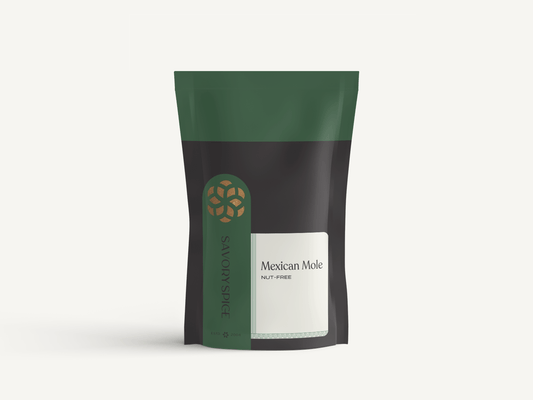
If seven mole variations in seven days sounds like more of a weekend hobby than a Tuesday dinner plan, we built our own version: a nut-free mole powder that does the heavy lifting for you. (Mole is usually made with peanuts, pecans, or almonds, but ours is completely nut-free).
Our Mexican Mole seasoning blends toasted sesame seeds and cocoa with chiles and cinnamon to capture that same deep, complex flavor as a classic mole, without a full day of frying chiles in lard and puréeing.
It leans closest to mole negro in style. It's dark, chocolatey, and built for depth, which tracks, since it's the same blend that inspired my original mole negro recipe.
Use this blend to make an easy homemade mole negro paste by mixing 6 Tbsp of this mole powder with equal parts warm water and broth, then simmer to your desired consistency.
Since our shortcut above (Mexican Mole seasoning) is basically bottled mole negro, let's start there.
Mole Negro has the most ingredients and, therefore, I think, the most complex and interesting flavor profile. You also toast and blacken the seeds and pith of the dried chiles, which are normally discarded, and blend them into your sauce. This adds heat, bitterness, nuttiness, and a dark color. A little fried plantain purée adds sweetness and a creamy texture.
Plus two and a half chocolate bars, which add an important layer of flavor but should never dominate. Take a wild guess what happened to that extra half.

Moles like this one are the reason Mexicans jokingly use "ir a un mole" ("going to a mole") as another way of saying "going to a wedding." It's usually the type of mole reserved for the biggest occasions, spooned over turkey or chicken with rice on the side.

Mole negro ingredients typically contain: onion, garlic, pecans, peanuts, almonds, mulato chiles, white bread, tomatillos, tomato, raisins, Cinnamon, smoked serrano chiles, Sesame Seeds, ripe plantain, Mexican Oregano, Allspice, Cloves, pumpkin seeds, sugar, pasilla chiles, and chocolate.
This type of mole inspired my original recipe using our mole seasoning: Chicken Mole (Mole de Pollo). It's a shortcut version, built around our Mexican Mole seasoning instead of a full day of toasting and blending.

Mole Rojo is the most common and widely served, at least in the U.S. It's also known as mole poblano or colorado, which means "reddish." The first step was to fry a trio of dried chiles in lard (very traditional). In my defense, mulato, ancho, and pasilla chiles are basically black to start, so it's hard to tell if you're burning the bajeebies out of them or not. I did. Whoops.
Mole rojo ingredients (from left to right...ish): Cinnamon, tomatillos, mulato chiles, darkly toasted bread, pasilla chiles, Black Peppercorns, raisins, almonds, lard, garlic, Star Anise, Cloves, ancho chiles, sugar, chocolate, and Sesame Seeds.

I proceeded to soak the chiles anyway, exercising a little faith that the burnt bitterness would not overpower the mole. A little pureeing, stirring, and reducing later, I had a gorgeous, dark red mole that tasted like straight ash. Behind the bitterness, I could taste the complex flavors of what would have otherwise been a delicious mole: nuttiness, warm spices, and fruity sweetness. Thankfully, I still had five days and 5 moles to go, therefore, plenty of time to redeem myself.
It's also the version most likely to show up on a Mexican restaurant menu outside of Mexico, often ladled over enchiladas or roasted chicken.

Spoiler alert: this isn't the last time I'll burn my chiles. If you'd rather skip straight to the choco-tastic payoff, our Mexican Mole seasoning (mentioned above) gets you there in about 45 minutes instead of a full afternoon.
After two moles built on fried chiles and chocolate, here's the palate cleanser: Mole Verde wins the awards for easiest, freshest, and most monochromatic mole.
Tomatillos (the green tomato-looking things with gooseberry-like husks) are used in 6 of the 7 moles, but here they're the star of the show. When harvested early, tomatillos are light and sour and add a pleasant brightness to the sauce. Their flavor and subdued sweetness are enhanced with a little roasting.
Classic mole verde ingredients: tomatillos, garlic, cilantro, Allspice, Cloves, Cumin, jalapeños, fresh masa, and parsley–then sometimes garnished with green beans and chayote squash.

The trickiest part of this mole is achieving the right consistency without overcooking it and losing that nice green color. Just make sure you reduce your stock and masa purée before adding in your green purée. Have I mentioned yet that when you make mole, you make fifty purées before combining them all at the end? Well, you do.

Try it the traditional way: ladled over pork or chicken, or stirred into tamales verdes. For a spin on mole verde, try our recipe for Green Chile Mole Pozole puts that same mole verde flavor into a pozole instead of a standalone sauce.

Back to the red family: Mole Coloradito, also known as "little red" because of its similarities to mole rojo, is basically a glorified enchilada sauce (all moles make great enchilada sauces, btw).
The guajillo chiles in this mole are slightly sweet and tangy, with a similar heat level to a jalapeño.
Standard mole coloradito ingredients: chocolate, guajillo chiles, raisins, Sesame Seeds, onion, ancho chiles, Cinnamon, tomatoes, breadcrumbs, garlic, Cloves, Allspice, Cumin Seeds, piloncillo, and tomatillos.

The mysterious brown cone in the ingredient shot is called "piloncillo." It's unrefined brown sugar with a strong molasses flavor that you have to grate. Throw in some tomatoes and extra chocolate and you have a slightly sweeter, slightly spicier reddish-orange mole.
This time I was determined not to burn my chiles, so I tried a different cooking method: dry roasting them at 450° for 3 minutes. I just about jumped out the kitchen window (don't worry, it's on the first floor) when I pulled them out of the oven and some of the smaller chiles had burned anyway. This was proving to be the most challenging part of making mole.
It's a natural for enchiladas, and holds up just as well spooned over tamales.

While amarillo means yellow, this Mole Amarillo is typically bright orange.
Most versions call for dried chiles that are hard to pronounce, let alone find outside of Oaxaca, like chilhuacle and chilcostle chiles. Guajillo chiles are a great substitute. I also threw in some smoked serrano chiles for fun. You'll also also commonly see aji amarillo chiles in this mole.
Mole amarillo ingredients: onion, Cumin Seeds, Allspice, Cloves, aji amarillo chiles, tomato, garlic, fresh masa, smoked serrano chiles, guajillo chiles, and cilantro, then sometimes garnished with Yukon Gold potatoes, chayote squash, or green beans.

This mole is typically spicier and less sweet than the previous two. The cilantro and masa add a welcome freshness to the sauce.
But what you really want to know is whether I burned my chiles again, isn't it?
This time I dry toasted them in a skillet where I could keep a close eye on them. As they toast, you can see small bubbles form and occasionally a reddish tint, which, along with a signature toasted chile fragrance, lets you know when they're done. Highly recommend this method.
This one's traditionally served brothy, ladled over chicken or pork alongside those same garnish vegetables.

If you tasted Mole Chichilo, you would think it should be called spicy corn mole.
The delicious corn flavor comes from toasted corn tortillas and a generous amount of fresh masa, also known as "masa preparada," which is a dough made from freshly ground hominy that can be found at specialty Mexican supermarkets (mercados).
Mole chichilo ingredients: avocado leaves, smoked serrano chiles, garlic, tomatillos, Mexican Oregano, Allspice, Cloves, fresh masa, lard, corn tortillas, pasilla chiles, and onion, then sometimes garnished with red potatoes, green beans, or chayote squash.

"Chichilo" actually means marmoset, which is a very small, very cute, yellowish-brown primate. I suppose this mole is named after a monkey because of the yellowish-brown color, but after a quick Google image search, I'd prefer to think it's because these little guys just love mole and will visit you and eat out of tiny bowls if you make it for them (cut to me setting tiny bowls of mole on the windowsill and attempting a marmoset mating call even though I have no idea what that sounds like).
It's traditionally paired with beef, often served alongside the same potatoes and chayote used here as garnish.

I've been looking forward to Mole Manchamantel, and not just because it's day 7, this is the last mole, I'm so tired, and the kitchen is literally on fire right now.
This one is fruity! I deviated from the traditional recipe a little and caramelized the pineapple and plantain to enhance their flavors before blending them into a purée. Traditionally, all of these pastes and purées are made by grinding the ingredients using a molcajete (volcanic rock) or metate y mano (which is like a stone-grinding tool). But if you're like me and don't have a big stone slab and a little club lying around, a blender works just fine.
Mole manchamantel ingredients: pineapple, ancho chiles, garlic, sugar, lard, onion, Black Peppercorns, Cloves, Cinnamon, apple cider vinegar, and ripe plantain.

Also, the cinnamon really came through in this mole, perfectly complementing the caramelized fruit and fruity ancho chiles. Just don't get it on your tablecloth (that's what manchamantel means: tablecloth stainer).
That fruitiness makes it a natural match for pork, though it holds up just as well over chicken.

Beyond the 7 classics from Oaxaca above, our Mexican Mole seasoning can also show up in a couple of other favorites: our recipe for Mexican Mole Beef Chili, was a chili competition winner that took 1st place at our former Portland spice shop's 3rd Annual Chili Cook-Off.
Mole powder can be a fantastic "secret ingredient" to throw into your favorite recipes for a classic pot of chili.

Or, try our unique recipe for a Tomatillo Mole Jam, which is a chocolate-and-chile spread that's great for charcuterie, cheese boards, or stirred directly into a sauce.

I'm just as surprised as you are, but the hero of our story (you already know who it is) survived!
Eventually, the smoke started to clear, the fire department came (too late), and someone walking by had enough sense to just unplug the blender. The lone figure cleared some rubble and set out his 7 moles, inviting one and all to come and partake. "It's good!," they said. And he never made mole again. The end.
Just kidding. I'm basically a mole expert now (not quite Mexican abuela status, but almost), so of course I'll be making mole again!
I admit, I might have been a little dramatic about what it was like to make all 7 of the Oaxacan moles in 7 days, but I will say that I can see why these dishes are usually saved for special occasions and holidays. It's a project and a labor of love, but also a beautifully complex dish that showcases quality ingredients and layers flavors in ways that are both comfortingly familiar and deliciously unexpected.
Perhaps the best part is improvising with the ingredients you have and the flavors you love. For anyone wanting to try making mole for the first time, I recommend trying a recipe for mole coloradito (and not burning your chiles).
How do you like your mole? Hot and spicy? Rich and chocolatey? Let us know in the comments below.
Join our email list and Loyalty Club to earn points and save 10% on your first order!