I’m usually late to trends. I’ll start listening to a band three or four years after its first hit. I like to see if something’s worth the hype before putting time and money behind it. (Radiohead…yes. Skinny jeans…not so much.)
Case in point: sourdough bread. Breadmaking itself isn’t a trend—it’s been around for 6,000 years—but in modern times, its popularity ebbs and flows.
As a kid in the 70’s, getting back to the earth, crafting, and homesteading were in vogue, and baking your own bread ticked those boxes. I was one of four kids with a mother who was lucky to have time and money enough to whip up some Hamburger Helper, let alone teach me the art of breadmaking. When COVID hit, and survival mode kicked in, hoarding toilet paper and making sourdough bread seemed to bring some sort of calm to many.
Meanwhile, I was working my butt off filling internet orders from you fine folks. It turned out cooking at home with good ingredients brought much comfort, too, which makes my heart happy.
This explains why it was a couple years later that I finally boarded the sourdough bus. Proof of concept (ha! proof…get it?) plus opportunity equals breadmaking for me!
The impetus came from our neighbor Ry, who shared a bit of his homemade starter. When he dropped it by, I told him to please never ask me how the breadmaking was going, that I would let him know. This was to avoid the embarrassment of failure to follow through.
Since that day, I have shared that same starter with friends and family, and I never ask about it after. I’m proud to say that I have kept Ry’s starter alive for over two years now, thanks to my husband Mike’s gratitude, my love of avocado sourdough toast, and a neighbor who feeds my both my starter, as well as my plants, when I travel.
There are a million sourdough recipes—or really, processes. Flour, water, salt, and a starter are all you need, but finding your groove is key. I started with a quick search for recipes and landed on Sam Merritt’s Sugar Spun Run blog. She recently updated it for 2026, and I found her video especially helpful for first-timers.
Along the way, I’ve picked up some sourdough tips I can share with you.
Janet's No Waste Sourdough Tips
It’s hard enough to find a day or two to dedicate to making a loaf of bread, let alonefigure out what to do with the discard. And since I hate to waste, I’ve found it very handy to only create enough starter to make what I need with a small amount left over to feed. Guess we could call this tip "Make what you need, leave what you’ll feed." Here’s how I do it.
My recipe for a loaf of bread calls for 150g of starter.Starting with 25g, the night before I make the bread, I feed that starter equal parts warm water and flour to create 175g (75g warm water + 75g flour + 25g original starter = 175g new starter).
Let the new starter sit for a couple of hours before putting it in the fridge overnight. I take it out first thing in the morning, let it warm up a bit, and use 150g to make bread, leaving that remaining 25g in the jar for next time. No discard, no waste, and no “I should have made something with all this discard I’m throwing out” guilt!
Here's some tips on my tip:
- When you add the warm water to your 25g of starter, give it a swirl in the jar before adding the flour to loosen any dried bits off the sides. This will ensure you use all of the starter and keeps your jar from becoming a crusty mess.
- Keep two identical jars for your starter. That way, you’ll always have one to place on the scale for taring, making it easy to weigh what’s in the jar you’re actively using.
Keep two identical jars for your starter. That way, you’ll always have one to place on the scale for taring, making it easy to weigh what’s in the jar you’re actively using.
How I Season My Sourdough
I find that sourdough is amazing no matter what you put ON it, but it’s just as fun to play with what you put IN it. I think the best time to add herbs and spices is during the last couple of folds.
I usually reach for versatile, salt-free blends with different regional influences so I can season to taste. Here are a few to get you started.
Classic Italian flavors, perfect for olive oil dipping - Cantanzaro Herbs
A French-inspired touch, top with butter and honey - Herbes de Provence
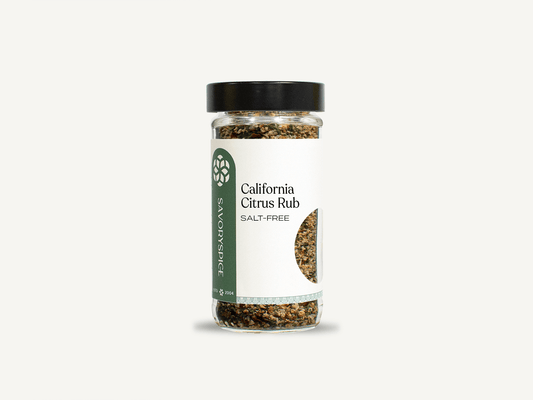
Coastal American flavors with bright citrus and a hint of heat - California Citrus Rub (Salt-Free)
Great for seasonal loafs - Poultry Seasoning (Salt-Free)
To mimic rye bread - Dutch Caraway Seeds
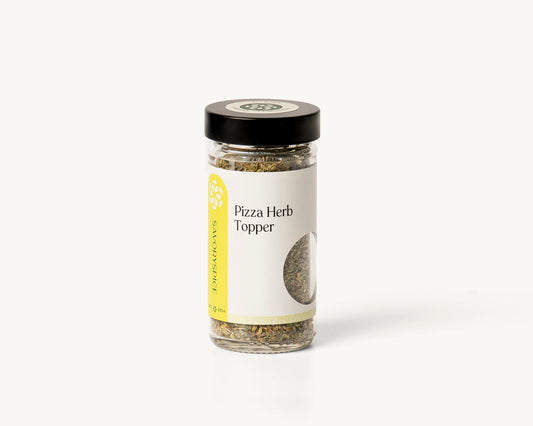
A great base for garlic bread - Pizza Herb Topper
Add cheese for a pull-apart loaf - Parmesan Pesto Seasoning
Swirl in a buttery cinnamon sugar (if you're feeling fancy like That Sourdough Gal does) - Cinnamon Sugar
The possibilities abound, limited only by your spice cabinet and imagination.
Looking for seasonings to make an olive oil dip for your homemade sourdough? We have you covered with our spring-exclusive Sourdough Dipping Trio bundle. Three salt-free herb blends designed for dipping warm, crusty bread. Each is layered with fresh, aromatic flavor for effortless hosting.
And one last tip...don't sweat it. Sometimes my bread turns out perfect, sometimes it’s a bit wonky. Sometimes I time the proofing perfectly, sometimes I forget what I’m doing and find a jiggly mess. The worst is when you lose track of time, want to go to bed, but need to fold it and let it rest for another hour. I say…fold it and throw it in the fridge. This isn't supposed to be stressful.
Keep calm and bake on!