
Ground Turmeric (or turmeric powder) is one of the most widely recognized spices in the world, known as much for its intense golden color as for what it adds to food. A root in the ginger family, it's been stirred into curries, brewed into drinks, and used as a natural dye for thousands of years. Today it appears in everything from a weeknight stir-fry to a morning smoothie. Here's how it actually works in the kitchen.
Behind the Seasoning: Turmeric
Test Kitchen |

What Is Turmeric Powder?
Turmeric powder comes from the dried, ground root of Curcuma longa, a rhizome in the Ginger family. You can see the resemblance in the knobby shape and papery skin of fresh turmeric, though the interior is a vivid orange-yellow where ginger's is more pale.
Native to the Indian subcontinent and Southeast Asia, turmeric root has been a cultural staple for thousands of years: used as a dye for textiles and ceremonial objects, as a central ingredient in Ayurvedic medicine, and as a foundational cooking spice across South and Southeast Asian cuisines.
What Does Turmeric Powder Taste Like?
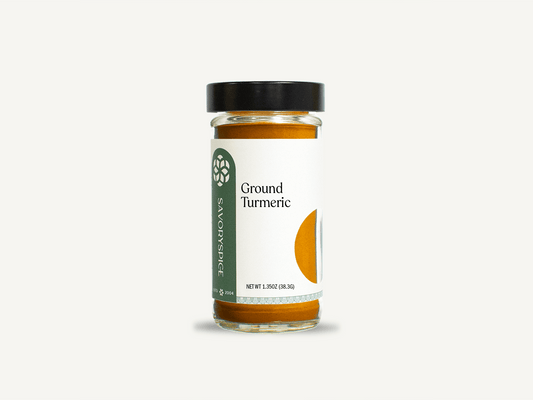
Ground Turmeric powder is earthy, bitter, and pungent, with subtle citrus and ginger-like undertones. The flavor is more restrained than the color would suggest. Turmeric rarely dominates a dish, but you notice when it's missing. Because of its bitterness and distinctive character, it almost always appears alongside other spices rather than on its own.
Cumin, cloves, mustard seed, and black pepper are its natural partners; most recipes that call for turmeric powder use at least four or five other spices alongside it. The bitterness that makes raw turmeric aggressive in large amounts is exactly what adds depth and backbone to a well-built curry or spice blend.
How is Fresh Turmeric Different from Turmeric Powder?
Fresh turmeric root looks like ginger root. It's the same knobby rhizome shape, same papery skin, but with a vivid orange interior. If your store carries it, look near the fresh ginger. It has a slightly brighter, more vegetal bite than the dried version.
Turmeric powder is a more concentrated version and distributes more evenly through a dish. For most cooking, they are interchangeable: use 1 inch of fresh turmeric root for every 1 teaspoon of ground turmeric called for.
Does Turmeric Powder Stain?
Yes, aggressively. The curcumin compound responsible for turmeric's golden color will leave its mark on hands, cutting boards, cloth, containers, and countertops. Wear gloves when handling it in larger quantities. If it gets on a surface, rinse immediately. The longer it sits, the harder it is to remove. A paste of dish soap and baking soda works on most countertop stains; sunlight naturally bleaches turmeric stains from fabric better than most detergents alone.
How Do You Cook with Turmeric Powder?
Ground turmeric is foundational to South Asian, Southeast Asian, and Middle Eastern cooking. It rarely works as a solo performer–it's most at home as part of a spice mixture or alongside four or five complementary flavors.
Bloom it in fat first. Turmeric powder releases its color and flavor most effectively when it hits hot oil or butter before any liquid is added. A brief 30-60 seconds in a hot pan lets the curcumin bloom and distribute evenly, turning the fat golden and coating whatever goes in next. Adding turmeric powder directly to a sauce or liquid later will produce a muddier, less integrated result. This is why it typically goes into the pan early, along with your aromatics.
As a protein coating. In our recipe for Thai Green Chicken Curry, the chicken is tossed with ½ teaspoon of ground turmeric before it ever hits the pan. Turmeric isn't the featured flavor here, the Thai green curry paste handles that, but it adds a warm golden coating to the chicken that carries through the coconut milk sauce, contributing background warmth and making the chicken visually distinct against the green.

Thai Green Chicken Curry
Yields
4 servings
Prep Time
10 minutes
Cook Time
20 minutes
In rice dishes. Ground turmeric dissolved in liquid and drizzled over rice turns plain white rice into a vivid golden side dish. Our recipe for Crispy Persian Style Rice uses ¾ teaspoon of turmeric powder alongside a whisper of saffron–both dissolved in hot water, drizzled over cooked rice, then packed into a hot skillet until the bottom crisps into a golden, crackling layer. Turmeric provides the color canvas; saffron contributes floral aromatics. They're complementary, not interchangeable.

Crispy Persian Style Rice
Yields
6 servings
In vegetable dishes. Our recipe for Indian Gujarati Slaw–a warm, quick-cooked cabbage slaw with asafetida, peanuts, sesame seeds, coconut, and jalapeño–blooms ¾ teaspoon of turmeric powder in hot oil before the cabbage goes in. It colors and coats the shredded cabbage as it cooks, contributing the dish's characteristic golden tone and an earthy undertone that anchors the sweet-salty-spicy balance.
Indian Gujarati Slaw
Recipe by Melissa Flowers, Savory Spice—Austin, TX customer (Adapted from original recipe by Raghavan Iyer in Betty Crocker’s Indian Home Cooking)
If ever you were looking for an excuse to try asafetida, this slaw should be it. Its pungent flavor pairs perfectly...
 Healthy Cooking
 30-Minute Meals
Yields
6 to 8 servings

When is Turmeric Powder Added Just for Color?
One of turmeric's most useful properties is that a small amount adds a vivid golden color without dramatically changing the flavor of a dish. This makes it a practical colorant in both cooking and in spice blends, where its flavor contribution might be minimal but its visual impact is significant.
This role has deep historical roots: turmeric was used as a dye for textiles, cosmetics, and ceremonial materials in South and Southeast Asia for thousands of years. It was often valued for its pigment as much as for its culinary use. That same compound (curcumin) is what we're using when turmeric powder functions more as a colorant than a flavor agent in cooking.
In spice blends: Turmeric appears in the ingredient list of both our Butter Chicken and Tikka Masala Spice & Easy mixes, but it isn't doing the heavy flavor lifting in either. In Butter Chicken, the dominant flavors come from tomato, coriander, cardamom, and the charring technique. In Tikka Masala, it's paprika, cumin, and guajillo chiles that build the profile. In both cases, the turmeric contributes the characteristic warm golden hue of a Northern Indian–style curry and a soft background earthiness. And if you removed it, you'd notice the color difference long before you'd notice anything on your palate.
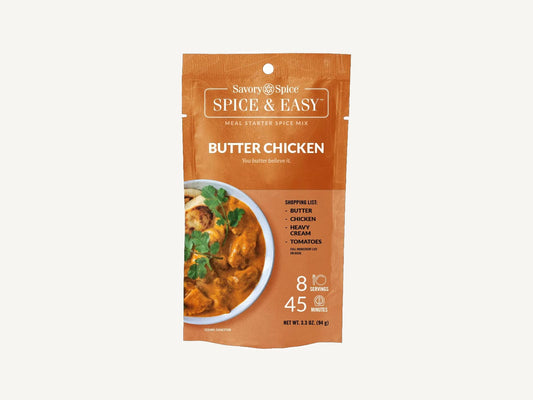

This isn't a limitation. It's how turmeric is supposed to work in complex, layered blends. In a finished butter chicken or tikka masala, you're not tasting "turmeric." You're tasting the whole.
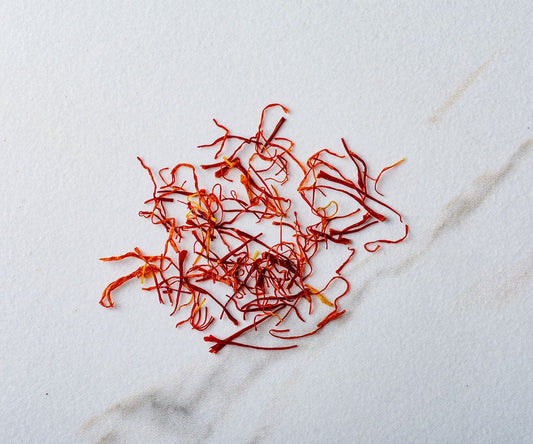
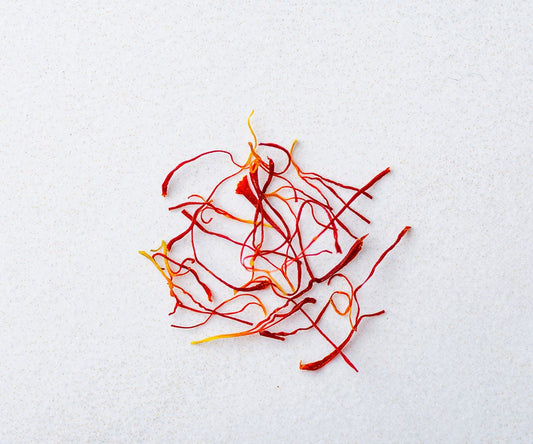
Ground Turmeric vs. Saffron: While both produce a golden color in rice, broth, and sauce, they're not substitutes for each other's flavor. Turmeric is earthy and slightly bitter, whereas saffron is floral, sweet, and aromatic. Turmeric is inexpensive and stable, and saffron is one of the most expensive ingredients by weight. If a recipe calls for saffron and you only care about the color, using turmeric powder will get you there. If you need the flavor saffron provides, there's really no true substitute.
How Does Turmeric Powder Work in Drinks?
Turmeric powder shows up across a range of drinks, from smoothies and wellness shots to traditional South Asian beverage traditions where it plays the same role it does in cooking: adding earthy warmth, golden color, and background depth.
Our Tropical Turmeric Smoothie recipe is probably the most straightforward entry point. Frozen mango, banana, mandarin oranges, kiwi, coconut milk, and 1½ teaspoons of ground turmeric with cinnamon and ginger, blended until smooth. Five minutes from freezer to glass, and it reads as a morning immunity boost or post-workout reset.

Tropical Turmeric Smoothie
Yields
2 servings
Prep Time
5 minutes
Our recipe for a steaming Hotshot Toddy is made a DIY spice blend: ground turmeric, Ground Ceylon Cinnamon, and Ground Ginger combined in quantity and stored in a jar. Stir ¼ to ½ teaspoon into an ounce of hot water for a daily spice shot, or mix 2 teaspoons with honey and hot milk for a warm sipping version. It's one of the most direct ways to use turmeric powder in a drink, with no blending or specialty products required.
Hotshot Toddy
Recipe by Elly Cooke Ross
This recipe makes a warming spice blend that you can stir into hot water for a daily shot or turn into a hot toddy...
Healthy Cooking
30-Minute Meals
Yields
1 serving

And, our recipe for a Fruit Masala Lassi takes turmeric into a different South Asian tradition: ½ teaspoon of ground turmeric blended with full-fat yogurt, your fruit of choice (mango is traditional; pineapple, raspberries, and strawberries all work), Garam Masala, and honey. The turmeric adds golden color and a subtle earthy counterpoint to the fruit's sweetness.

Fruit Masala Lassi
Yields
2 servings
Prep Time
10 minutes
Of all the ways turmeric powder works in drinks, one has a name that most people now recognize: Golden Milk (sometimes called turmeric milk or a turmeric latte depending on context).
What is Golden Milk and How Do You Make It?
Golden milk, or haldi doodh in Hindi, is a warm, turmeric milk beverage rooted in Ayurvedic tradition, and it's among the oldest recorded uses for the spice. In Western coffee shops it's become the turmeric latte; in Indian households it's been a daily wellness drink for generations.
Golden Milk Chai Spice is our take on this tradition: a pre-blended mix of turmeric, cinnamon, ginger, cardamom, black pepper, star anise, allspice, and bay leaves. Unlike the blends mentioned above, this blend is built around making turmeric the headline. It's designed to let it shine in a beverage context, balanced by warm spices rather than buried under it.

The formula: stir 1½ teaspoons into a cup of milk of choice, and warm until steaming. Sweeten with honey, maple syrup, or vanilla sugar. Can be served hot or iced. For a coffee-shop–style turmeric latte, add a shot of espresso.

Golden Milk Chai Latte
Yields
2 servings
Prep Time
1 minute
Cook Time
4 minutes
What Can You Substitute for Turmeric Powder?
For the earthy flavor: Cumin is the closest single-spice substitute. It shares turmeric's earthiness without the bitterness. Paprika works when a slightly sweet, mild warmth is what the recipe needs. Dry mustard brings earthiness with more sharpness and heat, which works in savory dishes where turmeric is playing a supporting role.
For the color: Saffron produces a similar golden hue in rice and broth-based dishes, but the flavor is entirely different–floral and sweet vs. earthy and bitter. Small amounts of saffron work as a color substitute. Turmeric for color foundation, saffron for aromatic depth.
For a closer overall approximation: Yellow Curry Powder contains turmeric as 20-25% of its blend, making it the most complete substitute when you want turmeric's contribution to both flavor and color with other warm spices already built in. Note that you'll also be adding cumin, coriander, and other curry flavors, so it works best when those are welcome. For more, go Behind the Seasoning: Curry Powder.
Fresh to ground conversion: 1 inch of fresh turmeric root = 1 teaspoon of turmeric powder.

Previous article
Previous Article
The Columbian Exchange: How One Voyage Reshaped Every Kitchen in the World
Next article
Next Article
Behind the Seasoning: Ginger
Leave a comment
Join our community
Join our email list and Loyalty Club to earn points and save 10% on your first order!