The best substitute for smoked paprika depends on what it's doing in your dish.
If you need the smokiness, the closest option is regular sweet paprika combined with a small amount of liquid smoke. You'll get the same color, similar mild pepper flavor, smoke added separately. If you need smoke plus heat, chipotle powder is a single-spice substitute that brings both. If the smokiness isn't the main point and you mostly need the color and mild pepper flavor, regular sweet paprika works on its own.
No single swap is perfect, because smoked paprika's smoke is built in through an oak-drying process no other spice replicates. But, the right substitutes will get you close.
Most spice substitutions are straightforward because you're swapping one dried, ground ingredient for another. Smoked paprika is trickier because the smoke isn't a seasoning added on top, it's structural. The peppers are dried over slowly burning oak fires for two to four weeks before grinding, which means the smoke penetrates the flesh of the pepper. There's no quick workaround that fully replicates that.
What you can do is approximate the parts that matter most for your specific dish: the smokiness, the mild sweet pepper flavor, the deep red color, or some combination. Identifying which of those elements is doing the most work in your recipe is the key to picking the right substitute.
Best Overall Substitute: Sweet Paprika + Liquid Smoke
Best when: You need smoke and mild flavor without added heat.
This two-ingredient combination comes closest to what smoked paprika actually does. Start with the same quantity of sweet paprika your recipe calls for. It provides the mild pepper flavor and the vivid red color. Then add a very small amount of liquid smoke: start with just ¼ teaspoon per tablespoon of paprika and adjust from there. Liquid smoke is significantly more potent than it looks, and too much turns acrid fast.
This works best in rubs, marinades, soups, stews, and sauces where the two ingredients blend into the dish. It's less ideal as a finishing garnish, where the liquid smoke can read as a separate flavor rather than integrating naturally.
Best for Smoke & Heat: Chipotle Chile Powder (Morita)
Best when: You need smokiness and and added heat / spice level.
Chipotle is made from smoked and dried jalapeños, which makes it the most naturally smoky single-spice substitute available. The smokiness is genuine and comes through clearly in cooked dishes. The catch: chipotle is significantly hotter and more pungent than smoked paprika, and it has a distinct flavor profile. It's earthy, slightly chocolatey, with a slow-building heat.
Use about half the amount your recipe calls for, taste, and adjust. A teaspoon of smoked paprika becomes roughly ½ teaspoon chipotle powder as a starting point. It works particularly well in chili, BBQ rubs, taco seasoning, and slow-cooked dishes where the boldness of chipotle integrates over time. It's less ideal in delicate dishes like romesco or hummus topping where you want the smokiness to be subtle.
Best for Mild Flavor & No Smoke: Ancho Chile Powder
Best when: You need mild pepper flavor and color without smoke or heat.
Ancho Chile Powder is made from dried poblano peppers and has a mild, slightly fruity, raisin-like flavor. It won't add smokiness, but it also won't add heat, and the color is similar enough that it holds up in rubs and blends. This is the right choice when the recipe already has smoke coming from another source (a grill, a smoker, liquid smoke elsewhere in the dish) and the smoked paprika is mainly providing color and body.
Use a 1:1 substitution. The flavor will be slightly earthier and less bright than smoked paprika, but it won't throw off a spice blend or BBQ rub significantly.
Best when: Smokiness is a background note and the recipe has strong enough other flavors to absorb its absence.
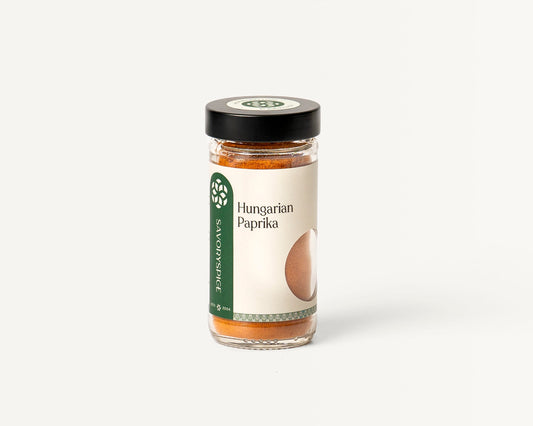
If the smoked paprika in your recipe is contributing mostly color and mild pepper body, and it's one of several spices in a complex blend, plain sweet paprika often works well enough. Hungarian paprika gives the sweetest, most classic paprika flavor. California paprika is bolder with more color saturation and a slightly peppery bite.
This doesn't work in dishes where smoked paprika is a lead flavor: patatas bravas, romesco sauce, chorizo-style preparations, or anything where smokiness is the whole point. But in a beef stew, a seven-spice BBQ rub, or a bean dish, it gets you there.
Some recipes are more forgiving than others. Here's how the substitution plays out in specific applications:
BBQ rubs: Sweet paprika and a touch of liquid smoke, or chipotle powder at half quantity. Both hold up well in high-heat cooking and contribute to the bark on smoked meats.
Chili: Chipotle powder is excellent here. The heat and earthiness fit the dish naturally. Start at half the called-for amount and build up.
Soups and stews: Sweet paprika and liquid smoke integrates cleanly. Ancho chiles works if smokiness isn't critical.
Romesco sauce or patatas bravas: These are dishes where smoked paprika is a defining flavor. The sweet paprika and liquid smoke combination is the only substitute worth trying; ancho alone won't read as the same dish.
Hummus or finishing garnish: A very light dusting of chipotle powder, or skip the smokiness entirely and use regular sweet paprika for color. The liquid smoke approach doesn't work well as a dry garnish.
Shakshuka: Sweet paprika and a small amount of chipotle for heat, or sweet paprika and liquid smoke stirred into the sauce. Both work.
Vegetarian/vegan "bacon" flavor: Chipotle powder is the better substitute here. The smokiness and slight bitterness help mimic smoked meat more convincingly than liquid smoke and regular paprika.
Southwestern Chorizo Shakshuka
Recipe by Savory Spice Test Kitchen
We give shakshuka (eggs baked in tomato sauce) a southwestern twist by using Merquen, a unique Chilean-inspired...
Sometimes. In a complex spice blend with many ingredients, omitting it changes the flavor slightly but doesn't ruin the dish. In a recipe built around it, like patatas bravas, Spanish-style beans, romesco, anything where "smoky" is in the name, leaving it out changes the dish fundamentally.
A useful rule of thumb: if smoked paprika is one of six or more spices, you can probably skip it or swap it. If it's one of two or three, it's likely doing essential work.
Time to Refill?
If this swap came up because you're out of smoked paprika, we've got you covered. We carry both Smoked Spanish Sweet Paprika and Smoked Spanish Hot Paprika. Always handcrafted in small batches in Denver for bold, oak-fired flavor that no substitute fully replicates.