Most spice blends are measured in during cooking. Garam Masala—the most popular spice blend in India—typically goes in at the end, stirred in during the last few minutes to preserve its volatile aromatics.
That timing tells you something about what it is: a finishing spice, built for layering complex fragrance over a dish rather than simmering into the background. Our blend of Garam Masala Seasoning is a Northern Indian-style blend of coriander, cumin, two types of cardamom, black pepper, cloves, mace, Saigon cinnamon, charnushka, and bay leaves. It's salt-free, garlic-free, onion-free, and its uses extend far beyond the subcontinent.
The name is the definition: garam means warm or hot in Hindi, masala means a mixture of spices. But the warmth in "warm spice mixture" is aromatic, not fiery. Garam Masala isn't a hot blend, it's a blend of warming spices, the ones that produce a sense of heat and depth through fragrance rather than capsaicin.
Garam Masala is the foundational seasoning of Northern Indian cuisine, rooted in the Punjabi cooking tradition and associated historically with Mughal influence on the region. Unlike the elaborate marinades and aromatic sauces found elsewhere in South Asian cooking, Punjabi cuisine built its flavor around full-bodied masalas cooked with liberal amounts of ghee. Garam masala is that blend. It's used the way a Punjabi cook reaches for it the same way a Western cook reaches for salt and pepper: as a finishing seasoning that goes on almost everything.
What makes garam masala unusual compared to other spice blends is how personal it traditionally was. Every household had its own version, tuned to family preference. The common thread is a group of aromatic spices—some combination of cinnamon, cloves, cardamom, cumin, coriander, black pepper, and mace—balanced so that no single spice dominates.
The exact proportions and inclusions varied, but the goal was always the same: a complex, aromatic blend that adds warmth and depth without overwhelming the underlying dish.
It's also worth distinguishing Garam Masala Seasoning from Curry Powder, which Americans often conflate with it. Curry powder is a British-colonial invention. It's a standardized shortcut to Indian flavor built around turmeric as the dominant note, with cumin, coriander, and fenugreek filling out the base. Garam masala has no turmeric. It's more aromatic, more complex, and less about the golden color of a curry than about the fragrant depth underneath it. In most authentic Indian cooking, both are used, with curry powder (or individual spices) building the sauce and garam masala finishing it.
What's in garam masala?
Our Garam Masala Seasoning contains coriander, black pepper, charnushka, cumin, black cardamom, green cardamom, cloves, mace, Saigon cinnamon, and bay leaves. No salt, no garlic, no onion—an unusual combination that makes it remarkably layerable with other seasonings.
Coriander is typically the backbone of garam masala. It's the ingredient that provides the most volume by weight and gives the blend its citrusy, slightly floral brightness. It's the softening note that keeps the more assertive spices from becoming too intense.
Cumin supplies the earthy, savory foundation. Where coriander is bright, cumin is grounded. It's the note that anchors the blend and keeps it from tipping into purely sweet or floral territory.
Charnushka, also called nigella or kalonji, is one of the less familiar inclusions. The tiny black seeds have a flavor that's peppery, slightly bitter, and faintly onion-like. They add an edge to the blend and, in our version, do some of the textural and flavor work that might otherwise come from black pepper alone.
Black Pepper provides the primary heat note. It's not aggressive, but present. Like cumin, it's part of the earthy, grounding layer underneath the aromatics.
Green Cardamom is one of the most characteristic flavors in garam masala. It's floral, eucalyptus-like, and intensely fragrant in a way that's hard to replace. A small amount of green cardamom reads immediately as Indian cooking in a way that most other spices in the blend don't.
Black Cardamom is a different spice entirely despite the shared name. Larger and dried over fire, it has a smoky, camphor-like quality. It's earthier and more assertive than green cardamom. The two work in counterpoint: green cardamom is the aromatic top note, black cardamom the smoky bass.
Cloves are the most assertive spice in the blend. Intensely warm and slightly medicinal, cloves add the depth that gives garam masala its characteristic punch. They're present in small amounts but distinctly felt.
Mace is the dried aril that wraps a nutmeg seed. Its flavor is similar to nutmeg but more delicate, with a warm, slightly floral quality that adds complexity without the assertiveness of cloves or cardamom. It's one of the subtler elements in garam masala, but it provides a warmth that the blend would lack without it.
Saigon Cinnamon has significantly higher oil content than other cinnamon varieties, which translates to a more pungent, intense sweetness. It's the note that gives garam masala its characteristic warmth and ties the whole blend together.
Bay Leaves contribute an earthy, herbal background note, which is less about active flavor than about adding depth that makes the more prominent spices feel grounded.
The whole is deliberately tuned to produce aromatic complexity, not heat. The spices were historically considered "warming" in an Ayurvedic sense—beneficial to digestion and circulation—which explains the blend's enduring use as a daily finishing seasoning rather than an occasional accent.
How do you use garam masala?
The most important technique with Garam Masala is understanding its timing. Because the volatile aromatic compounds that give it complexity are sensitive to prolonged heat, most traditional recipes call for adding the final portion at the end of cooking—stirred in during the last minute or two, or even sprinkled on after removing the pan from heat.
The spices can also be bloomed briefly in hot oil at the start of cooking to build the dish's base, but the finishing addition is what gives garam masala its full aromatic impact.
To make a garam masala paste: mix equal parts Garam Masala, oil, and hot water. The water releases the water-soluble flavor compounds while the oil captures the fat-soluble ones, and the result has more depth than either the dry spice or a simple oil blend alone.
In traditional Indian dishes. The clearest illustration of how garam masala works is in a dish where it's used as intended—added at multiple stages, with the final addition tipping the dish from good to aromatic.
Our recipe for Channa Masala(channa = chickpeas, masala = spiced) builds flavor in exactly this way: 2 tsp of Garam Masala are bloomed in hot ghee at the start to infuse the oil; another teaspoon goes in mid-cook with the garlic-ginger paste; a final teaspoon is stirred in at the end with lemon juice, just before serving. The layering makes the finished dish aromatic in a way that a single addition at any one stage wouldn't achieve. Chickpeas, tomato, and garam masala in graduated doses, cooked down to a thick stew. This is one of the simplest demonstrations of what the blend does when used correctly.
The same finishing logic applies to any lentil dish: a half-teaspoon of Garam Masalastirred into dal in the final minute–after the tarka (tempered spice oil) has bloomed–is often the step that lifts a well-seasoned lentil soup into something unmistakably Indian.
In vegetarian and curry-style dishes. Our recipe for Halloumi Tikka Masala shows the same staged-addition technique in a richer, vegetarian format. Garam Masala goes into the spice base alongside whole coriander, cumin, and cardamom seeds—toasted in ghee with onion, garlic, and ginger before being blended into the sauce—and then a final tablespoon finishes the dish with heavy cream and grilled halloumi in the last step. The toasted whole spices and the finishing garam masala serve different purposes in the same dish: the whole spices provide structural depth; the ground blend adds the top-note fragrance. It's a technique that works equally well for traditional chicken or lamb curries, or with any protein that benefits from a spiced tomato cream sauce.
Garam Masala also works as the primary seasoning in a yogurt-based tikka marinade: combine it with full-fat yogurt, lemon juice, and oil, coat chicken thighs, and marinate at least an hour before broiling or grilling — no sauce required.
As a dry seasoning for snacks and sides. Our recipe for Garam Masala-Spiced Cashewsuses 4 tsp of Garam Masala to season 4 cups of raw cashews—with granulated sugar, sea salt, cayenne, and a beaten egg white—before roasting at 300° for 25 to 35 minutes. The slow roast at a moderate temperature keeps the spice from burning while the egg white creates a lacquered crust that carries the garam masala's full aromatic character. The same approach works for roasted chickpeas, sweet potato wedges, or any root vegetable that benefits from a spiced, slightly sweet coating.
In drinks and sweet applications. Garam Masala's Saigon cinnamon and green cardamom make it an easy bridge to sweet applications. It contains most of what goes into a masala chai without the tea. Our recipe for a Fruit Masala Lassi uses 1 tsp alongside Ground Turmeric in a blended yogurt drink with mango, honey, and a pinch of salt. The garam masala provides the spiced warmth that a mango lassi typically gets from cardamom alone; used here, it adds the cinnamon and clove depth of a fuller spice mix in a single addition. Any fruit that works in a lassi—pineapple, raspberry, strawberry—works with garam masala for the same reason. For more direct sweet applications, the blend works as a pumpkin pie spice substitute in custards and tarts, and in a glaze for roasted meats like ham it pairs naturally with maple sugar and whole cloves.
Garam Masala is complex enough that no single-ingredient substitute replicates it. The closest functional approach depends on what you're using it for.
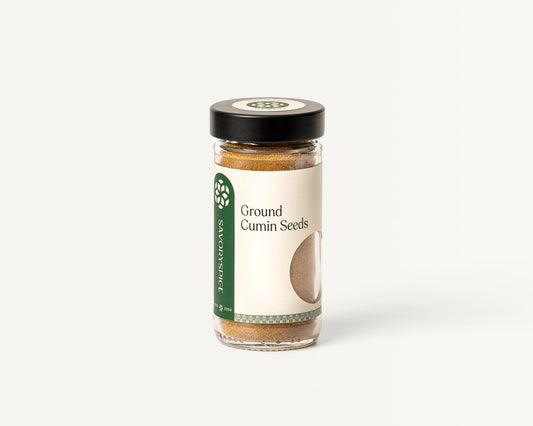
The most broadly useful substitute: equal partsGround CuminandAllspice. Cumin provides the earthy savory foundation; allspice approximates the clove, cinnamon, and nutmeg notes in combination. This won't have the floral lift of green cardamom or the smoky bass of black cardamom, but it delivers the same warming, savory-spiced direction and works in any dish where garam masala builds depth.
Curry Powder is a reasonable substitute in curries, stews, and braises where the dish has enough liquid and time to integrate the flavors. The flavor shifts. Curry powder is turmeric-forward where garam masala is cardamom-and-cinnamon-forward. But in terms of aromatic function in a long-cooked sauce, it works. Use the same quantity and add it mid-cook rather than at the end, since the technique for curry powder doesn't carry the same finishing-spice logic that garam masala does.
For finishing applications—where garam masala is sprinkled over a dish right before serving—try a pinch each of Ground Cinnamon, Black Pepper, and Cumin in equal parts. It captures the warm-earthy-aromatic character without the complexity of the full blend.