Allspice is a single berry from a single tree that tastes like a combination of cinnamon, cloves, nutmeg, and ginger, which is exactly how it got its name, and exactly why so many people assume it's a blend. It isn't.
Pimenta dioica produces every one of those flavor notes on its own, from a small, round, reddish-brown berry harvested unripe from evergreen trees across Jamaica and Central America. That flavor range—warm, sweet-spiced, slightly peppery, with a complexity no actual blend quite replicates—is what makes allspice one of the few spices that belongs in both a Jamaican jerk rub and a batch of gingerbread without feeling out of place in either.
What is allspice?
Allspice is the dried berry of the Pimenta dioica tree, native to the rainforests of Central America and the Caribbean. It's the only major spice that grows exclusively in the Western Hemisphere. Every other spice in global pantries has roots in Asia, Africa, or the Mediterranean. The berries are harvested while still green and unripe, then sun-dried until the seeds inside rattle loosely in the shell: the traditional test for readiness that still holds today.
The name "allspice" emerged among 17th-century English spice traders who recognized that the dried berry tasted like a combination of several familiar spices at once. The name that came before it, "pimento," from the Spanish pimiento, stuck in the Caribbean. That's why Jamaican allspice is still sometimes called "pimento" in Jamaica, and why allspice wood is used in traditional Jamaican jerk cooking alongside the dried berries. Both the wood and the leaves carry the same aromatic compounds as the berry, and authentic jerk uses all of them.
Jamaica is widely considered the source of the world's best allspice.
The island's particular climate, soil, and elevation produce berries with a higher concentration of eugenol, which is the primary aromatic compound responsible for the clove-like warmth at the center of allspice's flavor–than any allspice grown elsewhere. Most of the world's commercial allspice still comes from Jamaica or Guatemala, but Jamaican origin remains the quality benchmark.
One clarification worth making: Baharat, the Middle Eastern all-purpose spice blend, is sometimes called "Lebanese allspice," but it doesn't actually contain allspice. The name comes from the Arabic word baharat meaning "spices," and the flavor overlap is real (baharat includes cinnamon, cloves, and nutmeg, the same notes allspice produces on its own), but the two are distinct. Baharat is a blend; allspice is a single ingredient.
What does allspice taste like?
Allspice is warm, sweet-spiced, and slightly peppery, with the clove-like quality most prominent at the front and a rounder, cinnamon-and-nutmeg warmth underneath. There's also a faint ginger-like heat that adds depth without sharpness. The combination is more harmonious than what you get by mixing those spices separately. Each note is present, but they're integrated rather than layered on top of one another.
This is what makes allspice so versatile across very different culinary traditions. The same compound that gives allspice its intensity in a Jerk Marinade is the one that makes it feel at home in a Pumpkin Pie Spice blend or a Pfeffernüsse Cookie.
The peppery edge makes it work in savory applications, such as chilis, braises, sausages, and BBQ sauces, while the underlying sweetness keeps it equally functional in baking. Most spices lean decisively in one direction; allspice genuinely does both.
What is allspice used for in cooking?
The range of cuisines that depend on allspice—Jamaican, Middle Eastern, Scandinavian, German, British—have almost nothing else in common, which gives some sense of how broadly useful a single berry can be.
Caribbean Cooking:Allspice is the backbone of Jamaican Jerk Seasoning and one of the defining flavors of Caribbean cooking overall. Whole berries go into jerk marinades alongside Scotch bonnets, thyme, and garlic; the same berries, tossed into a wood fire, perfume the smoke that gives authentic jerk its character.
Use this blend to make a traditional Jerk Marinade: mix 6 tablespoons with olive oil, soy sauce, vinegar, and orange juice and marinate chicken or pork for 4 to 12 hours before grilling for the char and caramelization that define the dish.
In Caribbean rice dishes, ground allspice provides the warm, slightly sweet undercurrent that distinguishes the cooking from a simple salt-and-pepper preparation. Our recipe for Caribbean Coconut Rice incorporates ¼ tsp of Ground Jamaican Allspice into coconut rice just before it finishes steaming. It's a small amount that quietly ties the coconut milk and rice together into something that tastes unmistakably Caribbean rather than just rich.
Chilis, stews, and vegetables:Allspice is also one of the better-kept secrets in American cooking. A pinch of allspice powder added to your favorite chili recipe builds depth that is hard to identify but immediately noticeable when it's missing. The warmth reads as "this has been cooking all day" rather than announcing itself as any single spice.
The same is true in braised meats, beef stews, and tomato-based sauces. Swedish meatballs and German sausages both traditionally include allspice as a key background note, which is why those dishes have a flavor that feels complete rather than one-dimensional.
Our recipe for a Sage & Roasted Squash Risotto uses 1 tsp of ground allspice seasoning tossed with butternut squash before it roasts at high heat. The allspice caramelizes slightly in the oven and pulls out the sweetness of the squash in a way that plain salt and olive oil don't. That roasted squash gets stirred into the risotto at the end, making allspice the flavor that carries through the entire dish.
Sage & Roasted Squash Risotto
Recipe by Savory Spice Test Kitchen
A warm, creamy risotto with allspice roasted butternut squash stirred through.
Pickling and BBQ:Whole Allspice is a standard ingredient in a Pickling Spice Mix, as they add a sweeter, more complex warmth than black pepper alone, and hold up through the brining process without becoming bitter.
Pickling Spice Mix
Recipe by Savory Spice Test Kitchen
Making your own pickling spice blend at home is pretty easy if you want to experiment with taking your pickled goods...
Ground Allspice is also a traditional ingredient in homemade BBQ sauces and ketchups, where it works alongside molasses, vinegar, and brown sugar to add the kind of warm spice depth that distinguishes a homemade sauce from a commercial one.
What is allspice used for in baking?
Ground Allspice is present in almost every traditional warm-spiced baking context–from pumpkin pie and gingerbread to spice cake and apple butter–anything that depends on the cinnamon-clove-nutmeg range for their character.
Our classic holiday recipe for Gingerbread Cookies uses ¾ tsp of Ground Jamaican Allspice alongside cinnamon, ginger, cardamom, and cloves. It's one of six spices in the dough, but it's doing the connective work that pulls the others into a coherent flavor rather than a collection of separate spice notes.
Gingerbread Cookies
Recipe by Miranda Barnett, Savory Spice Test Kitchen
Classic holiday gingerbread cookies get a Savory Spice twist with a hint of cardamom for a cookie that's perfectly...
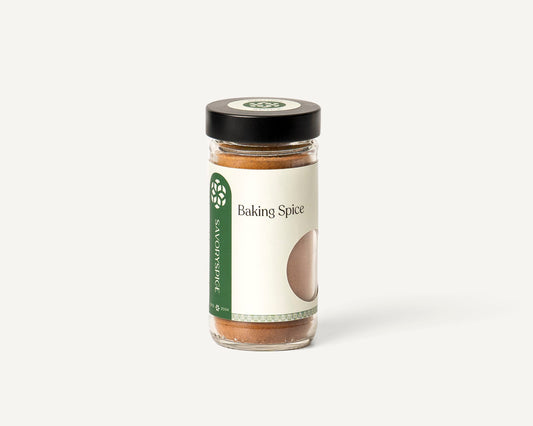
If you'd rather reach for a pre-mixed blend, our Baking Spice combines allspice with cinnamon, nutmeg, and ginger in exactly the warm-spice ratio most baking recipes are already calling for.
Dessert Recipes: Allspice has an affinity for coconut that shows up across Caribbean dessert traditions. The warm spice note plays against coconut's sweetness in a way that neither cloves nor cinnamon alone achieves. Our recipe for classic Coconut Cream Pie highlights this with a teaspoon's dusting of Ground Jamaican Allspice into the graham cracker crust alongside shredded coconut. It's a thin layer of spice at the base of the pie that gives the whole thing a subtle Caribbean warmth underneath the cream filling, and a finishing touch that changes the character of what would otherwise be a straightforward Southern dessert.
When do you use whole allspice berries vs. ground allspice?
Whole Allspice Berries are the right choice when allspice is doing its flavor work in a liquid over time–simmered, steeped, or strained out before serving. The berries release their aromatic oils slowly and steadily into broths, brines, and syrups, producing a rounder, less aggressive flavor than ground allspice delivers when added directly. Pickling brines, mulling spice blends, and jerk marinades all call for whole berries for this reason.
Our recipe for Allspice-Bay Simple Syrup steeps 1 Tbsp of Jamaican Allspice Berries with California Bay Leaves in a sugar syrup, letting the berries infuse their warm-spiced complexity into a versatile base that works in cocktails, vinaigrettes, and fruit-forward drinks. Left in the container after straining, the berries continue to develop the syrup's flavor over time.
Simple Syrup: Allspice-Bay
Recipe by Savory Spice Test Kitchen
Great to pair with fruity flavors in cocktails and vinaigrettes!
Ground Allspice is what to reach for in baked goods, desserts, dry rubs, sauces, and any application where the spice needs to incorporate completely into the dish. It blooms quickly in butter or oil at the sauté stage–just a teaspoon stirred into the fat before vegetables or aromatics go in–and it blends evenly into doughs and batters in a way that whole berries can't. For chili and braises where it goes into liquid, ground allspice seasoning integrates fully and quickly; whole berries would require simmering time and straining to achieve the same effect.
What can you substitute for allspice?
If you have whole berries but a recipe calls for ground, the conversion is straightforward: 5 to 6 berries equals approximately 1/2 teaspoon of ground allspice.
But the answer is that no single spice is a perfect substitute for allspice. Allspice's character comes from the particular combination of aromatic compounds in a single berry, and it's something you can approximate but not exactly replicate by mixing other spices.
The closest DIY substitute is equal parts Ground Cinnamon, Ground Cloves, and Ground Nutmeg, mixed together. This covers the main flavor range and works well in both baking and savory applications. Some recipes also add a pinch of Ground Ginger to the blend for the fourth note. Use the same total amount as the allspice called for.
For savory dishes like stews, chili, marinades, Ground Cloves alone can substitute in a pinch, since the eugenol in cloves is the dominant compound in allspice. Use about half the amount, as cloves are more pungent and less forgiving in quantity. A small amount of Black Pepper can also help round out the heat if cloves alone feel one-dimensional.
For Caribbean dishes that call for whole allspice berries and the smoke from allspice wood, there's no real substitute. The whole-berry/wood combination is specific to that cooking tradition, and the flavor it produces is the flavor of authentic jerk.