Freshly minced Garlic has a sharp, pungent heat that can quickly punch up a dip, sauce, or dressing. Roasted whole, it turns sweet and almost buttery—a completely different ingredient. Dehydrated into a powder, it becomes a concentrated, reliable kitchen workhorse that dissolves into whatever it touches.
In every form, garlic is the aromatic spice that people notice when it's missing more than when it's there. It's the foundation of more cuisines than any other single ingredient in the world, and knowing the difference between your options is what separates bland cooking from food that makes people ask for the recipe.
What Are the Different Types of Garlic Seasoning?
Dehydrated garlic comes in more forms than most people realize, and each one behaves differently in the kitchen. The form determines the texture, the intensity, and when it works best.
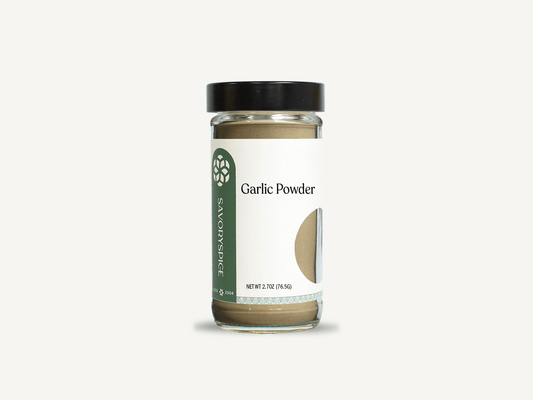
Garlic Powder is the finest grind. Fully dehydrated garlic reduced to a smooth, floury powder. It dissolves seamlessly into marinades, sauces, and spice rubs without any visible texture, and it integrates fast. Garlic powder is the right choice when you want garlic flavor to be present throughout a dish rather than in any specific bite. It's a staple in almost every BBQ rub, chili powder blend, and spice mix we make.
Try it in this recipe: Chinese Five Spice Shrimp Stir-Fry. A quick weeknight stir-fry where garlic powder goes into the sauce base alongside soy, rice vinegar, and honey.
Chinese Five Spice Shrimp Stir-Fry
Recipe by Gracie Smith
Quick-cooking and temptingly fragrant, this stir-fry is your new go-to weeknight dinner.
Granulated Garlic has the texture of coarse cornmeal. It's noticeably coarser than garlic powder. That extra surface area means it releases flavor more slowly and holds up better in longer cooking applications like soups, stocks, and slow-cooked braises. It's also excellent in dressings and dips where a small amount of texture is welcome. Granulated garlic and garlic powder can generally be swapped 1:1, but granulated distributes a bit more evenly when mixed into liquid.
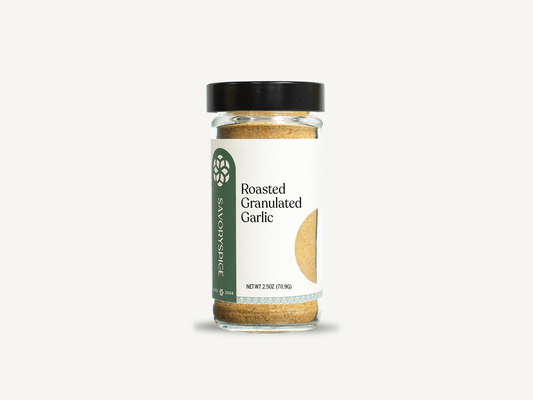
Roasted Granulated Garlic goes through an additional roasting step before dehydration, which develops a deep, slightly sweet, caramelized flavor that standard garlic simply doesn't have. Think of the difference between raw garlic and a whole roasted head. It's the same ingredient, but completely different character. It's what you want in vinaigrettes, tomato sauces, slow-cooked BBQ, and any recipe where you want garlic to contribute warmth and sweetness rather than sharp pungency.
Minced Garlic is dehydrated garlic that's been chopped rather than ground, leaving larger, visible pieces. It's ideal for slow-cooked dishes like soups, stews, braises, marinades where the pieces will soften and mellow as they cook. You can also rehydrate it: soak in warm water for 15 minutes and use it 1:1 in place of fresh minced garlic. For anything quick-cooked, garlic powder or granulated garlic are faster and more reliable.
Try it in this recipe: Chicken Avocado Tortilla Soup. Minced garlic is bloomed directly into the spice base with the other aromatics before the broth goes in.
Chicken Avocado Tortilla Soup
Recipe by Kathi Hoy
Once you have all the ingredients ready this recipe comes together really fast. It has a kick of heat that can be...
What is the Difference Between Garlic Powder and Garlic Salt?
Garlic powder is pure dehydrated garlic–nothing else. Garlic Salt is a blend of salt and garlic, used when you want both seasoning and garlic flavor in a single step. The more interesting question is which garlic salt to use. Most commercial garlic salts are just garlic powder stirred into table salt, which produces a flat, one-dimensional result.
Ours is different: we blend both regular granulated garlic and roasted granulated garlic together with sea salt. The granulated garlic delivers the sharp, forward garlic punch; the roasted granulated garlic adds depth and a mellow sweetness that lingers. That layering is what makes people reach for it again. It tastes like garlic that's actually been cooked, not just sprinkled.
Garlic salt is at its best as a finishing seasoning, added at or near the end of cooking on proteins, potatoes, eggs, pasta, garlic bread, and vegetables. Because it contains salt, factor it into your overall sodium intake when using it in sauces or marinades where you're also adding other salty ingredients.
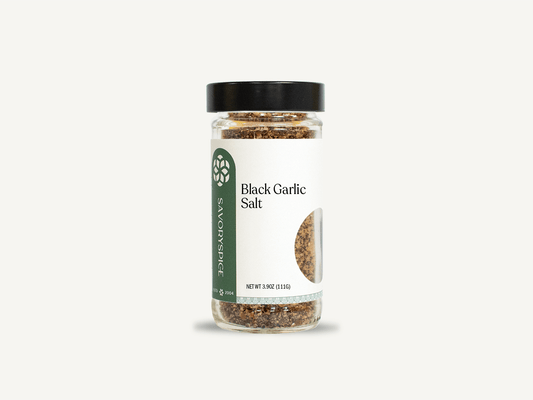
Black garlic is regular garlic transformed through a month-long fermentation process. It's held at controlled low heat and humidity until the cloves turn jet black, soft, and almost syrupy. The pungent heat disappears entirely, replaced by something closer to fig, balsamic vinegar, and molasses.
It's not a substitute for garlic powder or fresh garlic; it's its own ingredient, with a deep umami richness that belongs in a different set of dishes altogether. For the full guide on how it's made, how to cook with it, and what it pairs with, see Behind the Seasoning: Black Garlic.
We carry black garlic products it in three different forms:
Black Garlic Bulbs (domestically grown, two-bulb sets, no additives. Use the cloves wherever you'd want a fig-like, demi-glaze depth).
Beyond the individual garlic products, several of our blends put garlic front and center in ways that deserve their own mention.
Garlic Chile Crunch is a our take on chili crisp. It's got all the bold, crunchy, garlicky heat, without the oil. Built around warm red and green chiles, roasted garlic, and crushed red pepper, balanced with a hint of sweetness. Sprinkle it over noodles, rice, eggs, roasted vegetables, or proteins anywhere you'd normally drizzle chili crisp oil but want something you can shake directly from the jar or cook with.
Hidden Cove Lemon Garlic Blend started as a rethinking of the classic lemon-garlic combination and ended up somewhere more interesting. We took the familiar pairing and gave it a Caribbean character: turmeric, allspice, and ginger layered in behind the lemon peel and garlic, adding warmth and earthiness without any heat. Mild and versatile, it's equally at home on chicken and fish as it is on roasted vegetables. Fire on the Mountain uses it on their signature lemon garlic wings.
Light, flaky trout meets bright citrus, garlic and ginger—simple ingredients with big flavor. Whether it’s fresh from the lake, river, or the local market, toss it on the grill and let summer shine.
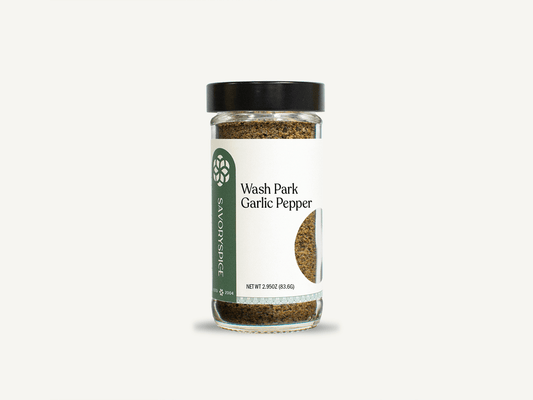
Wash Park Garlic Pepper is a Founders' Favorite named for Washington Park, one of Denver's most beloved neighborhoods—an "all-purpose" park that inspired an all-purpose seasoning. Built on black pepper and garlic, rounded out by shallots, lemon peel, red and green bell peppers, parsley, onion, and turmeric. The founders actually credit the shallots, not the headliner ingredients, as what elevates it from good to great.
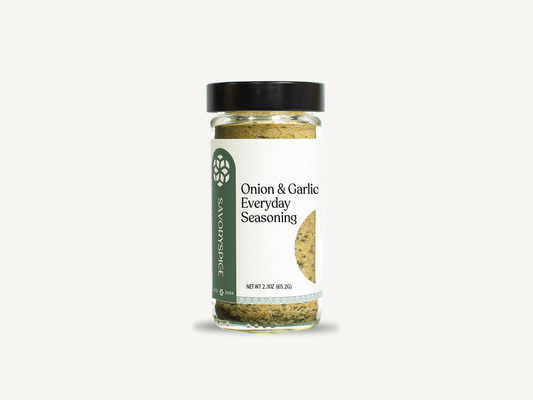
Onion & Garlic Everyday Seasoning is a salt-free blend of white onion, roasted garlic, and minced green onion. It's built around the go-to onion-to-garlic ratio our founders landed on after years of cooking from every kind of recipe. Containing no salt means it works as a rub base, a low-sodium finishing seasoning, and a reliable sprinkle for anything that needs a savory lift without added saltiness.
Try it with this recipe: Onion & Garlic Bread Biscuits. Flaky buttermilk biscuits with all the flavor of garlic bread folded in. The kind of thing that gets passed around the table until it's gone.
Add it early for depth, late for brightness. Garlic powder or granulated garlic bloomed in oil or fat at the start of cooking becomes part of the dish's underlying flavor. It's mellow, integrated, and hard to trace. Added at the end, it reads as a distinct, fresher garlic note. Both are useful; the timing depends on what you want.
Don't burn it. Garlic scorches faster than almost any other spice, and burned garlic turns bitter in a way that's nearly impossible to fix. In a dry pan, don't let it sit for more than 30-60 seconds before adding fat or liquid. In a marinade or rub going on the grill, the fat and moisture in the protein protect it. That's much more forgiving.
Fat helps. The richness of butter, oil, or meat fat rounds out garlic's natural sharpness and carries its flavor through the dish. In a very lean preparation, use a lighter hand and taste as you go.
Roasted garlic is sweeter. If a dish is coming out too sharp or too aggressively garlicky, try swapping some of the regular garlic powder for roasted granulated garlic. The sweetness balances the punch.
How Much Garlic Powder Equals a Clove?
One garlic clove equals approximately: ⅛ teaspoon of garlic powder, or ¼ teaspoon of granulated garlic.
The conversion isn't intuitive because a clove looks like a lot, but dehydration concentrates the flavor significantly. A recipe calling for 4 cloves of garlic translates to about ½ teaspoon garlic powder, and you can always start a little under and add more, since you can't take it back.
For minced garlic: one rehydrated tablespoon of dried minced garlic is roughly equivalent to one medium clove of fresh minced garlic.
What Can You Substitute for Garlic?
The different forms of garlic can substitute for each other with adjustments. Garlic powder and granulated garlic are essentially interchangeable at the same quantity; roasted granulated garlic adds sweetness that plain garlic powder doesn't.
If you're completely out of garlic, the closest shelf-stable option is Asafoetida (Hing)—a ground resin from giant fennel, widely used in Indian cuisine as a garlic and onion substitute. It has a pungent, sulfurous smell straight from the jar (it's earned the nicknames "Devil's Dung" and "Stinking Gum"), but cook it in oil or fat for 30 seconds and it transforms into a deeply savory, allium-like flavor that reads as onion and garlic without using either. It's especially useful for anyone cooking for guests with garlic or onion intolerances. Use just a pinch. It's much more concentrated than garlic powder, and too much tips into bitter territory.
Fresh shallots and chives bring a similar allium character in milder preparations, though neither replaces garlic's depth in a cooked dish. For more detailed information on how to substitute for garlic when you don't have any, check out Spice Swaps: Garlic.