There is a jar in your cabinet that gets opened once a year, some time around the third week of November, and then goes back on the shelf for another eleven months. It is almost always Poultry Seasoning.
That is a shame, because poultry seasoning is not just a spice for Thanksgiving or the holiday season. It is a sage-forward herb blend, and sage belongs on roast chicken, in a pot of chicken noodle soup, and in the flour you dredge fried chicken all year round.
What is poultry seasoning?
Poultry Seasoning is typically a dried blend built on what old cookbooks called sweet herbs: sage, marjoram, thyme, and savory. "Sweet" was the term for the soft, aromatic herbs, as opposed to the bitter or pungent ones, and those four have been going into roast birds and their stuffing for a few hundred years.
The blend exists because that combination is a nuisance to assemble from scratch every time.
Four to six herbs, measured separately, each in a different jar, and then you still have to chop or crumble them fine enough to distribute through a pan of stuffing. Poultry seasoning is that work already done.
Why these herbs and not others. Chicken and turkey are mild, lean proteins, and they need herbs that assert themselves without taking over. Sage does that better than almost anything: it is resinous and faintly bitter, which cuts through fatty skin and rich drippings rather than getting buried in them. It also survives a long roast. Basil or dill in a bird that spends three hours in the oven will fade to nothing, while sage holds and even deepens.
Rosemary and thyme are in there for the same reason, both woody herbs that take heat. The onion, garlic, ginger, coriander, and allspice sit underneath as the aromatic and warming layer, which is what keeps the whole thing from tasting like a fistful of dried sage.
You will also see it sold as stuffing seasoning or stuffing spice, which is the same blend under a different name. Depending on where you grew up you may call the dish stuffing or dressing, and this is the jar for both.
What does poultry seasoning taste like?
Here is the strange thing about this blend: you have tasted it hundreds of times without buying it once.
It is the flavor in boxed stuffing mix. It is what a grocery store rotisserie chicken smells like from three aisles away. It is in canned chicken soup and most store-bought gravy.
So Poultry Seasoning does not taste like chicken or poultry persay. It tastes like the idea of roast chicken, which is a much more useful thing to have in a jar. Add it to something and that something reads as a roast dinner, whether or not there is a bird involved.
The notes themselves: herbal and savory up front, peppery in the middle, with a low sweet-spiced warmth from the ginger, allspice, and coriander. A slight bitterness runs underneath all of it, and that is the sage, which is doing what bitterness always does in cooking, keeping the rich parts from feeling heavy.
Sage is the flavor you will actually name if someone asks. It is also why a spoonful of this in July can genuinely startle someone, because that particular smell is wired directly to November for most people.
What spices are in poultry seasoning?
Rubbed Sage is the backbone. Rubbed rather than ground means the leaves are crumbled into a light, fluffy texture rather than milled to powder, which keeps the flavor softer and less dusty in a blend like this.
It reads like a long list, but each one is doing something, and the balance is what separates a good poultry seasoning from a jar that just tastes like sage.
Most commercial poultry seasonings are not salt-free, which matters more than it sounds for one specific reason: stuffing.
Stuffing already gets salt from the bread, the stock, and usually the sausage. When your seasoning brings its own salt on top of that, you lose the ability to control the total, and the fix is always the same. People under-season to avoid over-salting, and the dish ends up bland instead.
A salt-free blend of poultry spices lets you use as much seasoning as the dish needs and salt separately to taste. That is the whole argument, and it is why this one is worth having even if you already own a jar of something similar.
How much poultry seasoning should you use?
For stuffing, dressing, or croutons, start with half a teaspoon to one teaspoon per cup. If you are making the cornbread or bread from scratch and seasoning it at that stage too, use less in the stuffing itself so it does not stack up.
As a rub on chicken or turkey, cover the surface rather than measuring. As a general rule for anything else, a sprinkle goes further than you expect, because sage gets assertive quickly.
The One Thing to Check First: Open the jar and smell it before you cook. Poultry seasoning is the blend most likely to have been sitting since last Thanksgiving, and dried herbs fade faster than ground spices because there is more surface area exposed to air. If it smells faint instead of sharp and green, it will not season anything no matter how much you use. That is the single most common reason holiday stuffing or dressing tastes flat.
What do you use poultry seasoning on?
The name points at chicken and turkey, and that is where to start, but sage, thyme, and rosemary are cool-weather cooking flavors rather than holiday-only ones. These are the ones worth reaching for it on.
Roast Chicken
This is the everyday use and the best argument for keeping the jar within reach. Rub it over the skin with oil or softened butter before roasting and the herbs toast as the bird cooks. Instant Pot Roast Chicken is the weeknight version and it does not lose anything for being fast.
Poultry seasoning belongs in almost any chicken soup, because it is doing the work of five separate herb jars you would otherwise be measuring one at a time. It is also the shortcut to the flavor people associate with chicken and dumplings.
It even works in cream soups too, where the herbs cut through the dairy and keep a rich soup from going heavy. Sweet Potato Cider Bisque is the best example of that on our site.
Sweet Potato Cider Bisque
Recipe by Jennifer Spengler
Our classic Poultry Seasoning adds a familiar flavor to this sweet-spiced, creamy soup.
Most fried chicken leans on paprika and cayenne, which handles color and heat but leaves out the herbal layer entirely. Poultry seasoning is what fills that gap, and the place to put it is the dredge, not the surface, so the flour itself is seasoned rather than the outside of the crust.
Crispy Air-Fryer Chicken Tenders is the recipe to run it in. It calls for four tablespoons of seasoning split between the buttermilk soak and the flour, and poultry seasoning works in place of the fried chicken blend if you want the sage-and-thyme version instead of a peppery one.
Crispy Air-Fryer Chicken Tenders
Recipe by Savory Spice Test Kitchen
Crispy, juicy fried chicken that skips the deep fryer but keeps all the flavor. The golden crunch you love, with less...
Easy Baked Chicken Fingers is the oven version and the better weeknight option. The seasoning goes into the buttermilk marinade and again into the dipping sauce, so swapping poultry seasoning in changes both at once. Toasting the panko in butter before it ever touches the chicken is the step that makes baked tenders taste fried.
Poultry seasoning takes smoke better than most herb blends, because sage is sturdy enough that it does not turn bitter over three or four hours the way a delicate herb would. Season under the skin as well as over it, since that is where it actually reaches the meat.
Smoked Turkey is built to take whatever seasoning you want at roughly a teaspoon per pound, so poultry seasoning slots straight in. It is the traditional choice among the options, and worth considering if the rest of your table is already leaning barbecue.
Smoked Turkey
Recipe by Savory Spice Test Kitchen
Whether it's Thanksgiving or the middle of summer, smoked turkey is always a crowd pleaser. You can season a smoked...
Because ours is salt-free, it also layers cleanly over a brine or a salt-and-pepper base without stacking up sodium, which matters on a bird spending hours in a smoker. If you want the bird to cook faster and more evenly, Spatchcock Turkey uses the same seasoning logic with the backbone removed so it lies flat.
Yep, aside from poultry, sage and pork is one of the oldest pairings in cooking, and this blend is a shortcut to it. It is the base of our Frying Pan Pork Sausage Spice Blend, which turns plain ground pork into breakfast sausage at a tablespoon per pound.
Frying Pan Pork Sausage Spice Blend
Recipe by Savory Spice Test Kitchen
While this spice blend is no longer available to purchase online, this recipe lets you recreate it at home! Perfect for...
Sprinkle it on before roasting rather than after, so the herbs toast in the oil instead of sitting raw on the surface. Red-skinned potatoes and winter squash both take it particularly well, since sage against something sweet and starchy is the same logic that makes it work on a bird.
Sage & Roasted Squash Risotto is the recipe that settles the question of whether this jar has a life outside November.
If you are mid-recipe and the jar is empty, sage is the substitution that matters most. Sage alone gets you most of the way there, and sage plus thyme plus marjoram gets you close to the real thing.
To mix your own, combine sage, thyme, marjoram, rosemary, granulated onion, granulated garlic, black pepper, parsley, ground coriander, and a pinch of allspice and Greek oregano. Sage should be roughly double any other single herb. A few seconds in a spice grinder pulls it together into an even texture.
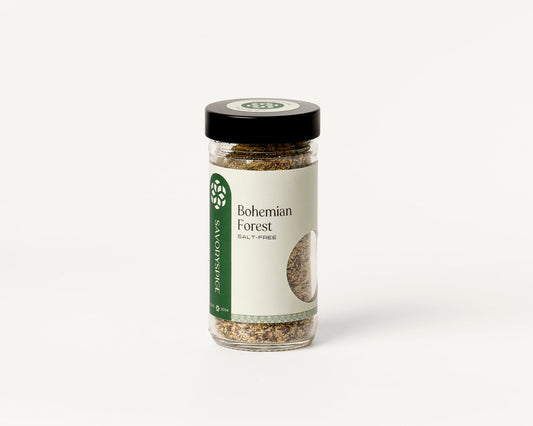
Two of our blends also work in a pinch, since they share the herbal profile and the same general uses. Nantucket Herb & Citrus Rub is the closer match on herbs with citrus added, and Bohemian Forest brings rosemary, thyme, and sage with mustard and lavender behind them.
What recipes can I make for Thanksgiving using poultry seasoning?
Stuffing (or Dressing)
This is what the blend was built for, and the ratio is the same across all of it: half a teaspoon to a teaspoon per cup of bread.
Sage and Savory Stuffing came to us from Mary, our co-founder Mike's mother, and the cranberries and carrots in it give you color and a little sweetness against all that sage. Adjust or leave them out depending on your table.
Sage and Savory Stuffing
Recipe by Mary Johnston
This essential holiday dish draws on a blend of traditional sage and a peppery herb called summer savory for...
Cornbread Stuffing is the Southern side of the argument, and the bigger of the two if you are cooking for a crowd. Twelve servings out of three pounds of cubed cornbread, with red and green bell pepper, celery, onion, green onion, and two tablespoons of garlic in the base, plus cayenne and smoked paprika, which is not a combination you find in a traditional New England stuffing.
Two things about it are worth stealing even if you make a different recipe. The vegetable base cooks for a full thirty minutes rather than the five or six most recipes call for, so the peppers and onions go genuinely soft and sweet instead of staying crunchy in the finished pan. And the broth gets whisked with eggs before it goes in, which sets into a light custard and holds the whole thing together without turning it to paste.
It also makes a neat case for the blend. The recipe has you measure thyme and sage separately, one teaspoon each, which is precisely the step poultry seasoning eliminates. Swap in a tablespoon of the blend for both and you get the same herbal base with the marjoram, savory, and oregano behind it. Fold gently when you combine, since the point is to coat the cornbread rather than break it down.
Same idea, smaller scale: Sage and Savory Croutons use the identical ratio on stale bread and turn it into something worth putting on a salad. This is the use that convinces people the jar is worth keeping in reach year-round, because croutons are not a November thing.
Holiday Stuffing Arancini is the best thing to do with what is left in the pan. Leftover stuffing or dressing rolled, breaded, and fried into crisp balls, served with spiced cranberry sauce.
Holiday Stuffing Arancini with Spiced Cranberry Sauce
Nobody is going to talk you out of pulling this jar out for Thanksgiving. That is what it was built for and it does that job better than anything else on the shelf.
The argument is just that November should not be the only time you see it.
Make the chicken noodle soup in January. Put it in the dredge next time you fry chicken. Rub it on a pork loin on a Sunday. Do that and the jar never sits long enough to go quiet, and you never find yourself smelling a faded blend the morning you actually need it.