Ribs are a commitment. Low and slow, the smell of smoke, the moment you finally pick up the rack and it bends—that's not an accident. It's hours of good decisions that started before the fire was ever lit.
The rub is where most of those decisions live. A great rib rub doesn't just flavor the surface; it builds bark, draws moisture, caramelizes into something that clings to the bone. Plus, the right blend for baby backs is not the right blend for a 4-pound plate of beef short ribs. A Memphis dry rub that works brilliantly on a St. Louis spare rib would be wasted on Asian-inspired pork ribs glazed with hoisin.
This guide on rib rubs covers what you actually need to know: the cuts, the technique that separates good ribs from great ones, the American regional styles & the BBQ rubs built to match them, and the global traditions that expand what ribs can be. By the end, you'll have a full picture of the rub shelf, and a clear sense of which bottles belong on it.
Know Your Cut of Ribs
The type of rib cut determines everything else: cook time, method, texture, and which rub will do it justice. Getting this right before you do anything else is the most important 30 seconds of the process.
Baby Back Ribs
Baby backs are the most popular rib in the US for good reason. Cut from the upper rib cage where the ribs meet the spine, they're shorter, leaner, and more tender than spare ribs, and they cook faster. A rack of baby backs typically weighs between 1.5 and 2.5 pounds and takes 4 to 5 hours at 225°F.
Because they're leaner, baby backs are more forgiving with rubs that have higher sugar content. The fat cap is thin enough that sugar-forward blends caramelize cleanly without burning. They also work well with the 2-2-1 method (more on that below), which gives them enough time to render without drying out.
Spare ribs come from the belly side of the rib cage, below the baby backs. They're larger, heavier (typically 2.5 to 3.5 pounds a rack), fattier, and more flavorful. They do take longer to cook, usually 5 to 6 hours at 225°F. Raw spare ribs include the sternum, cartilage, and the flap of meat (the skirt), which can be trimmed.
St. Louis-style spare ribs are spare ribs that have been trimmed into a more uniform rectangular shape by removing the sternum bone, cartilage, and the skirt. The result is a more even cook and a better-looking rack. Most of the spare rib recipes in this guide assume St. Louis-style trim.
Rib tips are the cartilage-and-meat sections cut from the bottom of the spare rib when it's trimmed to St. Louis style. They're small, chewy, and deeply flavorful — a staple at Chicago South Side barbecue joints, where they're smoked and then chopped to order. If you've never had a properly smoked rib tip, you're missing one of the great BBQ experiences.
Here's a practical note worth knowing: spare ribs and St. Louis-style ribs are the same rack — the St. Louis cut is just sold with the rib tips (sternum) and flap already removed, which is why it typically runs more than a dollar per pound higher.
The trim itself takes about two minutes. Buy the spare ribs, do the trim yourself, and you get the St. Louis rack and the tips. Savory Spice co-founder Mike Johnston breaks down exactly how to do it: → How to Smoke Rib Tips: Chicago-Style BBQ Guide
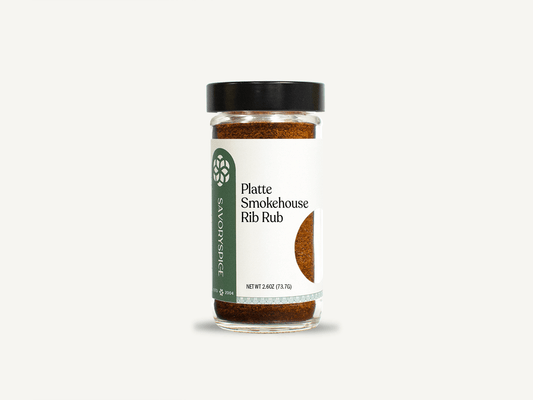
For Rib Tips, Start Here: Platte Smokehouse Rib Rub— the Memphis-style standard for rib tips, smoked low and slow and chopped to order.
Beef short ribs — specifically 4-bone English-cut short ribs or plate short ribs — are a different animal entirely (literally). They're massive, marbled, and require a longer cook: typically 8 to 10 hours at 225°F to break down the connective tissue and render the fat properly. The payoff is extraordinary: a thick bark on the outside, brisket-like texture on the inside, and enough surface area to show off a bold rub.
Beef ribs demand rubs with strong savory backbone. High-salt, pepper-forward blends with herbs and smoke notes outperform sugar-heavy pork rubs on beef — the fat content does the caramelizing work, and you want the seasoning to amplify the beefy richness rather than mask it.
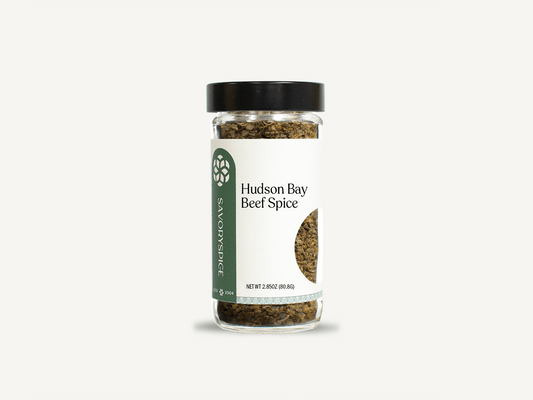
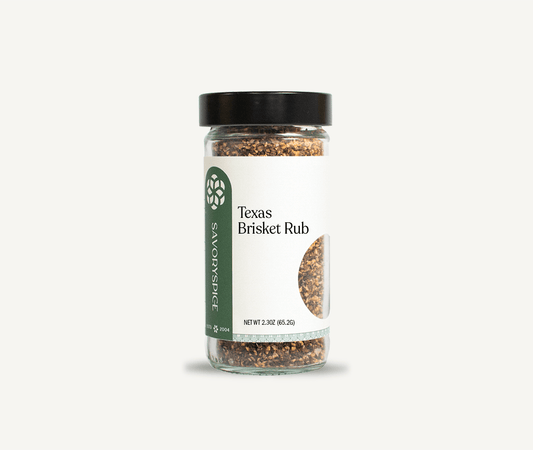
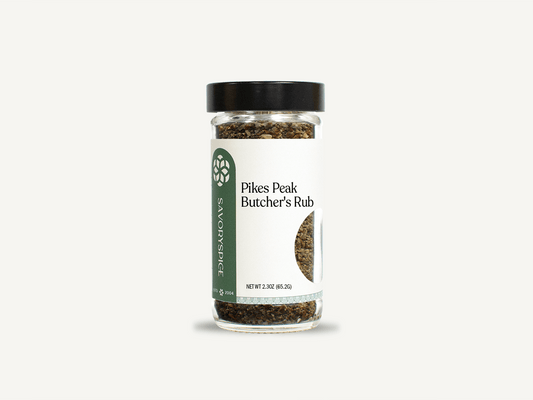
For Beef Short Ribs, Start Here: Texas Brisket Rub— extra coarse black pepper built specifically for beef bark on long smokes, and explicitly recommended for beef ribs.Hudson Bay Beef RubandPike's Peak Butcher's Rubare strong alternatives if you want a more Montreal-style or garlic-pepper crust.
Before You Season: Rib Rub Technique That Actually Matters
Rubs get the credit, but technique does the heavy lifting. These are the steps — and the decisions — that determine whether you hit the wall or bite through it.
Remove the Membrane
The membrane (silverskin) on the bone side of a rib rack doesn't render, doesn't absorb smoke, and doesn't break down the way connective tissue does. It turns into a tough, papery barrier that keeps seasoning out and moisture in. Remove it before you rub, every time.
Slide a butter knife or the back of a spoon under the membrane at one end of the rack, grip it with a paper towel for traction, and pull. It usually comes off in one piece. If it tears, work in sections.
Dry Brine Before You Rub
If time allows, apply your rub — or just salt — the night before, leave the rack uncovered in the refrigerator, and let it sit. The salt draws out surface moisture, dissolves in it, and gets reabsorbed into the meat. The result is seasoning that penetrates deeper and a drier surface that takes smoke and develops bark more readily. Even two to four hours makes a difference.
Build Bark with a Binder — and Give It Time
Bark is the deeply flavored, slightly crispy crust that forms on the outside of smoked ribs. It's the best part of the rack. Building it requires two things: a dry surface that allows the rub to adhere without sliding, and enough time at the right temperature for the sugars and proteins to set.
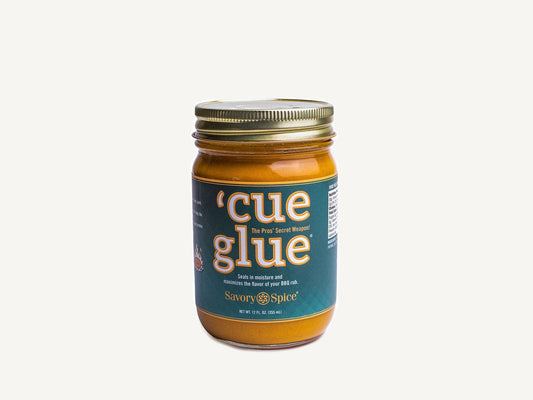
'Cue Glueis designed specifically for this. It's a natural binding agent — thin enough to brush on evenly, sticky enough to hold the rub in place through the first few hours of the cook when the meat sweats and rubs tend to slide. Apply a thin coat, press the rub in firmly, and let it sit before it hits the smoker.
One bark tip that's easy to overlook: resist the urge to spritz too often in the first two hours. Spritzing cools the surface and washes away the rub layer that's starting to set. Let the bark form before you introduce any moisture.
The 3-2-1 method is the most widely used framework for smoking pork ribs, and for good reason — it consistently produces tender, fall-off-the-bone results.
3 hours unwrapped in the smoker at 225°F, exposed to smoke, building bark
2 hours wrapped in foil or butcher paper with a small amount of liquid (apple juice, butter, honey, brown sugar), continuing to cook in its own steam
1 hour unwrapped, back on the smoker, firming the bark and optionally glazing with sauce
The 2-2-1 method follows the same logic but is better suited to baby backs, which are leaner and cook faster. The shorter initial and final stages prevent them from overcooking.
Foil vs. Butcher Paper
This is a legitimate debate with real trade-offs. Foil creates a tighter seal, traps more steam, and produces softer, more pull-off-the-bone results. Butcher paper breathes slightly, which means the bark doesn't soften as dramatically — the ribs come out with more chew and a firmer exterior.
If you want competition-style soft ribs: foil. If you want ribs with bite and more bark presence: butcher paper. Neither is wrong — it depends on the style you're going for.
Hot & Fast vs. Low & Slow
Low and slow (225°F to 250°F) is the traditional method for a reason: connective tissue needs time at low heat to break down into gelatin. Rush it and you get tough, chewy ribs even if the internal temperature looks right.
Hot and fast (300°F to 325°F) is a legitimate approach for spare ribs — particularly St. Louis-style — when you're working with a shorter window. The higher temperature renders fat and breaks down collagen faster. The trade-off is a slightly smaller window between done and overdone, and less smoke ring development. With a well-built rub and the right foil timing, hot and fast ribs can be excellent.
When to Use Sauce
Sauce goes on late — the last 15 to 30 minutes of the cook, unwrapped and back on the heat. Apply it earlier and the sugars in the sauce will burn before the ribs are done. Apply it late and it caramelizes and sets into a lacquered glaze. Brush a layer on, let it tighten for 10 minutes, brush again. Two coats is plenty.
American BBQ Rib Styles
American barbecue developed in regional pockets, each with distinct traditions for cut, seasoning, smoking wood, and finish. These aren't just aesthetic variations, the rub profiles reflect fundamentally different theories of what a great rib should taste like.
Memphis Style: The Dry Rib Capital
Memphis barbecue centers on the dry rib—ribs that are seasoned with a spice rub and smoked without sauce, served as-is or with sauce on the side. It's the style that made the world take rubs seriously. The Memphis rub profile is warm and paprika-forward, with a balance of sweet and savory, aromatic with cumin, garlic, and onion but not aggressively spicy.
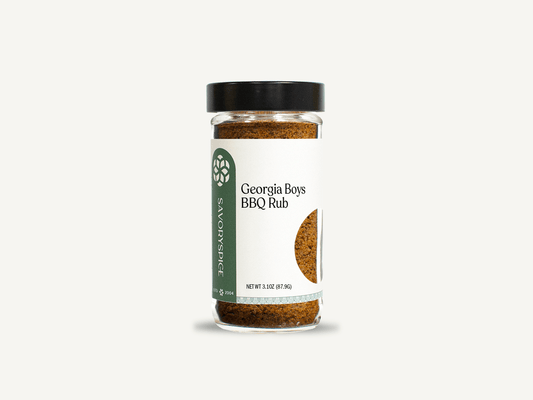
Platte Smokehouse Rib Rub is our closest version of a Memphis-style rub—built on paprika, brown sugar, and warm aromatics, with the balance that makes dry ribs worth eating without sauce. Georgia Boys BBQ Rub brings a bolder, more peppery edge for anyone who wants a little more bite in their bark.
Memphis baby backs are traditionally smoked over hickory. The 2-2-1 method works well; some Memphis pitmasters skip the wrap entirely for a drier, firmer bark—a style worth trying once you've dialed in your smoker.
Memphis Style Dry Ribs
Recipe by Savory Spice Test Kitchen
The sweet and spicy rub might be dry, but these simple, tender, juicy ribs are anything but!
Not every rib cook is an all-day affair. The hot and fast method, spare ribs or baby backs at 300°F to 325°F, produces excellent results in 3 to 4 hours when the rub and timing are right. The style suits a bold, slightly sweeter rub profile that can handle higher heat without burning.
Georgia Boys BBQ Rub and our Kansas City BBQ Rub both work well here. Hot and fast ribs finish with sauce more naturally than dry-style ribs. The caramelization on the surface is part of the appeal.
Hot & Fast Spare Ribs
Recipe by Mike Johnston, Savory Spice founder
This is a backyard grilling method where you cook over direct, high heat. While the backyard enthusiast can’t hit...
St. Louis-style spare ribs are the competition standard for a reason. The trimmed rectangular rack cooks evenly, holds a crust beautifully, and has enough fat content to stay moist through a long cook. The rub approach for St. Louis ribs is typically more complex than baby backs. The extra fat and cooking time can handle more layers.
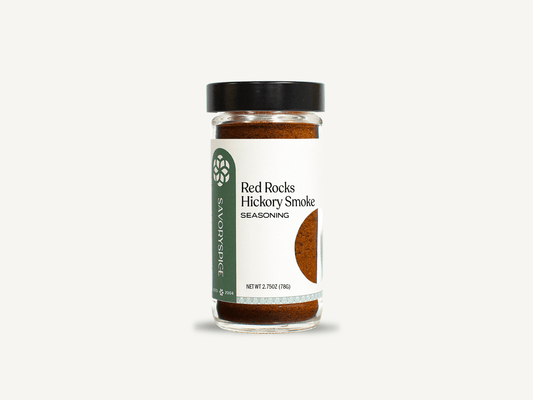
Red Rocks Hickory Smoke Seasoning deserves special mention here. It's a perfect product for this style. The smoked salt base and hickory notes amplify the smoke ring and bark in a way that takes ribs from "very good" to "what did you do differently." It's one of the most versatile seasonings on the shelf for anything going over fire.
The St. Louis recipe linked below demonstrates the full 3-2-1 method and is one of the best reference cooks for building the technique from scratch.
Texas pit culture is built on beef, and nowhere is that more apparent than a plate of beef short ribs — 4 inches of marbled meat over the bone, smoked for 8 to 10 hours over post oak until the exterior is almost black and the inside pulls apart like brisket. This is the most uncompromising style in American barbecue, and it rewards patience.
The rub philosophy for Texas beef ribs is restraint. Salt, pepper, and smoke do most of the work — the beef does the rest. Avoid heavy sugar; it competes with the fat rendering and creates the wrong kind of crust.
Our newest rub for this style is Texas Brisket Rub — extra coarse black pepper as the foundation, with garlic, onion, and warm earthy notes built specifically for developing bark on long beef smokes. Savory Spice co-founder Mike Johnston developed it after two weeks eating his way across Texas on his Chasing BBQ trip, then smoking 50+ briskets at home to get it right. It's recommended directly for beef ribs on the product page, and it delivers. Hudson Bay Beef Spice is a strong alternative with a more Montreal-style savory profile, and Pike's Peak Butcher's Rubadds a peppery punch if you want more bite on the crust.
Texas-style beef ribs don't typically get sauced — but if you're going to put anything on the table, Black Dust Coffee & Spice BBQ Sauce is the right call. The coffee, cocoa, and chipotle notes echo the deep, smoky bark without sweetening it.
Carolina barbecue covers a wide range — Eastern North Carolina leans on thin vinegar-pepper sauce, Western NC adds a little ketchup and sweetness, and South Carolina has a mustard-based tradition that makes Midwesterners do a double take before they become converts.
What Carolina-style ribs share is a preference for tangy, acid-bright flavors over sweet-molasses profiles. The smoke is typically lighter; the finish is sharper. Western Carolina BBQ Rub captures that vinegar-forward profile in dry rub form, built to pair with a sauce that has actual tang.
For the finishing sauce, Southern Gold BBQ Sauce is the match — a tomato-mustard blend that sits between the two Carolinas, with dijon, cider vinegar, chipotle, and hickory smoke. It's the sauce that makes Carolina-style ribs make sense to someone who grew up eating Kansas City.
Smoked Pork Ribs is our newest rib recipe — it uses a multi-rub approach with Platte Smokehouse, Kansas City, Red Rocks, and Georgia Boys to build a complex spice profile, and includes both foil-wrap and no-wrap variations. A great benchmark cook.
Ribs as a technique — long cook, smoke or indirect heat, fat rendering over time — translates across cultures with remarkable results. These styles are worth having in the rotation.
Asian-Inspired Ribs
Chinese and Korean BBQ traditions approach pork ribs from a fundamentally different angle: the marinades are sweet-savory-umami-forward, often with soy, five spice, ginger, and citrus, and the finish is a glossy lacquered glaze rather than a bark.
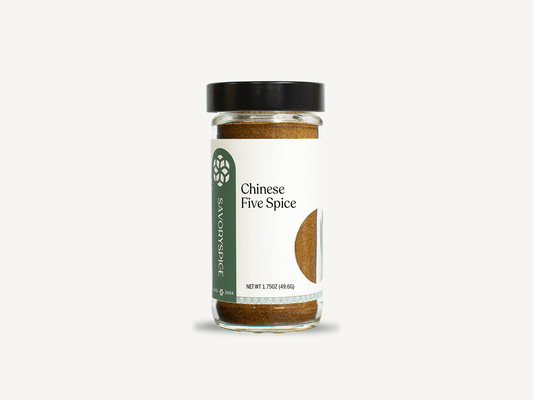
Chinese Five Spice — star anise, Szechuan pepper, fennel, cloves, and cinnamon — is the backbone of Cantonese-style BBQ pork ribs (char siu). The recipe approach is a marinade rub: five spice combined with hoisin, soy sauce, honey, and garlic. The ribs roast at higher heat (325°F to 375°F) for a shorter cook — 2 to 2.5 hours — and get basted repeatedly to build up that characteristic lacquered crust.
Korean-style ribs (which you can make using Korean BBQ Pork) lean on gochugaru, sesame, garlic, and ginger for a bold, slightly spicy profile that works well with both pork and beef short ribs.
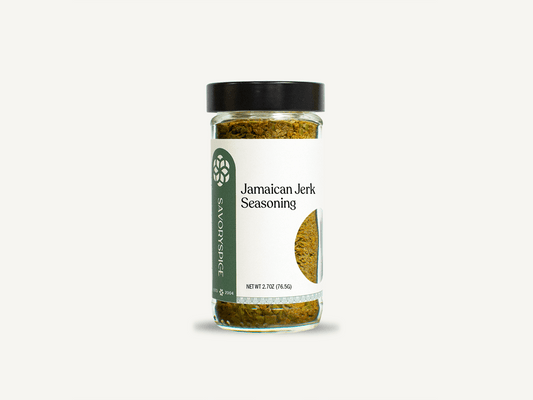
Caribbean rib traditions are built on allspice, scotch bonnet, citrus, and warmth. Jamaican Jerk Seasoning is the anchor for the classic jerk tradition — pork ribs marinated in a jerk paste and slow-smoked or grilled over wood. The flavor is fragrant, complex, and genuinely spicy, with notes of allspice, clove, and scotch bonnet that develop beautifully over a long cook.
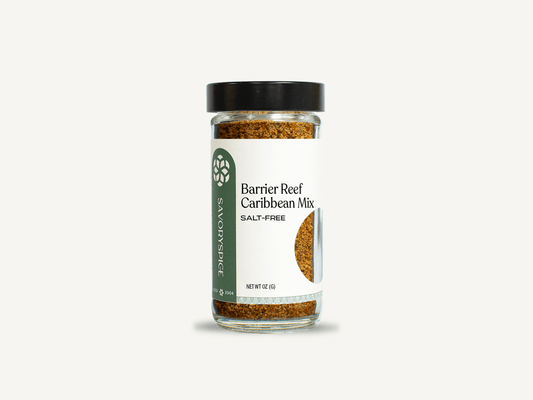
Barrier Reef Caribbean Mix broadens the palette into a brighter, citrus-forward Caribbean profile — ideal for ribs that are cooked low and slow and finished with a fruit-forward glaze. Caribbean Green Jerk Seasoning takes cues from Barbadian cuisine with a savory herb-and-pepper blend that's excellent as a wet rub on pork shoulder or spare ribs before a long braise. La Plata Peak Adobo Spice adds a Latin Caribbean angle — garlic, oregano, cumin, and citrus — for a rub that works beautifully on spare ribs going into a Dutch oven or a slow cooker before a final caramelizing pass over heat.
Our Slow Cooked Caribbean-Spiced Ribs recipe uses both Barrier Reef and Jamaican Jerk together — the result is a layered profile that covers the full range of Caribbean flavor in a single rack.
Sauce is finishing work, not the main event — that's the rib itself. But a well-matched sauce at the end of the cook can bring everything together. Here's how to think about pairing by style.
Midwestern Sweet Barbecue Sauceis the all-purpose sweet-and-tangy choice for the American pork styles — Memphis, St. Louis, and Kansas City. It's built on molasses and tomato, seasoned with Memphis BBQ Rub and a touch of hickory smoke, and it plays exactly the supporting role you want: enhancing the rub without competing with it. Use it in the last 15 to 20 minutes of the cook, brushed on in two passes.
Southern Gold Barbecue Sauce is the call for Carolina-style ribs and any application where you want acid and mustard in the finish. The tomato-mustard balance sits between Western NC and South Carolina styles — tangy enough to cut through fatty pork, but not so sharp it overwhelms the smoke.
Black Dust Coffee & Spice Barbecue Sauce is built for beef. The coffee, cocoa, cumin, and chipotle notes in this sauce mirror what's happening in the bark of a Texas-style beef short rib — it deepens the smokiness rather than adding sweetness. Brush it on lightly, or serve it alongside for dipping.
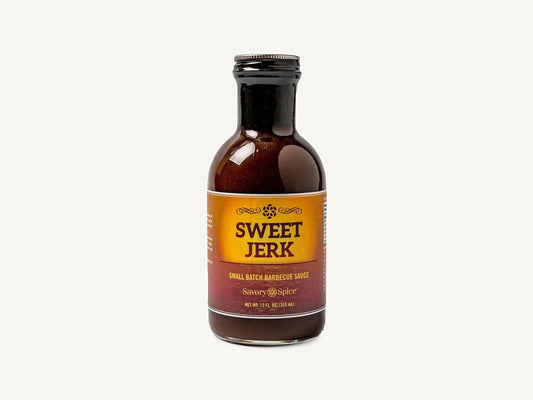
Sweet Jerk Barbecue Sauce is the natural companion to Caribbean-style ribs. It bridges Midwestern BBQ sauce structure and Jamaican jerk spice — molasses and cider vinegar in the base, scotch bonnet and allspice from the jerk seasoning, bright citrus from pineapple and orange juice. The Founders' Notes say it best: dunk smoked rib tips straight into it. That's exactly right.
One more to know about: Piri Piri Pomegranate Molasses BBQ Sauce is a founder original recipe — built on piri piri pepper heat and the sweet-tart depth of pomegranate molasses. It doesn't map to a single rib style so much as it opens a door to something new: try it on Caribbean spare ribs or as a glaze on chicken thighs alongside the ribs when you want something unexpected at the table.