
Middle Eastern Spices & Seasonings





Fresh Flavor Changes Everything
Featured Recipes

Chicken Shawarma Pitas

Lamb Kebabs with Baharat Glaze

Baharat Lentil Stew

Chicken Shawarma Pitas

Lamb Kebabs with Baharat Glaze

Baharat Lentil Stew
What spices define Middle Eastern cooking?
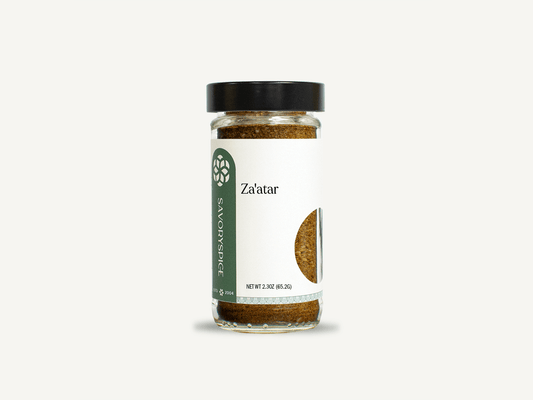
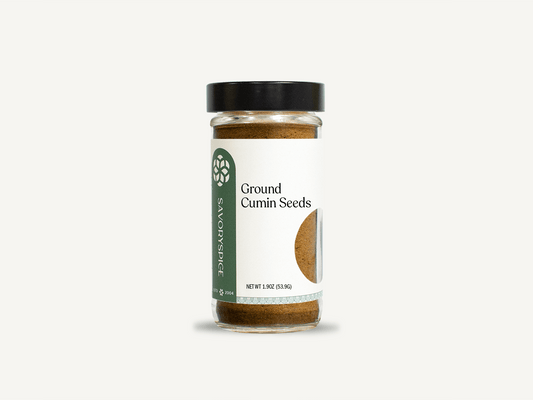
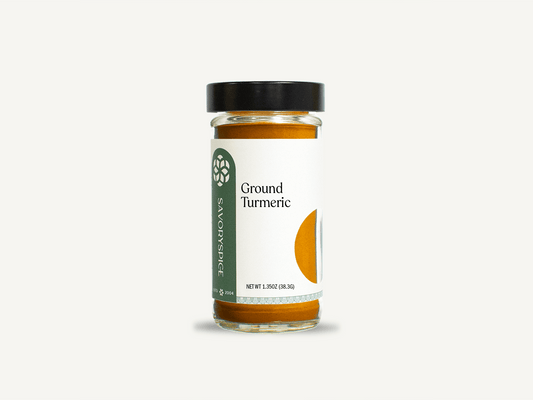
Middle Eastern cuisine often features cumin, coriander, sumac, cardamom, turmeric, saffron, and cinnamon, which create earthy, citrusy, and aromatic layers of flavor. Signature blends like za’atar (herbs + sesame + sumac) and baharat (warm spice blend) are also staples in the region’s dishes.
How do I use blends like Za’atar and Baharat in everyday cooking?
Za’atar: Sprinkle on flatbreads, roasted vegetables, labneh, or olive oil for dipping. Its tangy, herb-forward profile also works well on grilled chicken or grains.
Baharat: Use in meat rubs, stews, rice, and soups for warm, balanced depth. It pairs especially well with lamb, beef, and hearty legumes.
What dishes benefit most from Middle Eastern spices?
Middle Eastern spices enhance a wide range of dishes, including shawarma, falafel, lamb kebabs, rice pilafs, lentil soups, hummus, and roasted vegetables. They help build vibrant, aromatic flavor whether you’re grilling, braising, or seasoning grains.
What’s the difference between sumac and traditional citrus flavors like lemon?
Sumac adds a tangy, lemon-like brightness without liquid, which makes it ideal for dry rubs, dressings, and finished dishes. Unlike lemon juice, sumac doesn’t add acidity that breaks down proteins, it simply contributes aromatic zest and color.
Can Middle Eastern spices be used outside of traditional recipes?
Yes, spices like cumin, cardamom, turmeric, and za’atar can be used in everyday soups, stews, roasted nuts, eggs, popcorn, and grain bowls. They’re versatile flavor boosters that help you explore global taste with familiar ingredients.
*Offer valid online only. Must use code BASKET for $15 off $75+ or $25 off $100+ purchase. Free shipping with purchase of $50+ after discounts, no code needed. Flavor of the Month not eligible with promo code BASKET. Exclusions may apply. No adjustments on past purchases. Cannot be combined with Black Friday rewards, other reward codes, or Loyalty Rewards. Offer expires 11:59 PM MDT, April 5, 2026.
**Must add a jar of Tarragon Shallot Citrus Seasoning to your cart and have an additional $75+ of products, excluding gift cards, in your cart ($50 in-store) to qualify. Offer subject to availability. Cannot be combined with Black Friday rewards, other discount codes, or Loyalty Rewards. Offer expires 11:59PM MDT, April 30, 2026.