Walk into any kitchen that smells good and there's a reasonable chance cinnamon is involved. It's one of the oldest spices in recorded history, traded across continents for thousands of years, and it's still one of the best selling spices today.
But not all cinnamon is the same. The variety you grew up with, the one in most American grocery stores, is a completely different species than "true" cinnamon. The boldest, most intensely flavored type comes from Vietnam. Knowing the differences in cinnamon will change how you bake, what you reach for in savory cooking, and why the old jar in your spice cabinet might be failing you.
What Are the Different Types of Cinnamon?
Cinnamon comes from the bark of trees in the Cinnamomum genus: dried, rolled into sticks, and ground to powder. Three main species account for almost everything on the market, and they taste noticeably different from each other.
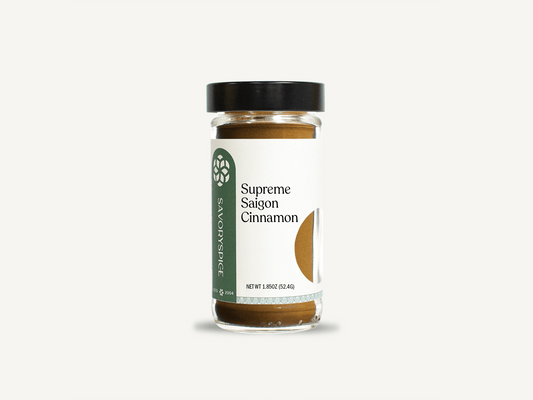
Supreme Saigon Cinnamon is the boldest cinnamon we carry, and the most distinctive. It comes from Vietnam (Cinnamomum loureiroi), and it has the highest oil content of any ground cinnamon, which translates directly to the strongest, most intense flavor. If you've ever had a cinnamon that tasted spicy-warm and almost electric–the kind that reminds you of Red Hots candy–that's Saigon cinnamon.
It's an all-time best seller, and for good reason: the flavor holds its own even alongside strong ingredients like coffee, chocolate, cloves, and allspice, and it outperforms anything you'd find on a grocery store shelf.
For baked goods where cinnamon is the headliner, this is the one. Try it in our recipe for Classic Cinnamon Rolls, where Saigon cinnamon's intensity makes the filling genuinely cinnamon-forward, not just warm and sweet.
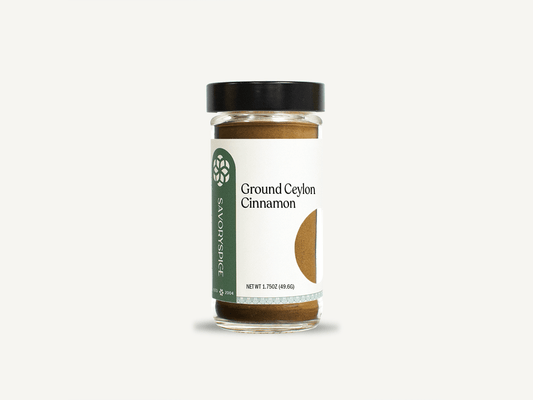
Ground Ceylon Cinnamon is often called "true cinnamon" (or Cinnamomum verum) because it comes directly from the inner bark of the cinnamon tree–the original source–native to Sri Lanka (formerly known as Ceylon). It has the lowest oil content of the three (1-2%), which means a milder, more delicate flavor: lightly sweet, subtly citrusy, almost floral.
Ceylon doesn't punch through the way Saigon does, but it has a complexity that rewards recipes where cinnamon is a supporting note rather than the headline. It's the preferred cinnamon in England, Mexico, and much of Europe, and it's exceptional paired with chocolate. The citrus notes cut cleanly through cocoa in a way that bold cassia can't. It's also great in fruit desserts where you want the flavor of the fruit to stay front and center.
Ground Indonesian Cinnamon is the likely cinnamon most Americans grew up with. It's the one you find in grocery stores, your grandmother's kitchen, or in every pumpkin pie ever made. It comes from Cinnamomum burmanni, grown in Indonesia (also called Korintje cinnamon), and it has the warm, sweet, nostalgic smell that triggers memories of holidays and scented candles.
It's the most approachable and versatile of the three. It's not as bold as Saigon, not as delicate as Ceylon, just reliably classic. And at $6.95, it's also our most affordable cinnamon. Use it in pies, oatmeal, pancakes, curries, and anywhere you want traditional cinnamon flavor without surprises.
When Should You Use Cinnamon Sticks Instead of Ground Cinnamon?
Whole sticks and ground cinnamon come from the same bark but behave completely differently. Ground cinnamon releases immediately and integrates into whatever it touches. Whole sticks release their flavor slowly and are best used when you want to infuse something over time, then remove before serving.
Ceylon Cinnamon Sticks are softer and more layered than Indonesian sticks. They're true cinnamon bark rolled into the delicate quill shape you see in specialty spice shops. Softer texture means they're easier to grate and grind if you want to use them in baking. The mild, citrusy flavor makes them the right choice for beverages, chocolate desserts, and any application where delicacy is the point.
Indonesian Cinnamon Sticks are the thicker, harder cassia sticks most familiar to American kitchens. They're robust, bold, and built for longer simmering. Drop one into hot apple cider or eggnog as a stirrer, add to a curry or tagine, use to flavor homemade simple syrup.
Best Uses for Cinnamon Sticks: hot beverages (think mulled cider, spiced wine, hot chocolate, chai, hot toddies), simmered sauces and braises, poaching liquids, homemade syrups, and slow-cooked dishes where you want aromatic depth without visible cinnamon powder. They also work freshly grated: a microplane, grater, or spice grinder can turn a whole stick into freshly ground cinnamon for baking, which many experienced bakers prefer over finely ground for the intensity of flavor.
What Is the Difference Between Ceylon and Cassia Cinnamon?
Ceylon (Cinnamomum verum) is botanically "true" cinnamon. Saigon and Indonesian are both cassia varieties. They're related species with higher oil content and bolder flavor profiles. Most cinnamon sold in the United States is cassia, not Ceylon.
The flavor difference is real and noticeable: cassia (Saigon and Indonesian) is stronger, warmer, and spicier. Ceylon is milder, sweeter, and more citrusy.
For most baking, cassia varieties are the more satisfying choice because the boldness reads clearly even when cinnamon is competing with sugar, butter, and other spices. Ceylon shines in applications where subtlety is an advantage, such as delicate pastries, beverages, chocolate pairings, and savory dishes where you want warmth without sweetness.
The other distinction that often comes up: coumarin content. Cassia cinnamon contains higher levels of coumarin, a naturally occurring compound that in very large quantities (far beyond culinary use) can affect liver function. Ceylon has significantly lower coumarin.
In normal cooking and baking amounts, this distinction doesn't matter, both are safe. This only becomes relevant for people using cinnamon in very large quantities for health supplementing, for whom Ceylon is typically recommended. For your baking and cooking, use whichever tastes right for the recipe.
What Cinnamon Blends Are Worth Having?
Beyond the individual cinnamons, a few of our baking spice blends put cinnamon front and center in ways that earn a permanent spot in the rotation.
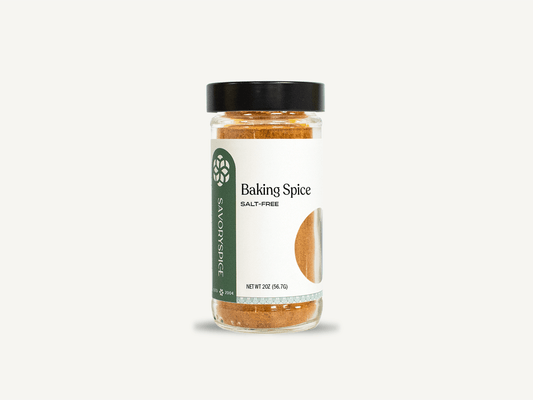
Baking Spice is our classic mixed baking spice blend, with both Saigon and Indonesian cinnamon combined with nutmeg, mace, allspice, and ginger. It's a Founders' Favorite and formerly sold as "Pie Spice," which tells you exactly what it was originally crafted for. The blend is warm, rounded, and more interesting than plain cinnamon because the mace and allspice fill out the middle notes in a way that single-origin cinnamon can't. Use it anywhere you'd reach for cinnamon alone to add a layer of depth, from pies and cakes to waffles, cookies, and oatmeal. For pies and cakes, use 2-3 teaspoons per 9-inch pan.
Cinnamon Sugar is one of the simpler things we make: white sugar blended with both Ceylon cinnamon and Indonesian cinnamon. The Ceylon adds a citrusy lift; the Indonesian brings the familiar, nostalgic flavor everyone grew up with. Together they're better than either alone, and higher quality than any cinnamon sugar you'd mix yourself at home. The right ratio is already done for you. Use it on toast, fruit, oatmeal, pancakes, and anywhere a finishing sweetness is called for.
Try baking with either of these blends in these recipes: Cinnamon Sugar Twists, a layered puff pastry twists that get rolled in cinnamon sugar at every fold and are one of the better things you can make in 45 minutes.
Spiced Vanilla Bean Sugar takes our Vanilla Bean Sugar and adds cinnamon, allspice, mace, and cardamom. We call it a grown-up upgrade on plain cinnamon sugar, with warm spice aromatics and vanilla bean running through everything. Use it to sweeten coffee, tea, or a homemade spiced syrup; substitute it for granulated sugar in baked goods when you want the spice already built in; or sprinkle it over French toast, pancakes, or cereal.
Try it in this delicious recipe: Cinnamon Vanilla Crunch Ice Cream. It's a Saigon-and-Spiced Vanilla Bean Sugar-spiced ice cream with a baked cinnamon crunch mixed in. Summer and the holidays, together in one bowl.
In the United States, cinnamon is almost exclusively thought of as a sweet spice. In most of the rest of the world, it's foundational to savory cooking–in Mexican Mole, Persian rice dishes, Indian curries, Moroccan tagines, and across the entire Middle East. What cinnamon adds to savory food is warmth and background depth that you notice as missing more than as present: a roundness that makes the other flavors more complex without tasting like dessert. The key is restraint. Cinnamon in savory cooking is typically a supporting note, not the feature. Saigon is most common in savory applications because its strength survives the competition of deeply flavored ingredients.
Shawarma Seasoning (Salt-Free) is built around cinnamon alongside coriander, cumin, cardamom, and Aleppo chile. It's the authentic spice profile of spit-roasted Middle Eastern street meat. Cinnamon is the backbone of the blend's warmth; without it, shawarma seasoning would taste flat and one-dimensional. Use it as a dry rub, blend it with yogurt and lemon for an overnight marinade, or mix into ground lamb or beef for kofta.
Tan-Tan Moroccan Seasoning uses both Ceylon and Saigon cinnamon together in a North African-inspired blend with paprika, cumin, cardamom, coriander, ginger, and fenugreek. Named for the city of Tan-Tan in southwestern Morocco, it's the spice to reach for when you want the complexity of Moroccan cuisine. It has a flavor profile where cinnamon, warm spices, and aromatic herbs work together as a cohesive whole rather than competing individually. Season chicken or fish before grilling, stir into rice, mix into hummus, or use on lamb kebabs.
Still not sure how to use it a savory application? Try it on our recipe for Chicken Shawarma Pitas. An oven-roasted chicken recipe with all the flavor of a street vendor's spit, no rotisserie required.
Chicken Shawarma Pitas
Recipe by Michael Kimball, Savory Spice Test Kitchen
Roast chicken on a vertical spit in your own kitchen using just a wooden skewer, an onion, and your oven!
Ras el Hanout translates to "top shelf" or "head of the shop" in Arabic. The idea being that it represents the best of what a spice merchant carries. Our version brings together nutmeg, black pepper, cardamom, mace, cinnamon, allspice, turmeric, ginger, and saffron: the complexity of a whole spice cabinet distilled into one jar. Use it to season rice or couscous, rub on chicken before roasting or slow-cooking, or mix equal parts seasoning, oil, and water into a paste for marinating.
Baharat (Salt-Free) is sometimes called "Lebanese allspice," but "baharat" simply means "spices" in Arabic–which tells you how central it is to everyday Middle Eastern cooking. Built around paprika, Lampong peppercorns, and Indonesian cinnamon alongside coriander, cumin, cloves, and cardamom, it has a warmth and earthy depth that works across meats, vegetables, rice, and soups. Use it on chicken and rice, season ground beef or lamb for kibbeh, rub on fish with olive oil before grilling, or stir into couscous as an instant side.
We recommend trying our Baharat Lahmacun recipe. It's a traditional Turkish flatbread with spiced ground meat, where the Lebanese allspice blend carries the whole dish.
And if you want to see what a single teaspoon of Supreme Saigon Cinnamon can do to a bowl of chili, our recipe for Big Red Bison Chili was built around exactly that. Bison, Homestead Seasoning, and cinnamon giving a standard chili base a sweet-spicy dimension that makes it worth eating in June, not just January.
How Long Does Cinnamon Last and How Do You Know It's Fresh?
Cinnamon sticks keep well, up to 3-4 years without significant quality loss. Ground cinnamon is more perishable: best within the first year for peak flavor, still usable up to 3-4 years, but noticeably fading after 12-18 months.
The freshness test is simple: smell it. Fresh cinnamon has a strong, unmistakably warm aroma the moment you open the jar. If it barely smells like anything, it has nothing to offer your baking.
The jar that's been sitting in your cabinet for three years is likely contributing no flavor to your recipes–only the illusion of seasoning.
Ceylon is the most vulnerable to this, precisely because its oil content is low (1-2%) to begin with. A fresh jar of Ceylon has that bright citrusy warmth; a stale jar is essentially sawdust. If you use Ceylon, buy it in a smaller size that you'll go through in six months, not a year.
Saigon holds up better due to its high oil content, but even Saigon loses its edge over time. The best way to keep ground cinnamon fresh is to store it in a sealed container away from heat and light, and to replace it when the smell stops stopping you in your tracks.
What Can You Substitute for Cinnamon?
Allspice is the closest single-spice substitute. It has warm, sweet notes that overlap with cinnamon. Use about half the amount, as allspice is more potent in flavor.
Baking Spice is the best cinnamon substitute we carry because cinnamon is already its primary ingredient. You get the cinnamon flavor plus the warmth of nutmeg, mace, and allspice already blended in. Use it 1:1 in place of ground cinnamon when a recipe would benefit from a bit more complexity.
Pumpkin Pie Spice can also work similarly. It's cinnamon-forward, with cloves and nutmeg rounding it out. A seasonal product, but worth noting if you have it on hand.
Swapping between cinnamon types: Ceylon and Indonesian are the most interchangeable. The flavor difference is subtle enough that most recipes work with either. Saigon is substantially bolder; if you're substituting it for regular ground cinnamon, start with a slightly smaller amount and taste.
Stick-to-ground conversion: One whole cinnamon stick equals approximately ½ to 1 teaspoon of ground cinnamon. Grate or grind the stick for a more accurate swap in baking recipes.