Putting salt and chile on fruit strikes some people as strange the first time they hear it. It is not. It is one of the oldest ideas in cooking, and it shows up everywhere from a Mexican fruit cart to a Southern porch where somebody has been salting watermelon for generations.
The reason it works is contrast.
Ripe fruit is almost entirely sweet, and sweetness alone gets boring fast. Salt sharpens it and pulls out juice. Acid brightens it. A little chile heat wakes up your whole palate. Herbs and warm baking spices add the aromatic layer fruit cannot make on its own. None of it covers up the fruit. All of it makes the fruit taste more like itself.
Below you will find the four levers worth knowing, how to pick the ripest version of everything in season right now, and our favorite recipes for each fruit, from a five-minute salted watermelon to a pitcher of aguas frescas.
How do you season fresh fruit?
Almost everything you can do to fruit falls into one of four categories.
1. Salt
The single highest-impact thing you can add. Salt suppresses bitterness, heightens perceived sweetness, and draws juice to the surface of cut fruit. On watermelon it is transformative. On strawberries, pineapple, mango, and melon it is nearly as good. Use a flaky or coarse finishing salt so you get pops of salinity instead of an evenly salty surface.
2. Acid
Lime is the default for good reason, but lemon, and even a splash of vinegar, all work. Acid keeps sweet fruit from tasting flat or cloying, and it does double duty on cut bananas, peaches, and nectarines by slowing the browning that sets in within minutes of slicing.
3. Chile heat
The classic partner to sweet fruit, and the reason chile-lime seasonings sell as fast as they do. You are not trying to make fruit spicy, you are adding a low warmth that makes the sweetness register more intensely by contrast. Mild, fruity chiles work best here, not the ones that scorch.
4. Herbs and warm spices
The most overlooked lever. Mint, Basil, Lavender, and Herbes de Provence bring a floral, savory edge that makes fruit taste composed and intentional. Warm baking spices like Cinnamon, Vanilla, and Cardamom go the other direction, deepening fruit toward dessert.
Seasoning Tip: Season fruit right before serving, not ahead. Salt keeps pulling water out, so a bowl of cut fruit that sat seasoned for an hour turns soupy and limp. Toss it, plate it, eat it. The one exception is a salsa or a fruit cup, where you actually want the juices to mingle.
If you want two jars that cover most fruit's seasoning needs, start with these two blends.
Peruvian Chile Lime Seasoning handles chile, acid, and salt in one shake, and it is the closest thing to a universal fruit seasoning we make: excellent on mango, pineapple, watermelon, and jicama.
Makrut Lime Sea Salt is the subtler option, real makrut lime blended into sea salt, so you get salt and bright citrus perfume at once without any heat.
How do you pick the ripest summer fruit?
No amount of seasoning saves underripe fruit. Here is what to look and feel for across summer's best.
Watermelon: look for a large, creamy yellow field spot where it sat on the ground (white or pale green means it was picked early), a dull rather than shiny rind, and real heft for its size, since weight means water and sugar. It should sound hollow when you knock it.
Strawberries: aroma is the truest test. A ripe strawberry smells like a strawberry from arm's length. Look for full red color all the way to the shoulders, since strawberries do not ripen after picking, and skip any container with white or green tips.
Blueberries and blackberries: a dusty, silvery bloom on blueberries is a good sign, not a flaw. Avoid berries with red or green shoulders, and check the bottom of the container for juice stains, which mean crushed fruit underneath.
Cherries: firm, glossy, and deeply colored, with green, pliable stems still attached. Limp brown stems mean they have been sitting.
Peaches, plums, and nectarines: smell the stem end, and press gently near the shoulder rather than the middle. Give slightly is right, mushy is too far. A green undertone near the stem means it was picked too early and will never fully sweeten.
Pineapple: smell the base, which should be sweet and floral. A leaf near the center should tug free with light resistance, and the fruit should feel heavy and give very slightly under pressure.
Mango: ignore color, since ripeness varies wildly by variety. Go by gentle give and a fruity aroma at the stem.
Ripening Tip: Stone fruit, mango, and kiwi keep ripening after picking, so a firm one on the counter for two days is fine. Berries, cherries, watermelon, pineapple, and citrus do not, so buy those ripe or not at all. And keep berries dry until you are ready to eat them, since moisture is what turns them fuzzy.
What seasoning is best on pineapple and mango?
Tropical fruit is where chile and lime feel most at home. Our recipe for a Beachside Fruit Cup is the blueprint and the most useful recipe in this whole guide: four cups of cubed fruit (jicama, kiwi, mango, pineapple, strawberries, watermelon, whatever you have), tossed with lime juice and the chile or salt of your choice, divided into cups and chilled. Ten minutes, endlessly variable, and it is exactly what you get from a fruit cart.
Cook pineapple and it gets even better. Salted Grilled Pineapple makes a quick glaze of butter, brown sugar, sea salt, and pineapple juice, brushes it over thick rings, and grills them until tender and marked. The salt in the glaze is what keeps all that sugar from becoming one-note.
For mango, go savory. Our recipe for Mango Urfa Salsa combines five diced ripe mangos with red onion, cilantro, rice wine vinegar, crushed urfa chiles, and your choice of salt, then rests overnight so everything melds. It is excellent on fish, pork, tacos, or a chip.
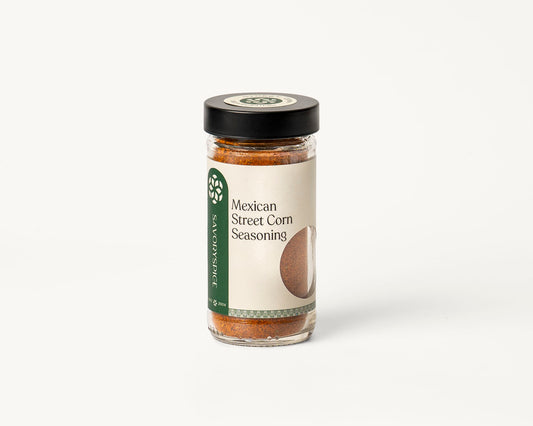
Two things to reach for here. Crushed Urfa Chiles are our pick for fruit above any other chile, smoky and raisin-sweet with a slow, mild heat that tastes almost like dried fruit itself. Hawaiian Red Gold Sea Salt brings earthy minerality and a striking color, and it is the salt in that pineapple glaze. Also worth knowing: Crushed Aleppo Chiles are the brighter, fruitier cousin, and Mexican Street Corn Seasoning is a sneaky-good fruit cup seasoning thanks to its chile-lime-cheese backbone.
Because the effect is bigger on watermelon than on almost any other fruit.
Salt suppresses the faint bitterness in the flesh nearest the rind and makes the sugar read as far more concentrated, which is why the habit turns up on Southern porches and at fruit carts alike. Salted Watermelon is a recipe in only the loosest sense, cut the melon into triangles, sprinkle salt on both sides, eat, but the difference is dramatic. It is the ten-minute trick that turns a cheap melon into the thing people remember from the cookout.
Which salt you choose changes the whole experience. Hawaiian Black Lava Sea Salt is our favorite for looks and crunch, dramatic black crystals against pink flesh with a clean, mineral finish. Ghost Pepper Salt is for the people who want the chile-and-salt combination in one step, and a light hand goes a long way.
To make it more of a real dish, Smoky Watermelon Feta Salad layers cubed watermelon and feta over arugula, then hits it with smoked salt and pepper, balsamic glaze, and fresh mint. Ten minutes, six servings, and the smoke against the sweet melon and salty cheese is what makes it land.
Black Label Smoked Salt & Pepper is what gives that salad its name. Cold-smoked over oak whiskey barrel staves and sweet hickory, it lends fruit a charred, savory depth that tastes like it spent time near a fire.
And if you do want to put melon over flame, Grilled Watermelon Caprese Wedges grills half-inch rounds until they take on grill marks, then cuts them into wedges topped with feta, mint, sea salt, and a pomegranate molasses vinaigrette. Grilling concentrates the sugars and firms the texture into something almost meaty.
Grilled Watermelon “Caprese” Wedges with Pomegranate Molasses Vinaigrette
Berries are sweet-tart already, which means they take beautifully to both savory and dessert treatments. On the savory end, Strawberry Caesar Salad is the one that surprises people: sliced strawberries tossed into romaine with croutons, parmesan, and a garlicky caesar dressing. The berries function like tomatoes would, bright pops of acid and sweetness cutting through a rich dressing.
Strawberry Caesar Salad
Recipe by Miranda Barnett, Savory Spice Test Kitchen
Drizzled with our Plant-Based Caesar Dressing and dotted with homemade Caesar-seasoned croutons, this plant-based Caesar salad gets an extra summery lift with fresh strawberries. Keep it plant-based with your favorite non-dairy parmesan, and add extra protein with breaded and baked tofu.
For the freezer, Salted Strawberry Banana Bark tiles sliced strawberries and bananas into a grid, spreads them with warm peanut butter and melted chocolate, then finishes with flaky salt and freezes into a snappable bark. Ten minutes of work, three hours in the freezer, eight servings of something that tastes far more considered than it is.
Then there is heat. Raspberry Jalapeño Jam simmers fresh raspberries with chopped jalapeños, sugar, lemon juice, and guajillo chile powder for about fifteen minutes into a sweet-hot jam that belongs on a cheese board, a grilled chicken sandwich, or a spoon.
Two products worth having for berries. French Fleur de Sel is the finishing salt for anything sweet, delicate moist flakes that crunch on chocolate, bark, or plain sliced strawberries. Guajillo Chile Powder is the mild, berry-toned chile that makes that jam work, and it is a smart first chile if you want warmth without real heat.
Blueberries are the baking berry, and both of our blueberry recipes lean a bit floral. Lavender Blueberry Waffles work culinary lavender straight into a cornmeal batter for crisp, fragrant waffles dusted with smoked sugar. For something to slice and set out, Lemon Blueberry Coffee Cake folds a cup and a half of fresh blueberries into a yogurt batter under a vanilla sugar crumb, finished with lemon icing.
Our Lavender is genuinely culinary grade, so it perfumes rather than tasting like soap, which is the usual failure mode. Vanilla Bean Sugar is real vanilla bean ground into sugar, and it is the shortcut to a crumb topping that tastes like a bakery made it.
Cherry season is short and worth catching. Cherry Bonfire Bars layer a smoked-sugar shortbread dough with cherry filling and mini marshmallows, bake until the marshmallows go golden, then get a final sprinkle of smoked salt and pepper over the top. Sixteen bars, and the campfire flavor is the whole point.
Fresh Cherry Swap: Pit about 4 cups of fresh sweet cherries (roughly 1½ pounds) and simmer them in a saucepan over medium heat with ⅔ cup sugar, 2 tablespoons cornstarch, 1 tablespoon lemon juice, and a splash of water, stirring, for 8 to 10 minutes until the juices thicken enough to coat a spoon. Let it cool completely before it goes on the dough, or the warm filling will melt the shortbread layer. Sour cherries work too, and are arguably better here: add a few extra tablespoons of sugar to compensate.
How do you turn summer fruit into a drink?
Blending fruit is the fastest way to use a lot of it at once. Aguas Frescas Three Ways is our favorite demonstration of seasoning theory in a glass: mango with Crushed Urfa Chiles, peach with Palisade Peach Spice, and watermelon with Herbes de Provence. Same method every time, blend fruit with water, sugar, and lime, strain, serve over ice, but three completely different drinks depending on which jar you open.
Aguas Frescas Three Ways
Recipe by Miranda Barnett, Savory Spice Test Kitchen
Savor the fruits of summer with this trio of agua fresca recipes, a perfect summer...
The watermelon version of that trio is the one that raises eyebrows, and Herbes de Provence is why it works. The lavender, thyme, and rosemary in the blend give sweet melon a savory, floral backbone that makes a simple drink taste like it came from a bar.
For something with more edge, the Salted Watermelon Slushie blends watermelon and ice with radish, orange, lime, and a spoonful of salt, then serves it in a salt-rimmed glass. It takes a shot of tequila or vodka easily if you want it to.
And for a pitcher to set out, Blackberry Sangria steeps a hibiscus and lavender simple syrup, then combines it with dry white wine, orange liqueur, fresh blackberries, and orange slices. The recipe includes a non-alcoholic version using white grape juice.
What can you do before summer fruit goes out of season?
If you remember one thing, remember the salt.
A flaky salt over cut fruit is the smallest possible effort for the biggest possible change, and it works on nearly everything in the produce aisle right now. Add lime when it needs brightening, a mild chile when it needs waking up, and an herb or a warm spice when you want it to taste composed instead of just fresh.
Then stop saving it. Summer fruit does not keep, and the difference between a peach eaten today and the same peach on Friday is not subtle. Cut into it while it is good, put something on it, and eat it standing over the sink if that is what the moment calls for. The ones that do get away from you become salsa, jam, bark, or a pitcher of something cold, which is its own kind of win.
And when the season finally turns, the jars carry over. Chile Lime is just as good on winter mango and jicama, smoked sugar moves into baking, and Lavender and Herbes de Provence never really go out of season. Use them until they are gone, then refill. Spices are meant to be used up, not saved for a special occasion that never comes.