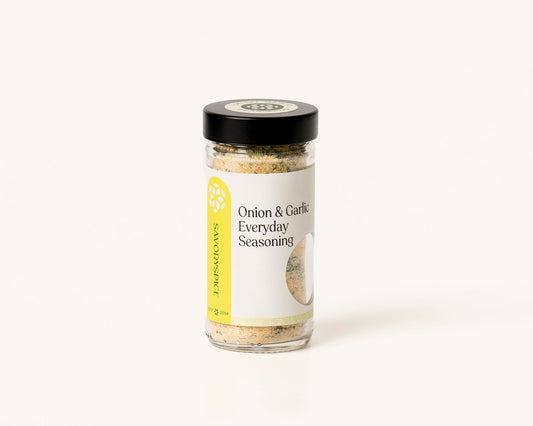
If you're a long-time customer of ours that's been cooking with our spices for quite some time, you might have a favorite blend that is no longer around anymore. Or maybe you just want to start experimenting by mixing up your own seasonings. Well we're here to help, and we've got three easy ways to DIY a seasoning mix, plus a handful of homemade spice blend recipes to get you started.
You probably already have many of the spices commonly found in spice mixes, starting with Salt, Pepper, Onion, Garlic, herbs like Thyme, and of course Paprika.
What do you need to build your own spice blend?
Before you start experimenting, it helps to know the basic building blocks. Most spice blends layer a few types of flavor together:
A base: salt, or a salt-free blend if you're cutting sodium
A heat element: chile powder, cayenne, black pepper
Dried herbs: thyme, oregano, basil, rosemary
Warm or sweet spices: cinnamon, allspice, cloves, nutmeg
Aromatics: garlic, onion
As for tools, most blends only need a bowl, a whisk, and an airtight jar or zip-top bag for storage. The more involved recipes below, where you toast and grind whole spices yourself, also call for a mortar and pestle (an electric coffee grinder works too).
Whole spices you toast and grind yourself will always taste more vibrant than pre-ground, but pre-ground is faster and works perfectly well for most everyday blends. For the full breakdown of when to reach for each, see our Spices 101 guide to whole vs. ground spices.
A quick toast in a dry pan before grinding also wakes up a whole spice's essential oils, which is why a few of the recipes below call for it. Check out our Spices 101: How to Toast Spices for more on why.
Most of the ratios below scale up or down easily–double or halve them as needed. If you're experimenting with your own combination rather than following a recipe, mix a small test batch first. It's much easier to add more of an ingredient than to fix a blend that's already too salty or too spicy.
How do you customize a store-bought spice mix?
The first and easiest way to make a custom seasoning is by starting with a pre-made grocery store-bought spice mix and adding a few ingredients from your spice pantry to make it your own.
Extra Hot Seasonings
We intentionally make most of our spice blendstolerable, with a low or medium heat level. After all, it's much easier to add a little extra heat than it is to make something milder (it can be done, it's just more complicated).
Always keep a jar of Cayenne Chile Powder on hand if you like a little extra spice. Consider these "starting points," and feel free to add more if you want it extra extra hot. For an extra hot Cajun Blackening Seasoning: add extra cayenne pepper and a touch of hot New Mexican chiles, like in the blend recipe below.
And to make your Jamaican Jerk Seasoning extra spicy,adding habanero powder brings the Caribbean heat this jerk seasoning is known for up several more notches.
How do you make a spice blend completely from scratch?
Our labels aren't just beautifully designed, they're also helpful. Have you noticed the side panels? You'll find a description of the flavor profile, cooking uses, and (on many spices) a recipe for a unique seasoning that you can make yourself.
You'll need a bowl and a whisk to mix thoroughly, then store in a sealed mason jar, old spice jar, or a zip-top bag. Here are some tasty examples to start you off on your DIY spice blend journey, starting with the simplest dry blends and building up to more involved techniques.
Homemade Roasted Garlic Pepper Seasoning
Roasting garlic gives an incomparable depth of flavor. Pairing it with the King of Spices, black pepper, and a dash of herby chives and parsley makes an addictive all-purpose seasoning that will earn a prized spot in your spice cabinet.
For the next two mixes, you'll need to crack the fennel seeds in a mortar and pestle, then combine all ingredients by thoroughly whisking in a bowl. No mortar and pestle? Put the whole spices in a plastic baggie and hammer with a meat tenderizer or the bottom of a heavy mug or bowl.
DIY Paprika & Herb Spice Mix
This paprika-forward blend has vibrant color and elegant but approachable flavor for poultry, veggies, and eggs. Notes of fennel and lavender lend it a Provençal taste, perfect for an elevated weeknight meal or special occasion.
Our Greek seasonings like Mt. Olympus Greek Seasoning are phenomenal. But it's always possible there's a particular ingredient you're not fond of, or one you wish there was more of. Since you're making it at home, feel free to adjust the recipe to taste.
Now we're moving to the most complex approach to DIY rubs and seasonings — toasting the whole spices before grinding them yourself. Like the previous recipes, you'll want a mortar and pestle (an electric coffee grinder also works). Toasting whole spices then grinding them creates unbeatable fresh flavor. Consider this DIY Pork Butt BBQ Rub for your next tailgate, and watch how impressed your friends are when you tell them you made it yourself.
Over moderate heat, toast the mustard seeds, coriander seeds, cumin seeds, and fennel seeds until aromatic, stirring constantly (2-4 min.). Then, using a mortar and pestle, grind to a fine powder and mix with the remaining ingredients in a bowl using a whisk.
Apple Cider Spiced Sugar
And if you want something sweet to finish off your spice blend lineup, what's better than a warm cup of spiced cider when autumn hits? Add that sweet, nostalgic flavor to everything from cookies and tea to fresh fruit and oatmeal all year round with this easy homemade Apple Cider Spiced Sugar.
How can I make my own brining and pickling spices?
Not every homemade blend is a dry rub. If you're looking for a classic flavor profile for your brine, we've got you covered with our Brining Spice, a great all-purpose blend for turkey, chicken, pork, or shrimp. But if you want to branch out, you can easily take your brine, or your next batch of pickles, in a different direction by building your own liquid-based brining spice mix.
This recipe yields about 2 Tbsp. of Sweet & Spicy Brining Spice to flavor up to 2 quarts of brine. Place all ingredients in a small sauté pan and toast over medium heat until aromatic, 3-4 min., stirring constantly. Add toasted spices to 1½ cups (of your 2 quarts) of liquid, along with ½ cup salt and ¼ cup sugar. Bring to a boil for 1-2 min., then let boiled spiced brine cool completely before adding it back to the remaining brining liquid.
This recipe yields about 2 Tbsp. of Tangy Brining Spice to flavor up to 2 quarts of brine. Toast all ingredients except the sumac and bay leaves in a small sauté pan over medium heat until aromatic, 3-4 min., stirring constantly. Add toasted spice to 1½ cups (of your 2 quarts) of brining liquid, along with ½ cup salt (try our Makrut Lime Sea Salt for extra tang) and ¼ cup sugar. Add sumac and bay leaves to seasoned brining liquid and bring to a boil for 1-2 min. Let the boiled spiced brine cool completely before adding it back to the remaining brining liquid.
Pickling is also another great place to put a homemade liquid-based blend to work. If you want to take your pickled vegetables (or other pickled goods) in a bit of a different flavor direction, check out our DIY Pickling Spice Mixrecipe for another easy, customizable starting point.
Pickling Spice Mix
Recipe by Savory Spice Test Kitchen
Making your own pickling spice blend at home is pretty easy if you want to experiment with taking your pickled goods...
From time to time, we have to retire a particular seasoning or spice blend. Sometimes due to sourcing issues, sometimes just to make way for something new. But we know there are people out there who love and miss these spices. Just make sure you're keeping an eye on our new Savory Reserveprogram. Every so often, we bring a favorite retired blend back for a limited small-batch run. Other times, it might be a totally new flavor our Test Kitchen has been experimenting with.
Each release is produced once, given its own release number, and retires again once it sells out. So if a blend you love shows up there, it's worth grabbing before it's gone.
Spiced Brown Sugar Honey Ham Rub was our Savory Reserve Release 01: A sweet and peppery seasoning, originally known as "Brown Sugar and Spice Honey Ham Rub," was a customer favorite that we'd retired, until it became the very first release in our Savory Reserve program earlier this year, brought back for a limited small batch just in time for holiday hams on Easter. Since the batch has sold out, the blend has retired again. But it may return again one day. It's a good example of what makes Savory Reserve worth following: you never know when an old favorite might make a comeback for a limited run.
In the meantime, our Test Kitchen has recreated some of your favorite, classic Savory Spice blends that have been discontinued, and we now have recipes for you to make these favorites at home.
Ghost pepper is all about the heat, and we know it's too hot for some people to enjoy. But this seasoning isn't just about the heat. The other ingredients in our former Ghost Pepper Curry Powder Spice Blendcontribute sweetness and licorice, floral, and citrus notes that add complexity and dimension. For a curry paste, mix equal parts spice, water, and oil. Add 1-2 Tbsp. paste to 1 cup coconut milk, yogurt, or water to make a sauce. Double the spice for an extra hot version.
We think our blend of Celery Saltis great, but if you're looking for a more herb-forward version that packs a little extra punch, whip up this recipe that's close to our retired best-seller Cambridge Celery Seasoning Spice Blend. Formerly also known as "Cambridgeshire Celery Seasoning," we think it's perfect for tomato juice or Bloody Marys. It's also excellent on hamburgers, steaks, and pork chops. Use it as your secret ingredient for coleslaw, or add 1 Tbsp. to sour cream for a zesty veggie dip.
The great thing about many spices is that they can replicate the flavor of Italian sausage, even in vegetarian recipes. You don't have to use meat to get the distinctive salty-sweet, fennel flavor that Italian sausage imparts, although our former favorite South Fork Italian Sausage Spice Blendis also great for making your own Italian sausage. Try adding 1 Tbsp. per pound of ground pork, chicken, or turkey to make patties or links; it's also great for meatballs or adding flavor to tomato-based sauces. For a spicier sausage, add ¼-½ tsp. of crushed red pepper per pound of meat.
Similar to its sister seasoning above, this homemade blend gives you a specific "meaty" flavor without actually using meat. It might be surprising, butPoultry Seasoning is the secret ingredient that gives this herby blend its flavor. Use it to make your own breakfast sausage. Just add 1 Tbsp. of this recipe for Frying Pan Pork Sausage Spice Blend per pound of meat, then make patties or links. For a leaner version, use ground turkey or chicken; for a vegetarian option, try it with TVP or seitan.
Inspired by the flavors and ingredients common in the Pacific Northwest, this next DIY spice rub is fantastic on game meat. Oregon Trail Juniper Berry Spice Blend can also be used to flavor sausage. Mix 3 Tbsp. with 1 lb. ground pork, 1 Tbsp. Rubbed Sage, 1 tsp. salt, and 1 Tbsp. vegetable oil. It's also great on steaks, pork, and chicken.
This paprika-based seasoning can be used on just about everything. Try adding former classic Table Mt. All-Purpose Seasoning Spice Blendto mashed potatoes, or toss quartered red potatoes in olive oil and this spice mix before roasting on high heat. It also works great on chicken, fish, and pork, and stands up well in stews, soups, and roasts. Formerly known as "Table Mountain," it's also great in hamburgers. Simply sprinkle or rub on before grilling, roasting, or pan-frying.
Once you've mixed up a batch, keep it in a sealed jar or zip-top bag somewhere cool, dark, and dry — a cabinet away from the stove or oven works better than a spot right next to it. Whole spices you toast and grind yourself, like in the Pork Butt BBQ Rub above, will taste freshest within a few months.
Hi Scott, Old Market All-Purpose Seasoning was exclusive to our Omaha location. Please reach out to them for the recipe!
Savory Spice26/07/2024
Hi Janel, Yam Good was an exclusive from our Raleigh location. Please reach out to them for the recipe!
Savory Spice26/07/2024
Thank You For Sharing some of the discontinued spice blends. Could you share the recipe for “Old Market All-Purpose Seasoning” blend please.
Scott I Sparks26/07/2024
Hi Isabelle,
Renaissance Gardens was made up of the following ingredients:
Red bell pepper, toasted onion, tomato powder, shallots, celery flakes, minced green onion, black pepper, spinach flakes, lemon peel, crushed brown mustard, parsley, arrowroot, savory, and cilantro.
Savory Spice12/06/2024
Hi Jane,
The retired Mt. Massive Steak Seasoning is made up of the following: Honey powder, smoked Spanish hot paprika, garlic, guajillo chiles, onion, salt, black pepper, regular mustard powder, and Mediterranean thyme.
Savory Spice12/06/2024
Can you please share the recipe for the Mount Massive Steak Seasoning that is now discontinued?! It was your best blend and I miss it!
Jane12/06/2024
Would you please share the recipe for Yam Good? Or please share a similar spice.
Janel26/07/2024
I still miss Renaissance Gardens! It was a delicious, salt- and garlic-free way of easily adding oodles of flavor to just about everything. Please, please share the recipe (or a close relative, if some specifics need to remain proprietary)!
Isabelle12/06/2024
Hi Barbara – While we aren’t able to share the exact recipe for our Pickling Spice, we suggest using this one as a homemade alternative: https://www.savoryspiceshop.com/products/mustard-pickling-spice
Savory Spice29/01/2024
Hi Martha – What you want is our Country Onion Herb Veggie Shaker. It’s very similar to County Clare Seasoning Salt and we think you’ll love it!
Savory Spice26/01/2024
Leave a comment
Join our community
Join our email list and Loyalty Club to earn points and save 10% on your first order!