
5-Hour Burnt Ends
Recipe by Mike Johnston, Savory Spice founder
 Grilling & BBQ
 Braising & Slow Cooking
You can make incredible burnt ends in roughly a third of the time it takes to smoke a whole brisket using this method. Depending on whether you use just the point, trimmed edges, or larger portions of the brisket, this method typically yields about 3 to 6 lbs. of cubed meat for burnt ends.
Read our Co-Founder, Mike Johnston's, expert advice on The Art of Smoked Brisket.
Serves
8 to 10 servings
Prep Time
20 minutes
Cooking Time
5 hours

Ingredients
Directions
Step 1
About 45 to 60 minutes before you’re ready to prep the brisket, take it out of the fridge and let it begin coming toward room temperature.
Step 2
Meanwhile, prepare the smoker: Clean the grates, start the fire with your wood of choice, and bring the smoker temperature to between 225 and 300 degrees.
Step 3
While the smoker heats, prep the burnt ends: Cut the brisket into roughly 1½-inch cubes. The point, aka the fatty side of the brisket, is the best part to use for tender burnt ends. However, you can use the flat, aka the lean side, too. Just keep in mind that the lean side dries out more quickly because it lacks the heavy intramuscular marbling of the point. To yield a lot of burnt ends, simply trim the outer 1 inch or so of the entire brisket and cut it into 1-inch cubes.
Step 4
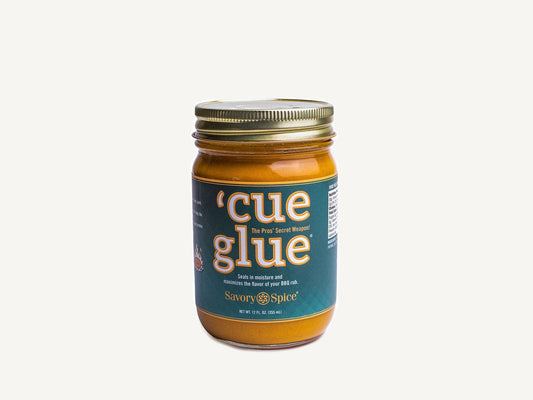
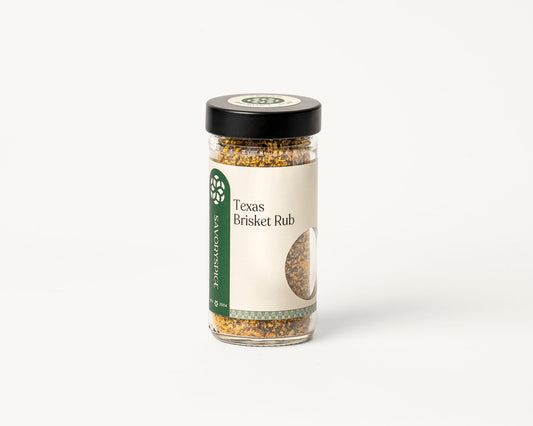
Toss the brisket cubes with ‘Cue Glue, if using. Add a generous amount of Texas Brisket Rub and toss again. Repeat until all sides of the cubes are fully coated with seasoning.
Step 5
Place the seasoned brisket cubes directly on the smoker grates, making sure the cubes are not touching so bark can form on all sides.
Step 6
Smoke the brisket cubes, untouched, until they reach an internal temperature of 165°F. This should take about 90 minutes or so. By then, the cubes should have developed a firm, mahogany-colored bark.
Step 7
Using tongs, transfer the burnt ends to 9" x 13" aluminum pans that are at least 2 inches deep.
Step 8
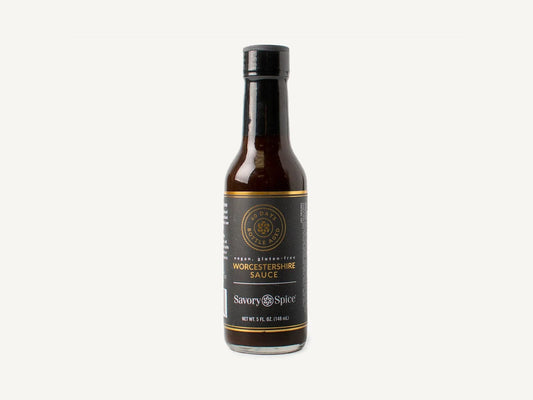
Add the braising liquid to each pan: equal parts beer of choice and Worcestershire sauce. You’re looking for about ¼ inch of liquid in the bottom of the pan. The burnt ends should braise, not swim. If you used the lean side of the brisket for some or all of your cubes, add about ¼ cup melted beef tallow to the pan. This helps slow moisture loss and mimics some of the richness normally provided by the point’s marbling.
Step 9
Remove the burnt ends from the smoker. If you prefer your burnt ends without sauce, let them rest for 10 to 15 minutes and serve hot. For caramelized burnt ends, transfer the cubes to a stainless-steel bowl and toss with ¼ to ½ cup of your favorite barbecue sauce along with a few tablespoons of the braising liquid. (Our Black Dust Barbecue Sauce is fantastic for this.) Using tongs, place the sauced burnt ends back onto the smoker grates and cook for an additional 10 to 15 minutes until the sauce caramelizes and tightens around the cubes.
Step 10
Remove from the smoker and let rest for 10 to 15 minutes before serving.
Recipe Notes
Ask your butcher for a “packer cut” brisket, which includes both the lean flat and the fattier point. Grocery store briskets are often smaller and may only include the flat. Look for “choice” grade beef or better with about a 1/4-inch fat cap. If needed, trim excess fat down to roughly 1/4 inch thickness.
Our ‘Cue Glue helps seasoning adhere to the meat while promoting a flavorful, tender bark. This recipe requires a smoker and a thermometer capable of monitoring both smoker and meat temperatures. We use a Maverick wireless thermometer.




Leave a comment
Join us at the table
Taste, share, and savor—join us for 10% off your first order, loyalty rewards, and endless flavor inspiration.